Why does Tracy — a citizen asked earlier this year of the Manteca City Council —have 109 police officers and Manteca 83 when both cities are close to being the same size?
The answer is simple: Online sales tax.
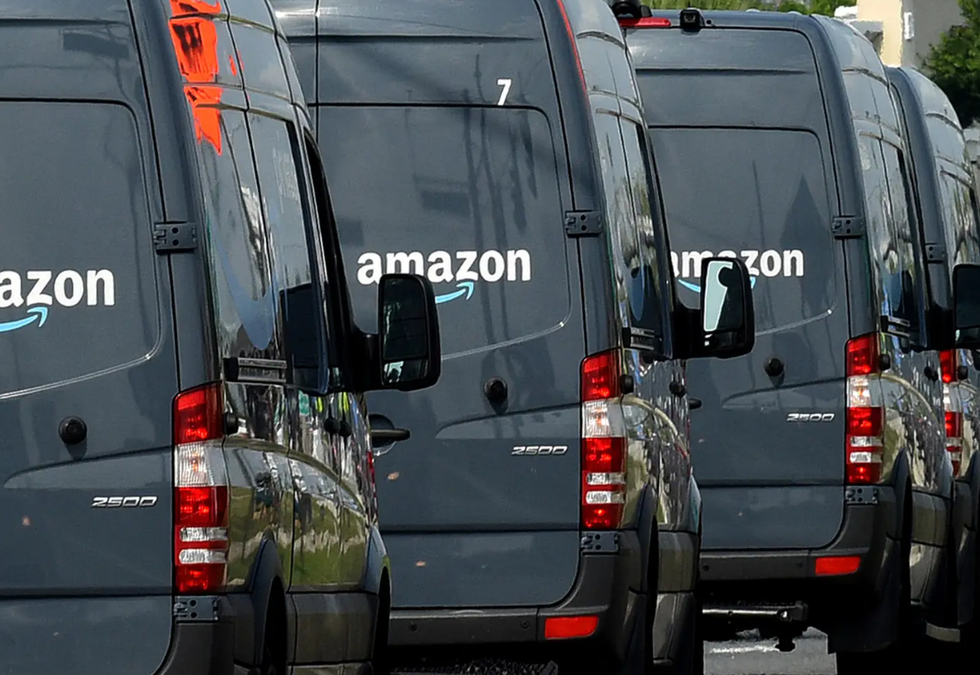
And it is money that the citizen asking the question is paying if they purchase anything online that originates from one of Tracy’s five Amazon centers and those located in that city operated by other Internet related concerns.
Tracy with 99,540 residents collected $82.5 million in basic local sales tax last year. Manteca with 95,000 residents took in almost $19 million from the city’s one cent share of every 7.25 cents sales tax the state collects.
As much of $60 million of the sales tax Tracy uses to pay for police, firefighters, road upkeep and such comes from online purchases from those residing in other jurisdictions.
It is the direct result of roughly 20 percent of all retail sales now taking place online.
And that is why the Manteca City Council when they meet tonight at 6 p.m. may support a move to require sales tax revenue from e-commerce transactions to have the local one cent of the 7.25 cents per dollar the state collects be divided in half with:
*50 percent going to the jurisdiction where the point-of-sale takes place (warehouse/fulfilment center).
*50 percent going to the jurisdiction where items are shipped to.
Such an arrangement, based on current sales tax collections, could potentially add up to an additional $2 million a year for Manteca.
That is after factoring in losses for Manteca for its Amazon fulfillment center on Louise Avenue dedicated to same day delivery.
The 746,900 square-foot Amazon center on Airport Way in north Manteca is primarily a warehouse for frozen food that is not subject to sales tax.
Councilman Mike Morowit noted the taxation system in place has created a drain on Manteca sales tax, one of two major sources the state created for income that local jurisdictions use to fund the majority of their day-to-day services. The other major source is property tax.
The split, as proposed, would provide funding still to cities with fulfillment centers that are projected to be more than what is needed to cover distribution center impacts such as street wear and tear.
It also would have a five year phase in to cushion — and adjust to — the impact of a jurisdiction such as Tracy losing a part of their online sales.
Tracy has gone on record protesting the proposed online sales tax split as it would cost them more than $30 million annually. Given the proposal calls for a 50-50 split, upwards of $60 million a year is being poured into Tracy city coffers from retail shipments to consumers in other cities.
Patterson, that has one large Amazon fulfillment center compared to the five that Tracy has that also includes “The Big Bird”, also would like take a big hit under the proposal.
“The Big Bird” is the 100-foot tall building on Grantline Road in Tracy with 3.5 million square feet of floor space and relies heavily on robotics is one of the busiest Amazon distribution centers in the world.
State sales tax is collected at the point of sale with one cent of the 7.25 cents per taxable sales diverted to the jurisdiction where the purchase is made.
The one exception are car sales. The “local” one cent on every dollar taxes goes to the jurisdiction where vehicle’s owner resides.
Unlike shopping at a brick and mortar store in Manteca where the local potion of the sales tax actually stays local, when someone living in Manteca shops on line, the local share of the sales tax they pay that was put in place originally to help pay for local services the tax goes instead to where the fulfillment or distribution center is located that ships the order.
Of 483 cities that the League of California Cities studied if the split where implemented:
*255 cities would gain revenue.
*105 cities would lose revenue.
*123 cities would likely be revenue neutral to minimal changes.
“This is a good start,” noted Councilman Charlie Halford of the proposal.
Halford pointed out nearly two decades ago in the fledging days of Internet sales that no one that drafted tax collection regulations had an inkling of where online sales would go.
The councilman noted the add-on local sales taxes voters approved — half cent for the Measure M public safety tax passed in 2006 and the three-quarter— are still collected and sent to Manteca when online orders are delivered to a Manteca address from a center in an outside jurisdiction.
“It’s not good public policy,” Halford said of the current online sales tax system that is diverting a local revenue source that Sacramento designed to help fund local services that residents need but instead is being sent to another city.
In cities like Ripon, with primarily only mom and pop home businesses that have Internet sales, are especially hard hit. The Amazon fulfilment center on Louise Avenue somewhat cushions the impact on Manteca but not nearly enough to counter the $2 million annual drain.
To contact Dennis Wyatt, email dwyatt@mantecabulletin.com