Policy wonks have devised an update to Manteca’s state mandated climate action plan.
The goal is to reduce the 1990 citywide greenhouse gas emissions by 40 percent in 2035 and have Manteca become “carbon neutral’ by 2040.
The updated plan — now available on the city’s website on the development services pages — offers ways of doing that in general objective statements.
It has to be adopted by the Manteca City Council to become municipal climate policy.
Generally, the goals and actions mirror what the state says it suggests communities to do although in many cases they essentially mandate it allowing local governments little or no choice.
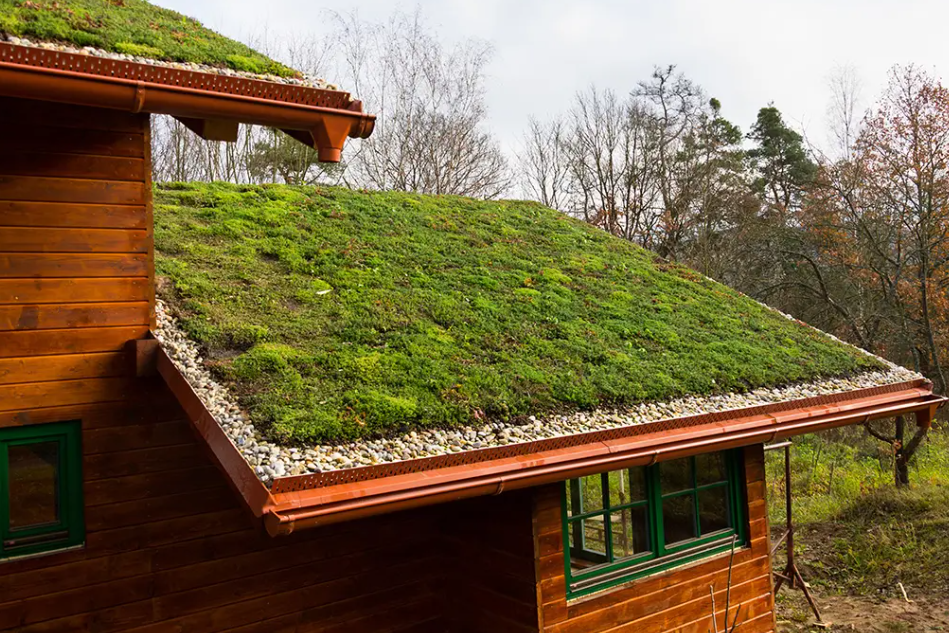
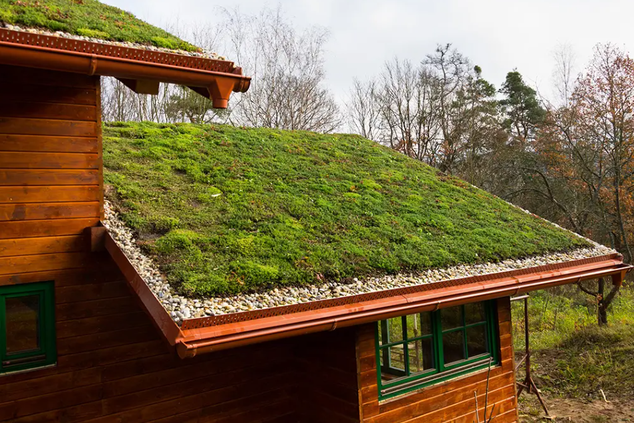
Some suggested actions such as encouraging building designs with green roofs likely aren’t practical in Manteca for several reasons.
A green roof is a roof of a building that is partially or completely covered with vegetation and a growing medium, planted over a waterproofing membrane.
It may also include additional layers such as a root barrier and drainage and irrigation systems.
The expense would counter efforts to reduce costs to make housing construction affordable.
While it may reduce energy needed to cool or even warm homes, the need to water roofs — especially of there is large number of them in Manteca — may become problematic during sustained droughts that are the norm for the Northern San Joaquin Valley.
And that is on top of blistering summer highs often exceeding 100 degrees with stretches of no rain for two to three months being common.
Other suggested ways to reduce greenhouse gas emissions in Manteca include:
*reducing parking stalls in high trafficked areas to make it less easy to park. That is supposed to get people to use other forms of transportation such as taking the bus, bicycles, e-bikes, or walking to shop and such.
*creating a strategy to eliminate four-way stops and have protected left turn pockets to reduce vehicle stop and go movements and idling that generates greenhouse gasses.
*synchronize traffic signals citywide (which the city is in the process of doing.)
*having all future interchanges — or widening of existing ones — to be diverging diamonds such as the one at Union Road and the 120 Bypass to keep traffic flowing.
*develop incentives for purchasing and using electric vehicles.
*reduce or eliminate minimum parking standards in new developments.
*the city needs to move away, where ever possible, from fossil fueled vehicles in the municipal fleet. The target is to have 60 percent of all city vehicles zero emission by 2030 and 100 percent by 2040.
*require the actual installation — and not just the infrastructure — for vehicle charging all new and existing commercial development.
*having minimum EV chargers in residential developments and requiring new loading docks also to be equipped with them to charge electric trucks.
*encouraging the use of zero emission commercial landscaping equipment.
*create safe routes to school by making it safer for students to walk instead of being dropped off and picked up by parents.
*making walking and bicycling safer by going on a “road diet” by creating narrower pedestrian crossings and installing more bicycle lanes.
*create more walkable neighborhoods.
*enlarging the urban forest with trees with large shade canopies in both existing areas and in new development.
*establish minimum requirement for solar panels for all development.
*encourage the use of solar water heaters for homes, structures, and swimming pools.
*create community micro-grids for energy reliability.
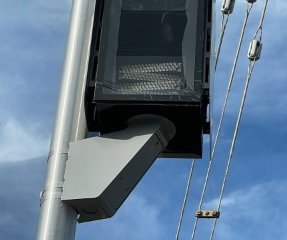
*go to LED lighting for streetlights and such.
*step up water conservation.
*find a way to power the wastewater treatment plant without using electricity produced from fossil fuels.
*expand municipal recycling.
The climate update placed the overall greenhouse gas emissions in 2020 at 730,202 metric tons of carbon dioxide.
The largest source, or 72 percent, is from vehicles and other transportation.
Residential energy accounts for 9 percent, the solid waste treatment process 8 percent, the water system (pumps etc.) 6 percent, and commercial uses 5 percent.
To contact Dennis Wyatt, email dwyatt@mantecabulletin.com
.