Sonny Dhaliwal brings a different perspective to the San Joaquin County Board of Supervisors.
Dhaliwal, who was elevated board chair in January by his colleagues, was the first ever Punjabi American elected to the board in the county’s 175 years.
While that is a first, it’s not the “first.”
Dhaliwal is the first “super commuter” to serve on the Board of Supervisors.
Or, more accurately, was a super commuter as defined by someone who spends at least 90 minutes one-way every day chasing a paycheck.
Before he retired, Dhaliwal was commuting 3.5 hours every day to work in San Jose from Lathrop.
“Every day I was on the road for 3.5 hours,” Dhaliwal said. “My wife still does the commute.”
Why that matters is simple.
San Joaquin County is the heart of the second largest super commuter region in the United States in terms of sheer numbers.
It aces out three more high profile California areas — Los Angeles, San Bernardino-Riverside, and San Francisco — on the super commuter list.
It is only second to New York-New Jersey.
The toll such a commute grind has on a large number of San Joaquin County residents isn’t lost on Dhaliwal. Nor is what that does to the quality of life of families.
It is why one of his main missions as supervisor is to continue the county’s two-prong push to tackle the super commuter dilemma.
*Ease the brutality of the actual commute itself.
*Create more head-of-house job opportunities in San Joaquin County.
Not that Dhaliwal needed to be reminded, but during a recent tour of one of nine Tesla facilities in Lathrop — this one connected with the battery megapack that provides 2,250 local jobs— a woman worker shared how fortunate she was to get a job near her home that could support her family without having to drive over the Altamont Pass.
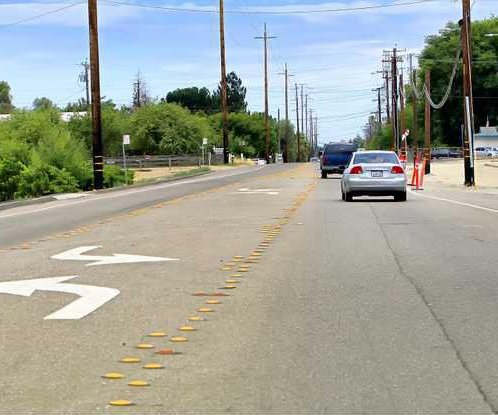
"You can’t pave your way out of congestion,” Dhaliwal said.
It is why Dhaliwal, back in 2010 when he was on the Lathrop City Council, made it a point to serve as the city’s representative on the San Joaquin Rail Commission.
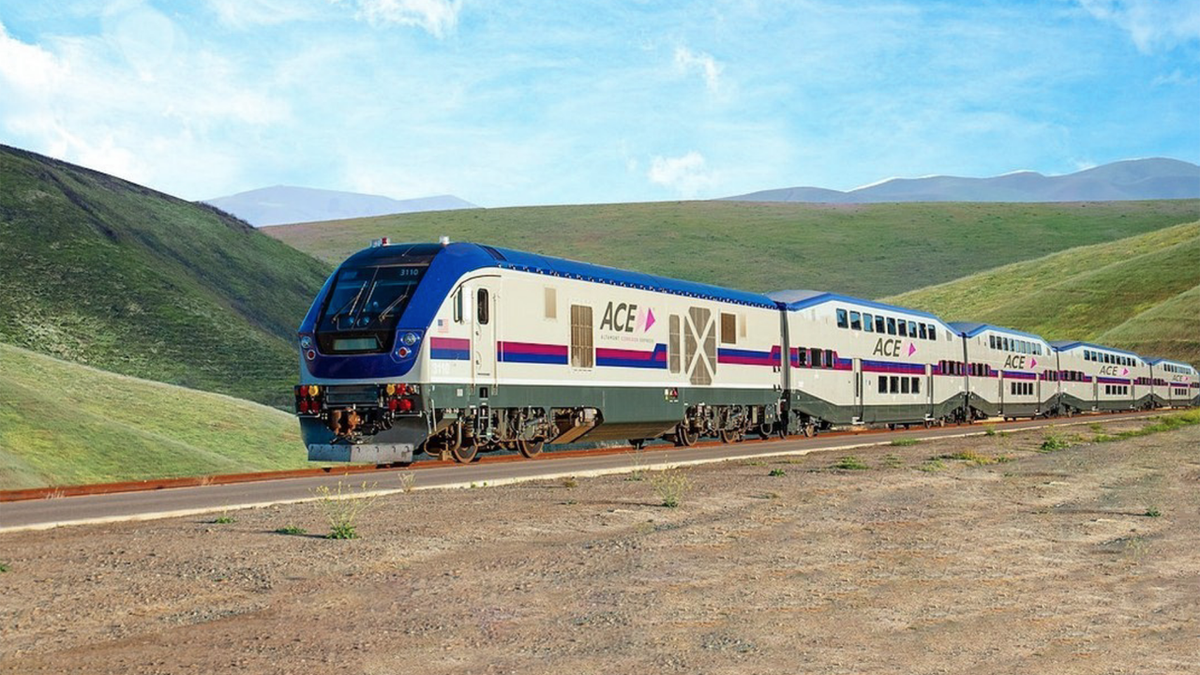
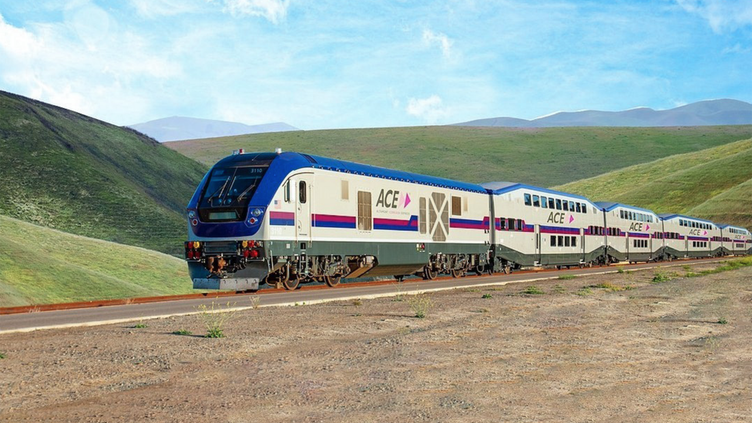
The commission oversees the Altamont Corridor Express.
Dhaliwal is also on the San Joaquin Council of Governments as the county’s representative.
SJCOG is in charge of the countywide effort to improve the road and transit systems.
In the next two years — after encountering delays that caused the effort to miss to the 2025 target date established by the legislature in 2017 as part of the gas tax increase — ACE trains will go north to Sacramento and south to Ceres.
That will build upon — and connect to — the Stockton to San Jose ACE commuter service that started on Oct. 19 1998.
Add to that Valley Link that could start initially running from the Pleasanton/Livermore BART station to Mountain House, and San Joaquin County will have made significant strides toward addressing freeway congestion and making the life of super commuters less stressful.
And that goes beyond shaving time off the commute.
Those traveling by rail gain more than just not focusing on brake lights for three hours plus each day.
ACE commuters catch up on sleep, get ahead of work tasks, read, or simply relax and chat with other commuters.
They end up being able to spend more quality time with their families and reduce the stress in their lives.
Dhaliwal is convinced the county is on the right track.
That said, he’s frustrated things aren’t moving faster.
And he wants to do whatever he can as supervisor to speed up the projects that will ease the sting commuting has on San Joaquin County residents.
He also is confident San Joaquin County has a unique opportunity to capitalize on the potential rail is creating including making Lathrop the hub of Northern California’s rail hub as the transfer point between Valley Link, ACE Sacramento to Ceres, and ACE Stockton to San Jose.
And in the next decade or so, it will include ACE Forward that will connect high speed rail in Merced to San Jose until such time high speed rail extends from Merced to San Francisco via Pacheco Pass.
The opportunity?
The potential for three bonafide transit villages in San Joaquin County.
*The Mountain House Valley Link station that will be built.
*The River Islands location for the future extension of Valley Link where the 15,001 home planned community is located adjacent to business park site.
*Downtown Manteca where ACE service will start in 2027 at a passenger platform being built on Moffat Boulevard across from Manteca High and adjacent to the Manteca Transit station.
As such, all three combined make it possible for as many as 10,000 San Joaquin County residents — thanks to new state laws that provide for higher density incentives within a half mile of transit stations — within easy walking distance of boarding commuter trains.
To contact Dennis Wyatt, email dwyatt@mantecabulletin.com