HOPE Family Shelters in 2025 managed to help place 72 percent of the families they assisted into housing.
They did so my equipping them with money managing skills, addressing underlying issues such as emotional health, and — if parents weren’t employed — providing them with skills to help land a job.
“That is unheard of,” HOPE Family Shelters CEO Cecily Ballungay told Manteca Rotarians on Thursday.
The 32 year-old non-profit founded by the Manteca Ministerial Association can even boast of a single mom with a young boy going from being homeless to homeowner after spending two years in the program’s transitional housing while “saving every cent she could.”
Other homeless shelters typically have housing placement success rates of between 9 and 15 percent.
That’s because they are low barriers shelters meaning they accept even those that have addictions and are still using.
The federal Housing and Urban Development — by far the biggest source of funds to support local homeless shelters — will only fund low barrier shelters.
HOPE is considered a high barrier shelter because if a parent is addicted, they have to test clean for three days before being accepted into the shelter.
Ballungay said “we walk alongside them as they deal with their addiction”, but if they relapse, they are booted out along with their families.
They are given second chances and end up having some of the more successful outcomes.
Ballungay has noted the fact their family lost shelter because of their addiction makes parents realize the price their drug usage is having on their children.
Because they can’t secure HUD funds, more than 95 percent of the $450,000 annual HOPE budget comes from private sector grants and fundraising such as this Saturday’s Bingo Breakfast at the Thomas Toy Center.
The high barrier shelters also must generate greater numbers of clients served to keep securing federal funds. That dilutes the effectiveness of shelters at being able to turn lives around.
Ballungay said HOPE doesn’t want to exposure children to addicts. While their parents may not be using, there is an absolute certainty in a low-barrier shelter that adults in other families are.
The high placement rate just didn’t happen.
“We were seeing people coming back and it was driving me nuts,” said Ballungay who has overseen HOPE Shelters for 12 years. “After two years, I decided we had to do something about it.’
A decade ago, Project HOPE was launched.
It includes having a therapist work with families and to be assigned case workers.
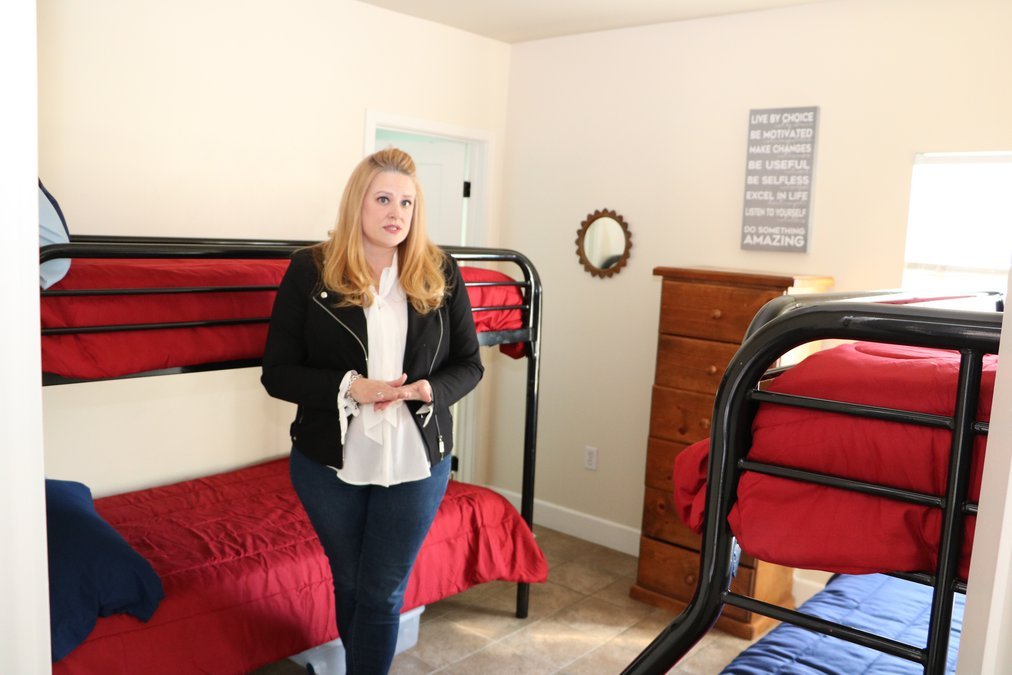
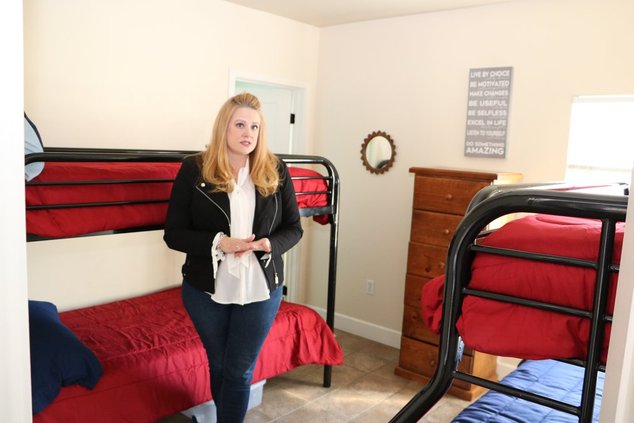
Raymus Homes and Kaiser Foundation helped underwrite the cost of a building at the Union Road shelter for single mothers that provided space for additional programs.
Partnerships with a list of organizations from Second Harvest, Manteca Unified, and Sutter Health to Child Protection Services, and many more has reduced the number of repeat families down to three of the 85 served every year.
That translates into more than 270 individuals with 60 percent of them children.
Families stay between 90 and 120 days.
Six families can stay up to two years in transitional housing, which is what the single mom that went from being homeless to a homeowner did.
Ballungay, who has a degree in psychology and worked with United Way of Stanislaus County before joining HOPE Family Shelters, was in a situation similar to what some single mother clients are facing.
When she was younger and with younger children, she left a situation that was less than stellar with her husband at the time.
“Their worries are very real for me,” Ballungay said.
Upcoming fundraisers
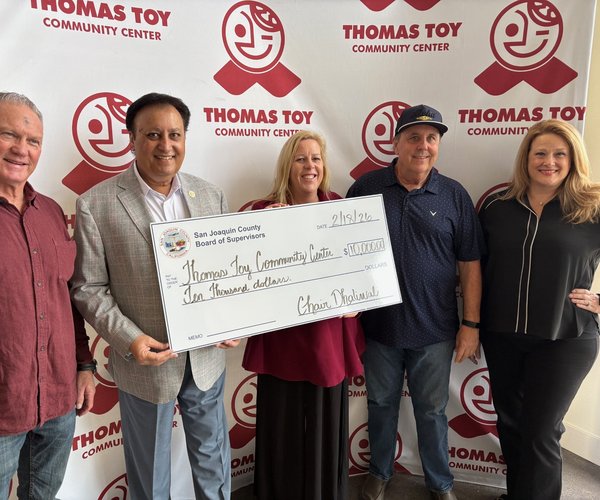
This Saturday, March 7, is Breakfast with Bingo at the Thomas Toy Center, 602 E. Yosemite.
Tickets are $40 and includes a Chick-fil-A breakfast and bingo games. Doors open at 8:30 a.m., breakfast is served at 9:30 a.m., and bingo starts at 10:30 a.m.
Saturday is when the winning ticket for the opportunity to name a future street in Manteca will be drawn. Fifty-four of the 100 tickets that are $100 each have been sold.
To contact Dennis Wyatt, email dwyatt@mantecabulletin.com