California in September of 2013 was in the initial throes of an exceptional drought that started in 2011 and ended in 2016
Saving water was a daily topic.
Yet when the month ended, Manteca had consumed a record 531 million gallons of water.
That translated into a per capita daily use of 178.6 gallons based on a population of 71,900.
Fast forward 12 years and add an additional 23,100 residents.
Manteca last month used 509 million gallons.
Using a per capita breakdown with 95,000 residents that was 178.69 gallons per resident.
Water use per capita has dropped by 27.3 percent.
Keep in mind the per capita numbers also include non-residential use with the city itself being the largest user.
By the time 2014 rolled around, a number of city efforts to reduce water use implemented in the prior decade started to take hold.
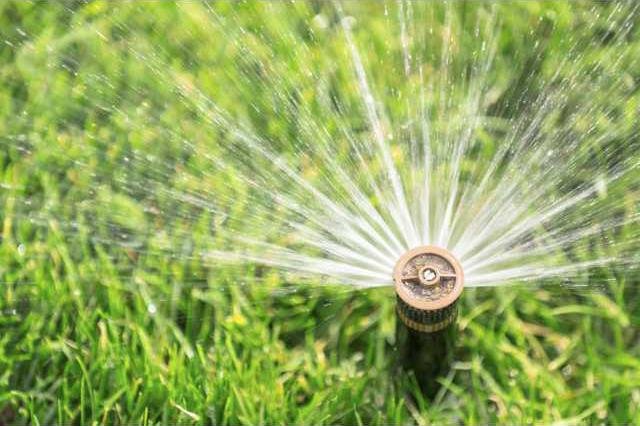
One of the biggest efforts was to reduce potable water use for grass.
It was a big target given, at the time, outdoor water use accounted for what was estimated at the time as 55 percent of the city’s water use,
Some shallow wells dedicated to using non-potable water to irrigate parks had been coming online.
The city limited the percentage of front yards of new homes that could be planted in grass.
Manteca hired a “water cop” that drove the city looking for water flowing down gutters and then pinpointed the source.
Today, there are 80 parks and dozens upon dozens of landscape maintenance districts that are being irrigated in a manner that is mindful of maximizing water that is used
Even though the city has made significant progress, it is still not enough for California that historically deals with long dry periods but between the 1860s and 1960s dealt with an abnormally wet period that coincided with the state’s most substantial periods of growth.
It is why the state has mandated by 2040 that cities and other users of ground water cannot pump more from a basin than is replenished in a given weather year.
That impacts Manteca that uses both ground and surface water from the South San Joaquin Irrigation District. Last month, 46.36 percent of water that was used was from underground sources.
Two tools that the California Legislature made law in recent years are expected to help reach the 2040 goal.
Water rates, such as the ones Manteca updated last year, have to have incentives built into tiers tied to usage that increase to a sizeable degree with the more water a customer uses.
Also, starting in 2027, municipalities as well as commercial areas, and other government agencies that have ornamental grass areas must start converting them to more drought resistant landscaping.
Examples of that would be the grass areas at the Manteca Civic Center, the lawn in front of the Powers Avenue fire station, and similar areas.
The city’s replacement of grass area along Poplar Avenue next to the Center Street tennis court is an example of one way cities can eliminate ornamental grass.
How the city reduced
its 2013 water use
By the time 2014 rolled around, a number of city efforts to reduce water use implemented in the prior decade started to take hold.
One of the biggest efforts was to reduce potable water use for grass.
It was a big target given, at the time, outdoor water use accounted for what was estimated at the time as 55 percent of the city’s water use,
Some shallow wells dedicated to using non-potable water to irrigate parks had been coming online.
The city limited the percentage of front yards of new homes that could be planted in grass.
Manteca hired a “water cop” that drove the city looking for water flowing down gutters and then pinpointed the source.
After doing so, homeowners and commercial property owners were advised to comply,
Most did. Those that didn’t started getting slapped with citations. The more citations issued at an address the higher the fine
Going back a decade or so if it rained people would still water lawns despite there being no need to do so.
The water cop, at the time, addressed that as well as part of a community wide water conservation education campaign.
As Manteca adds home, they all must have the newest devices aimed at more miserly water use from low-flow shower heads to low-flush toilets.
At the same time washing machines have become more efficient and a number of existing homes have been retrofitted with water saving fixtures.
The city’s requirement for front yards of new homes to be limited to a maximum allowable percentage that can be planted in grass helped reduce the growth of water use.
The city’s turf program has helped reduce water in existing commercial and residential.
The Manteca turf replacement program dubbed “Lawn to Garden” pays an incentive of $1 per square foot — up to $650 — when a grass lawn is replaced with water-efficient landscaping suited to the area’s semi-arid climate.
The need to replace lawns and other areas covered with grass that are not native to California is simple. In order to stay green such grass consumes an inordinate amount of water.
For non-native grass to look like what you’d see in the Midwest, South, Eastern Seaboard or even in select Bay Area locations where temperatures are lower and there is more moisture in the air, it requires a huge price with front and backyard lawn areas.
That price is almost 50 percent of all water consumed during the course of a year by a typical Manteca household.
It’s a fairly common water use in the Central Valley, especially with tract-style homes on larger lots.
Reducing water use when it comes to “eye candy” given that most front yards are for curb appeal and not used by neighborhood kids to play flag football, reduces the financial burden for all ratepayers.
The city’s rebate program only applies to front yards and parkways.
If you remove your grass lawn before your design is approved, you will not qualify for the rebate.
Contact the city Water Division at 209 456-8468 or email waterconservation@manteca.city to discuss lawn to garden requirements before beginning project.
To contact Dennis Wyatt, email dwyatt@mantecabulletin.com