The bottom line for State Senator Jerry McNerney is clear: No matter how much Gov. Gavin Newson dangles in one-time benefits, the Delta Tunnel isn’t worth the staggering loss of prime farmland, damage to the West Coast’s largest estuary, and negative implications for Northern San Joaquin Valley urban and ag water supplies.
On Wednesday, the governor proposed to create a $200 million “community benefits” plan for Delta communities that will be severely impacted by the 45-mile-long, $20 billion-plus water tunnel, should it ever be built.
That was the carrot he dangled as he renewed his request that the Legislature approve his fast-tracking proposal before the end of this year’s Legislative session in September.
It was less than two months ago the Legislature rejected the governor’s attempt to include the fast-tracking plan in the state budget.
“The Legislature rightly rejected the governor’s ill-conceived plan to fast-track the Delta Tunnel Project in June and should reject it again. Delta communities that will be devastated by this unaffordable and unnecessary project cannot be bought off with $200 million. In fact, no amount of money can compensate for the destruction of thousands of acres of prime farmland and the loss of fisheries and historic tribal resources,” said Delta Caucus co-chair Senator Jerry McNerney, D-Stockton.
McNerney said he was calling “once again call on California to abandon the tunnel project boondoggle and instead pursue less costly and destructive alternatives, including fortifying Delta levees and increasing water recycling, water efficiency, and groundwater storage.”
Newsom’s proposal to fast-track the Delta Tunnel Project would effectively eliminate environmental and judicial review of the project, while giving the state a blank check to float bonds to pay for the water tunnel.
Some critics contend the tunnel’s real cost will be closer to $100 billion than $20 billion figure repeatedly cited.
As such, they are placing it in the same category of the biggest infrastructure in terms of cost deception.
The high speed rail was supposed to connect Los Angeles and San Francisco by 2020 for just under $40 billion. The latest state estimated puts the figure at $123 billion with completion in the mid-2040s,
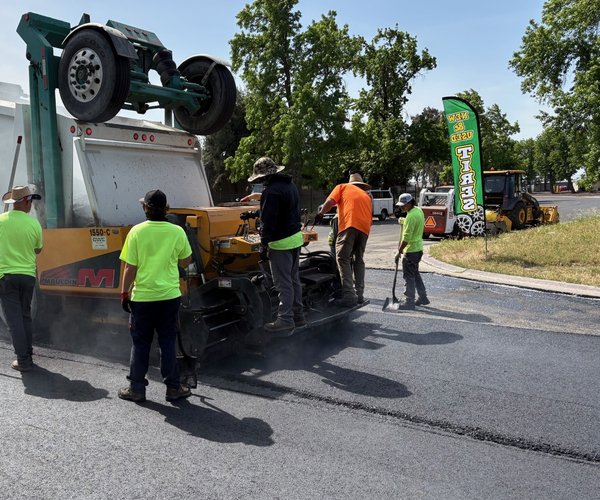
Building the Delta tunnel is expected to take at least 15 years, meaning that much of the Delta region and its 500,000 residents will be at ground zero of a giant construction project for nearly a generation.
The project will require massive amounts of earth-moving because the 36-foot-wide tunnel will be 100 to 130 feet underground.
Congressman Josh Harder, who is trying to block essential Bureau of Reclamation sign off on the project, noted “the project won’t generate an additional drop of new water.”
Besides a massive loss of farmland primarily in San Joaquin County, the state’s environmental report on the project concedes there is a strong possibility there will be significant damage to the Delta ecological system.
It is why Northern San Joaquin Valley cities and farmers that rely on the watersheds of the Stanislaus, Tuolumne, and Merced rivers are concerned the state and courts would ultimately soften environmental impacts during normal yean and more so in drought from the three rivers.
The California Department of Water Resources released an Accountability Action Plan which memorializes a series of actions that holds DWR accountable to the local community in a transparent, trackable and measurable way.
In addition to targeted and strategic communication and support, the plan establishes a $200 million Community Benefits Program for areas near the construction sites.
The goal of the plan is to avoid, minimize, or offset potential impacts of project construction to residents, businesses, tribes, visitors to the Delta, and many others. The plan was developed, in part, to address concerns expressed in various community and public input forums during the planning process.
The DWR asserts the Delta Conveyance Project is the most consequential water infrastructure project in recent California history, and will help ensure that the state can continue to provide water for people, businesses, and farmland throughout the state.
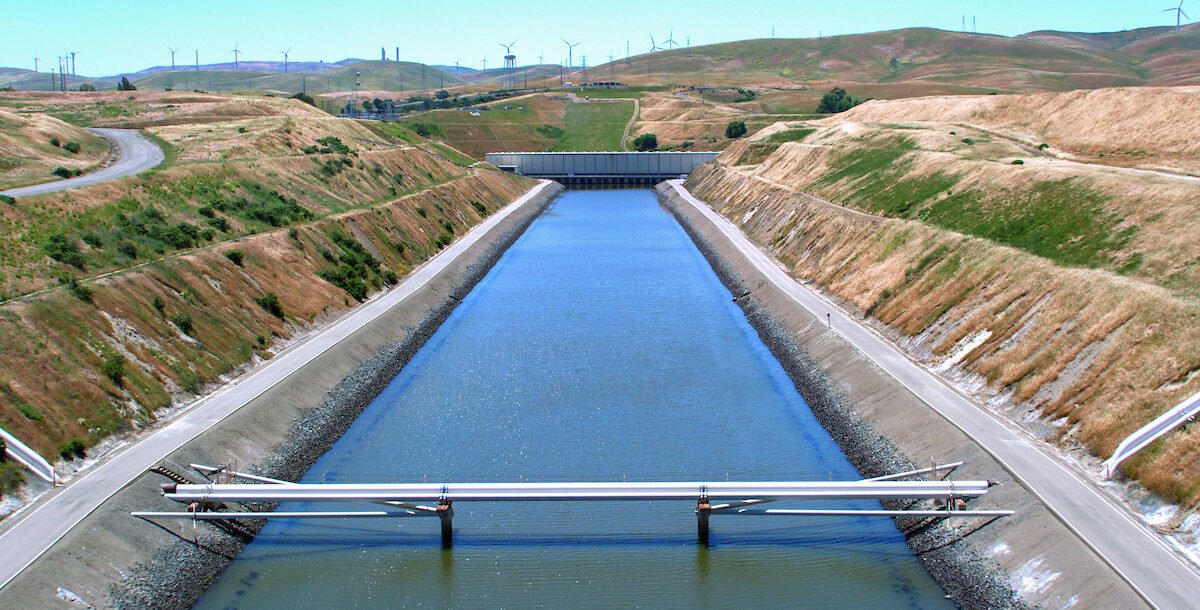
The Delta Conveyance Project will upgrade the State Water Project, enabling California’s water managers to capture and move more water during high-flow atmospheric rivers to better endure dry seasons. The tunnel, a modernization of the infrastructure system that delivers water to millions of people, would improve California’s ability to take advantage of intense periods of rain and excess flows in the Sacramento River.
McNerney counters those assertions by stating there are other fixes as he has noted that are less expensive, have more benefit, and could be out in place in a timelier manner.
The Delta Conveyance Project, according to DWR. would create much-needed and long-overdue improvements to the State Water Project, which provides water for 27 million people and 750,00 acres of farmland. It would allow the State Water Project to better capture high flows during storm events and move that water to where it’s needed in the San Joaquin Valley, Southern California, Bay Area, and Central Coast.
It would also protect against earthquake risk.
The Governor will continue working to quickly advance these improvements to ensure that California is ready for a drier and hotter future, and its communities are safe and protected.
To contact Dennis Wyatt, email dwyatt@mantecabulletin.com