Manteca — as well as the cities of Tracy and Lathrop — are now paying 2005 prices for raw surface water.
That is about to change.
The South San Joaquin Irrigation District when they meet today are expected to authorize issuing a notice a year in advance that charges for raw water will be going up in January 2027.
The proposed rate hike is 334 percent more than the current charge.
If Manteca now uses its entire annual allocation of 11,500 acre feet of water, the city would pay $325,807.
The rate adjustment targeted for 2027 would increase that to $1,498,105 a year.
The proposed five-year rate increase would ratchet that cost in annual steps to $1,936,600 by 2031.
The current in-district rate —which Manteca pays as will Ripon and Esaclon whenever they start accessing treated surface water — is $30.89 an acre foot. That price was established in 2005 when the Nick DeGroot South San Joaquin Irrigation District plant went online.
The proposed 2027 rate is $130.27 an acre foot. That would reach $163.40 an acre foot by 2031.
The out-of-district rate that applies to Lathrop and Tracy is higher. That rate is now $85.85 an acre foot. It will become $185.23 an acre foot in 2027 and eventually reach $218.36 in 2031.
The raw water charge is separate from what the three cities pay to cover their proportionate share of the treatment and delivery of water to their respective jurisdictions.
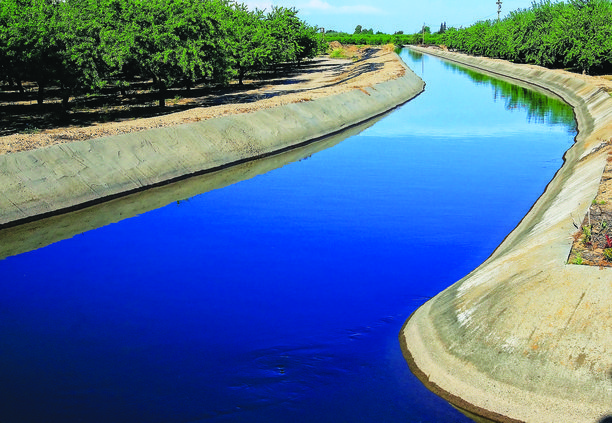
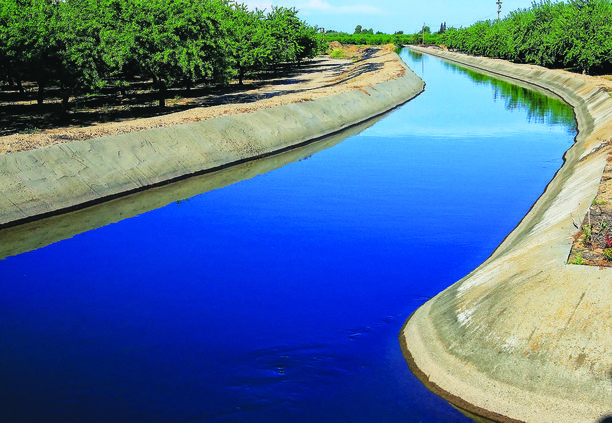
The cost of the raw water is determined by the prorated cost the SSJID incurs for storing and delivering water to the treatment plant as well as irrigation customers based on water diverted at Woodward Reservoir.
That covers operation and maintenance of the reservoir, canals, and related infrastructure.
Raw water costs elsewhere in California will still be significantly higher than what the in-district price charged to cities will get in 2027.
The California water spot market price between 2013 and 2022 ranged from $460 to $810 an acre foot.
The long-term market from1990 to 2020 reflects an $800 to $1,300 an acre foot pricing range.
The three cities are allocated 12.8 percent of the district’s raw water each year.
The rate increase study determined:
*The SSJID’s pre-1914 water rights and the ability to store water in Woodward Reservoir make water deliveries from the treatment plant “very reliable.”
*The district’s ability to continue to make pre-1914 water available to water treatment plant municipal customers is a direct benefit derived from the efficiencies of the SSJID irrigation system to deliver water to growers with higher precision through SCADA system controls, main distribution canal gate operations, pipeline laterals, flow meters, float valves and such.
*The embedded cost approach takes into consideration the full cost of capital improvement projects, operations, and maintenance of SJJID’s conveyance system which are then proportionately allocated to treatment plant customers through the raw water charge.
*It considers recovering costs for the district’s capital improvement program incurring the Canyon Tunnel Project.
The tunnel project will replace diversion canals for SSJID and Oakdale Irrigation District at Goodwin Dam on the Stanislaus River above Knights Ferry.
The canals have been subject of frequent landslides posing a real threat that water supplies could be cut off for two to three months.
The SSJID share of the tunnel project is $94 million.
To contact Dennis Wyatt, email dwyatt@mantecabulletin.com
Manteca — as well as the cities of Tracy and Lathrop — are now paying 2005 prices for raw surface water.
That is about to change.
The South San Joaquin Irrigation District when they meet today are expected to authorize issuing a notice a year in advance that charges for raw water will be going up in January 2027.
The proposed rate hike is 334 percent more than the current charge.
If Manteca now uses its entire annual allocation of 11,500 acre feet of water, the city would pay $325,807.
The rate adjustment targeted for 2027 would increase that to $1,498,105 a year.
The proposed five-year rate increase would ratchet that cost in annual steps to $1,936,600 by 2031.
The current in-district rate —which Manteca pays as will Ripon and Esaclon whenever they start accessing treated surface water — is $30.89 an acre foot. That price was established in 2005 when the Nick DeGroot South San Joaquin Irrigation District plant went online.
The proposed 2027 rate is $130.27 an acre foot. That would reach $163.40 an acre foot by 2031.
The out-of-district rate that applies to Lathrop and Tracy is higher. That rate is now $85.85 an acre foot. It will become $185.23 an acre foot in 2027 and eventually reach $218.36 in 2031.
The raw water charge is separate from what the three cities pay to cover their proportionate share of the treatment and delivery of water to their respective jurisdictions.
The cost of the raw water is determined by the prorated cost the SSJID incurs for storing and delivering water to the treatment plant as well as irrigation customers based on water diverted at Woodward Reservoir.
That covers operation and maintenance of the reservoir, canals, and related infrastructure.
Raw water costs elsewhere in California will still be significantly higher than what the in-district price charged to cities will get in 2027.
The California water spot market price between 2013 and 2022 ranged from $460 to $810 an acre foot.
The long-term market from1990 to 2020 reflects an $800 to $1,300 an acre foot pricing range.
The three cities are allocated 12.8 percent of the district’s raw water each year.
The rate increase study determined:
*The SSJID’s pre-1914 water rights and the ability to store water in Woodward Reservoir make water deliveries from the treatment plant “very reliable.”
*The district’s ability to continue to make pre-1914 water available to water treatment plant municipal customers is a direct benefit derived from the efficiencies of the SSJID irrigation system to deliver water to growers with higher precision through SCADA system controls, main distribution canal gate operations, pipeline laterals, flow meters, float valves and such.
*The embedded cost approach takes into consideration the full cost of capital improvement projects, operations, and maintenance of SJJID’s conveyance system which are then proportionately allocated to treatment plant customers through the raw water charge.
*It considers recovering costs for the district’s capital improvement program incurring the Canyon Tunnel Project.
The tunnel project will replace diversion canals for SSJID and Oakdale Irrigation District at Goodwin Dam on the Stanislaus River above Knights Ferry.
The canals have been subject of frequent landslides posing a real threat that water supplies could be cut off for two to three months.
The SSJID share of the tunnel project is $94 million.
To contact Dennis Wyatt, email dwyatt@mantecabulletin.com