New Melones Reservoir — that 220,000 residents in Manteca, Tracy, and Lathrop rely on for water as well as those farming 50,000 irrigated acres in the South County — is almost full with above average water storage as of Wednesday.
That’s the good news.
The bad news?
The Sierra snowpack, once winter ends, supplies 30 percent all water used in California was at 18 percent of normal on Wednesday. Included in the 30 percent are 18 million household water customers.
That is the lowest snowpack measurement in terms of water content since 2015 when it was 0.5 percent of average and the third lowest since the record low was established in 1850.
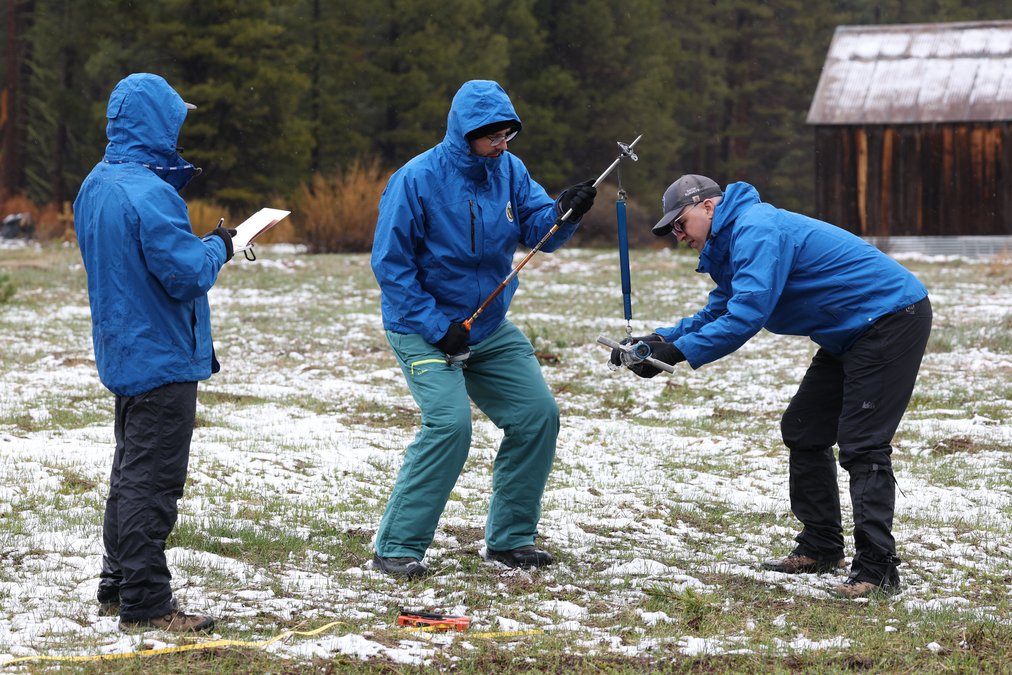
The April 1 snowpack readings from more than 260 locations throughout the Sierra are critical for water management decisions.
It is the date when the snowpack needs to be at its zenith to produce the runoff in April through early May to replenish State Water Project Reservoirs as well as local reservoirs such as the Tri-Dam Project on the Stanislaus River operated jointly by the South San Joaquin Irrigation District and Oakdale Irrigation District.
SSJID General Manager Peter Reitkerk noted last month based on the district’s operating contract with the Bureau of Reclamation regarding storage of the rights to 600,000 acre feet of water it shares with OID and how water releases occurred this year during winter, SSJID is in a position to make full water deliveries to urban and agricultural customers.
That said, Rietkerk has repeatedly indicated the SSJID continues to stress conservation.
It goes not just for how the district manages water but farmers, businesses, and households.
That is especially true given the dismal snowpack as the district heads into its heavy water use season. There is a need to hedge against this year being the start of another drought cycle in California.
Wildfire season implications
of snowpack are not good
The marquee snowpack measuring location — Phillips Station in El Dorado County at 6,800 feet — was at “zero percent’ of average for April in terms of the runoff potential of what snow is still on the ground.
It is the second worst year on record since snow surveys were started in the late 19th century.
The worst was in 2015 when there were no traces of snow on the ground.
That does not bode well for forests in terms of heightened exposure to wildfires.
Sierra mountain conditions for wildfire concerns are somewhat different than in the Coastal Range or the Central Valley and Sierra foothills.
It why local fire districts and fire departments are already sounding the alarm of the pressing need for people to abate weeds as soon as possible.
The constant and heavy rain in February followed by warmer than normal temperatures has produced a bumper crop of weeds and vegetation that is already drying out.
While the current rain has dampened the immediate fire danger from vegetation somewhat, there have been houses lost over the years in Manteca due to such “grass fires” as well as 36 at one time in Stockon that were located near the urbanized geographic center of the city.
State warns problems ahead
if next winter is just as dry
State officials Wednesday stressed California isn't quite in a drought just yet but one could be looming if the state endures another disappointingly dry winter next year.
Six of the lowest April 1 snowpacks on record have occurred since 2007 and the snowmelt this March looked more like something that would typically happen in late April or even May.
California Department of Water Director Karla Nemeth said the year has been dominated by two meteorological challenges -- most of the state's precipitation arrived as rain instead of snow, which lasts longer on the ground and is considered a sort of natural reservoir, and an extremely warm March.
She noted given April 1 marks the end of the state's traditional rainy season. That’s why water managers don't expect reservoir levels to increase much since most of the snowpack is already gone.
She also hinted that some areas might see water use restrictions based on local conditions and supply availability.
To contact Dennis Wyatt, email dwyatt@mantecabulletin.com