Non-profit housing has been a solid partial answer for a perplexing problem facing Manteca — affordable workforce housing.
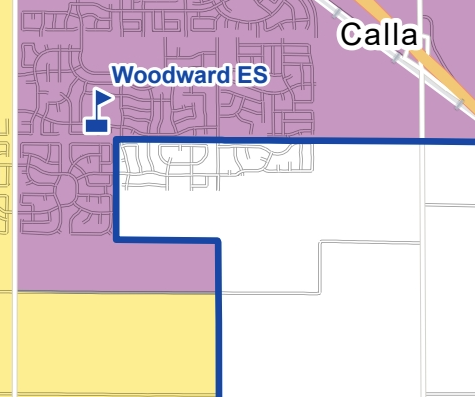
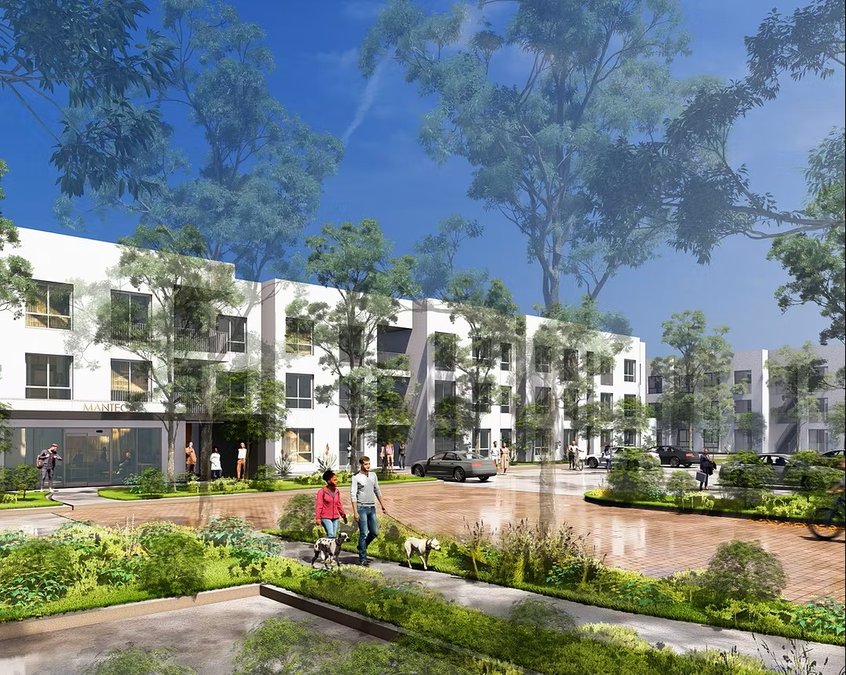
The latest example is the 100-unit Bold Communities apartment complex now being built on North Main Street.
It is the seventh housing endeavor where residents that meet specific income guidelines pay roughly 30 percent of their income to secure housing. The balance is subsidized either through federal programs or by tax-free bonds and/or government assistance to construct complexes.
The first one of the city’s four subsidized low-income senior complexes was Manteca Manor on Eastwood Avenue operated by Eskaton.
The other senior complexes are Almond Terrace on North Union just south of Lathrop Road, Magnolia Court on Grant Avenue that backs up to Bank of Stockton and Dribble’s Car Wash, and Cottage Village on Cottage Avenue on the southwest corner of the Cottage Avenue overcrossing of Highway 99.
The non-age restricted complexes are the 153-unit Juniper Apartments next to the Tesoro Apartments on Atherton Drive and the 68-unit Union Court Apartments on Union Road at Wawona Street.
Unlike the towers of Section 8 housing in large cities that have become symbols of subsidized housing gone wrong complete with deteriorating complexes, crime, and blight the subsidized housing endeavors in Manteca seamlessly blend in.
The Juniper Apartments, for example, look no different in design or upkeep from the road than the next-door Tesoro Apartments or the Paseo Villas on Atherton to the west of Van Ryn Road. The two complexes are among the top five in commanding rent in Manteca.
The inside amenities are just a notch down when it comes to “touches” such as counter tops being granite.
In fact, a non-profit specializing in building and managing subsidized housing — Eden Housing — solved a big blight and crime problem when they purchased the problematic Wawona Apartments in the mid-1990s and renovated them.
Prior to Eden Housing stepping up, the complex built in the 1980s had crime issues and deteriorating property conditions.
The standard running joke in the early 1990s was you could drive by two of the complex’s six buildings that faced Wawona Street and at least two or three front doors — sans screens — would be wide open.
“The key is management,” notes former Manteca Councilman Jose Nuno, who spent 18 years development and managing affordable housing projects in the Central Valley.
Bold Communities — unlike five of the six other rent subsidized Manteca complexes — did not require the City of Manteca to contribute funds for to help construction pencil out.
It is also the first complex in Manteca to have 30 percent of its units set aside for households where one member makes their living in the agricultural sector.
Given the area around Manteca contributes significantly to the $3.1 billion agricultural production in San Joaquin County that supports roughly 10,000 farm-related jobs in the county.
“When most people think farm workers they think of those picking cherries,” Nuno said.
Bu it also includes cannery workers, mechanic, ag trucking, and more.
Those that qualify for the set aside apartments at Bold Communities are in labor intensive positions that have lower paychecks than say a chemist working for Delicato Vineyards.
A household, to qualify for an apartment at the Bold Communities’ project dubbed Los Robles Apartments, must earn between 30 and 60 percent of the average median income for San Joaquin County.
The rent charged is based on the size of the household.
To contact Dennis Wyatt, email dwyatt@mantecabulletin.com