You can hear yourself breathe as you pound the pavement on a lazy jog in the mid-day Northern San Joaquin Valley heat as the temperature climbs steadily toward the century mark.
A turn in direction provides a subtle breeze that turns the beads of sweat into cooling drops that feel like micro ice cubes sliding down your skin. You feel refreshed and in tune with the day.
Then when the jog is done you take cover under the shade of a tree feeling your body cool down and your heart beat retreating as steady drips of sweat splatter the ground eventually merging to create a small puddle.
It’s a feeling of absolute bliss.
There are those that would say I’ve been out in the sun too long.
If the truth be told, I haven’t been in the sun long enough.
I’m not talking about stretching out on a towel, slapping on sunscreen, and occasionally flipping over occasionally emulating the act of basting a roast on a rotisserie. That doesn’t warm the soul. It bakes the skin.
Instead, I’m referring to embracing the heat.
For years I fell into the mindset that one couldn’t survive in the Great Central Valley without going from air-tight air conditioned boxes to air-tight air conditioned boxes on wheels.
I learned to dread the days when the mercury pushed past 90 degrees.
Then I discovered the joy of embracing what nature created.
Instead of spending time resisting the heat I adjusted to it.
It’s not a radical concept by far. It’s what our grandparents did. It’s what their parents did.
I’m a fifth generation Central Valley resident a little over a generation removed from a working ranch where you had to work in the relentless sun to survive.
People did it without air conditioning and they did it without killing themselves.
We can marvel at all the wonders that Carrier, Frigidaire, and Goodman can create to control inside air temperatures but the technology is primitive given how our bodies are designed to acclimate.
By no means does that mean going crazy. There is an art to wisely using what we have been given and a method to the madness of a few Manteca firefighters over the years who opted to run in the late afternoon when heat crescendos.
If you can train your body to function in such heat and do so in a wise manner, dealing with the heat becomes easier and less stressful on your heart and your soul.
I don’t eschew air conditioning. Working at the Bulletin would be a sweat box without it as demonstrated by the times over the years the units stopped working that cool the century-old building with south-facing massive sun soaking windows literally four feet from heat radiating asphalt.
As for a car, try buying one in California without air conditioning.
That said I do not have central air conditioning. There is a wall unit that was last turned on almost 14 months ago when my great-grandson Wyatt and his parents were still living with me.
There is also a roof-mounted swamp cooler that I have not used since I bought the home in 2008.
It does get hot. There are times when I lock the windows because I’m at work that the thermostat on the wall heater is well past 90, the last number marking.
But turn on six over-sized ceiling fans in a home of 990 square feet with plenty of windows for cross ventilation all guarded by over a dozen trees and it is pleasant.
No, it’s not 75 degrees. It is in the 80s to 90s but with air movement it is more than tolerable. Besides, this is summer and not a fall day we are taking about.
As for sleeping at night, when I’m feeling real decadent and the overnight temperatures aren’t dipping below 65 degrees, I’ll sometimes retreat to the backyard on a chaise lounge bringing with me a comforter.
I always find it amusing after such nights to hear how people complain it was tough to sleep in an air conditioned house with the thermostat at 72 degrees.
Meanwhile, I slept soundly snuggled against nature’s tantalizing slight summer night chill provided by Delta breezes made all the cooler by the leaves of trees.
The next seven days are expected to have highs past the century mark.
The hottest is expected on be Monday when the temperature is expected to reach 111 degrees.
Think about it.
One hundred and eleven degrees.
That’s hot.
And yes, each degree you keep inching upward — or downward in winter — can trigger all sorts of serious issues regardless of how well conditioned you are.
There are limits even though they vary slightly from person to person.
That said, my grandmother pointed out how people fret when the temperatures is heading toward 100 degrees make it even hotter when the mercury reaches that benchmark.
She always reminded people that it was only a degree hotter than 99 degrees. Yet they were acting as is if they soddenly been shoved into Dante’s Inferno.
But on days the forecast called for 99 degrees people weren’t nearly as preoccupied about how hot it was getting as nature moved toward that mark as when the forecast called for 100 degrees.
“It’s just one degree,” Grandma Towle would say.
It’s one degree, however, that we make even hotter by obsessing over it.
Do not be mistaken.
You should always take precautions when its hot, cold or even mild.
Listen to your body. Don’t be stupid.
And certainly, if you are able, work with your body overtime to acclimate.
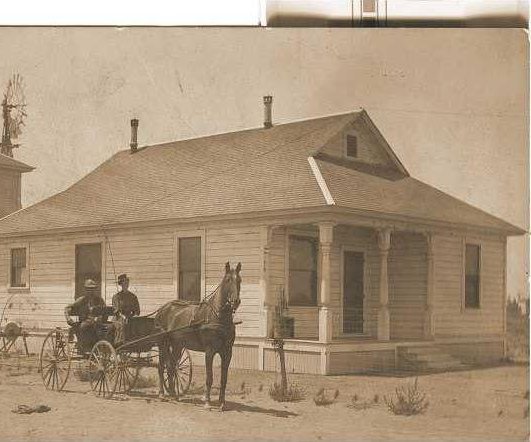
It is why homes built a century ago in the valley typically had summer porches.
It was also before we were surrounded by all sorts of manmade “improvements” that reflect heat and often also absorb heat that is then radiated back even as the cooling breezes start drifting in from the Delta as the sun goes down.
Walk along a sound wall during the next few days around 8:30 p.m. that had been exposed to the sun since midday. You can feel the heat radiating from the masonry blocks.
Yes, the heat can get to me.
But by and large just being smart, listening to your body and making a concerted effort to use what nature has provided you with makes summer in the Central Valley not about surviving but about thriving.
Think of the watermelons that come from the farmland around Manteca. Art Perry isn’t pulling your leg when he tells you they are the sweetest around. Just like grapes they are made all the better by growing in blistering valley heat then cooled at night by Delta breezes.
The heat and Delta breezes make Manteca watermelons the sweetest around.
The same goes for life in general in Manteca.
This column is the opinion of editor, Dennis Wyatt, and does not necessarily represent the opinions of The Bulletin or 209 Multimedia. He can be reached at dwyatt@mantecabulletin.com