There are two dozen or so FM radio stations listed in San Joaquin County and five AM stations.
That might stun some people who either believe local radio is dead or else believe it is limited to KWIN 99.7 FM (calling itself “Stockton’s No. 1 hit music station), KSTN 105.9 (“The Bull” country music), or KUOP 91.3 FM (affiliated with National Public Radio and owned by California State University, Sacramento and not the University of the Pacific as the call letters infer).
Keep in mind those stations noted by the Radio Stations Worldwide website range from 9 watts with a range varying from 3 to 10 miles to 6 kilowatts with a range varying from 30 to 60 miles.
There was a time when radio was the quickest source of news.
Even after radio was eclipsed as “the broadcast medium” by television, it still was how people first learned of the assassination of President John F. Kennedy on Nov. 22, 1963.
Walter Cronkite famously is remembered for reporting it first as a CBS news bulletin on TV, but there weren’t all that many people watching the soap opera “As the World Turns”.
Even though national radio networks, including CBS News, didn’t report the shooting until minutes later, radio is how most Americans heard about it initially.
Radio was everywhere — in cars, in offices, and even handheld “transistor radios” one could carry around with you that were all the rage in the late 1950s through early 1970s.
Barber shops had transistor radios, not TV screens.
A smartphone per se was 100 percent Buck Rogers fantasy in 1963.
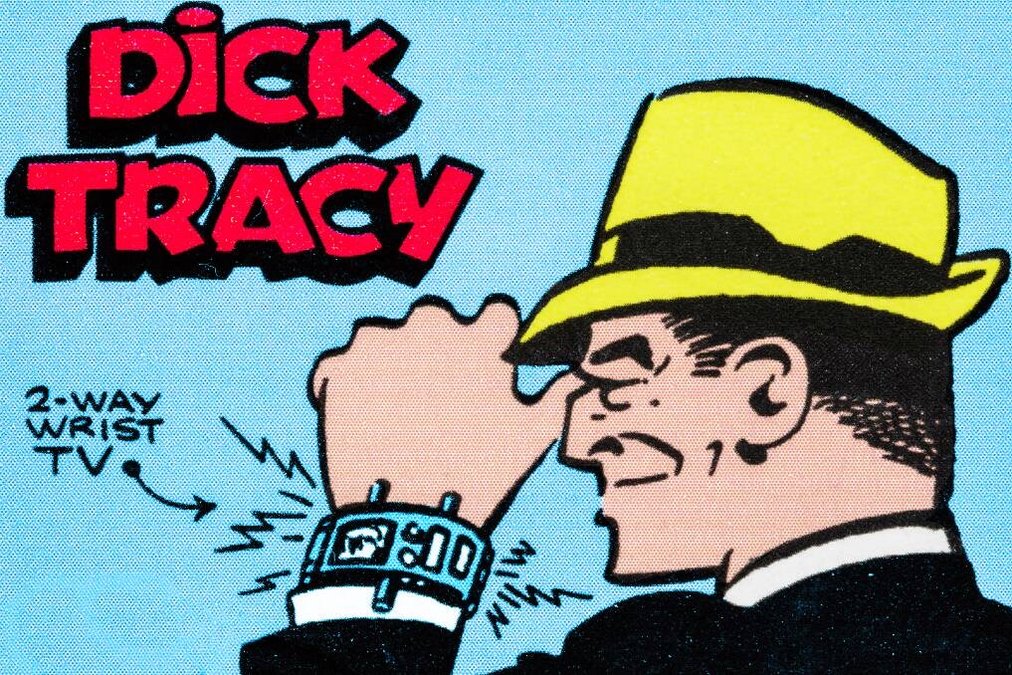
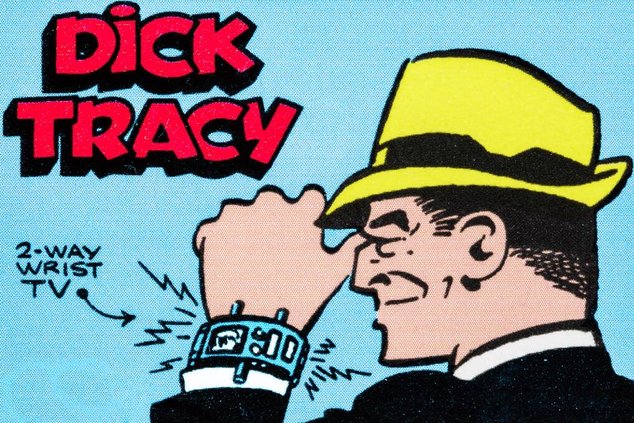
The most notable vision of such appeared in a 1946 comic strip dubbed “Dick Tracy” where the detective used a two-way wristwatch radio as a way for “calling all cars.”
Today, you can watch soap operas on a smartphone.
All this radio talk was triggered by the news that CBS Radio News is pulling the plug on May 22, four months shy of its 99th anniversary.
CBS Radio News produces a three-minute news program on the hour with some of its 700 affiliates opting for a six-minute version. There is a rapid one-minute news headline broadcast many of those stations carry as well as “one minute bottom of the hour news updates.”
Radio is far from being irrelevant.
As of the first of this month, the Federal Communications Commission reported 15,438 licensed radio stations.
There still literally hundreds, if not a thousand or more, of local radio news options among them.
Yes, the Sirius app that dominates car radio today has 13 channels classified as news, but six of them are simulcasts of TV shows such as CSPAN, CNN, FOX, CNBC, and MS NOW.
Given they are peppered with references such “as you can see on your screen” and the “video footage you are seeing,” TV simulcasts aren’t tailored for an audience of 100 percent listeners.
And unlike those 15,438 broadcast radio stations, Sirius can put you back as much as $23.99 a month for plans that include news stations.
Ignoring the free AM and FM options while in your car — let’s face it, that is how most listen to radio — means you miss out on local flavor especially when you’re driving down Highway 99 headed toward the Tehachapi Pass.
Granted, most stations seem to be religious or culture specific such as being in Spanish, but as your search the dial for stations with the strongest signals, your car radio will still stop on stations that actually have local news programs.
You can get a feel for the communities you drive through when the local radio station broadcasts its own news.
Nowhere is that truer than in the more rural areas of the Golden State such as driving Highway 395 through Eastern Sierra.
On various trips down that corridor over the years, you learn places like Inyo County with 18,000 residents — roughly 2,000 more than Ripon — have community concerns that are much different than on this side of the Sierra.
Listening to AM station in Bishop on the way to Death Valley to bicycle after Thanksgiving one year with two friends, we got hooked on “local news” every 30 minutes offering updates on a nine-man football playoff game in Lone Pine where the windchill factor made it feel like 24 degrees.
Well, that’s not 100 percent true. What got us to stay tuned in until static prevailed was hoping to hear the country song we heard when we first landed on the station that included the memorable line “you must have gotten beaten with the ugly stick.”
The Sacramento area at the time had one of the largest country stations in California in the form of KRAK, but it didn’t carry the gems that the Bishop radio station did.
While there will still be other national radio news networks around after May 22, the options are dwindling on the dial as well as local radio news.
Still, one wonders what Paul Harvey would have had to say about the news that CBS Radio News is going silent.
If you do not know who Paul Harvey was, here’s the rest of the story.
Paul Harvey at one point was the undisputed king of the radio airwaves with 24 million listeners in the 1970s tuning into his news and commentary show broadcast mid-afternoon weekdays and at noon on Saturday.
That’s 4 million more than Joe Rogan, the undisputed top podcaster so far in 2026.
Harvey was no Ed Murrow who kept Americans glued to the radio with his dispatches from Europe covering World War II. Murrow was part of CBS Radio News before transitioning to TV news.
Harvey — whose full name was Paul Harvey Aurandt — was a bit of a verbal showman employing a staccato delivery intertwined rhythmic flow and effective pregnant pauses some described as hypnotic timbre.
His delivery was his forte whether it was presenting the news of offering his signature folksy commentaries.
When he opened briskly announcing, “this is Paul Harvey, stand by-y-y for the new-w-ws,”, you knew news was coming after the product pitch. He kept the commentary separate.
And when he uttered the words, “now, for the rest of the story” you knew he was in education mode, if you will.
He clearly was conservative in his commentaries but they weren’t viscous and relied on wit, not words sharpened like daggers, to deliver his point.
Podcasts, et al, mean there are almost infinity squared options today when it comes to people taking about the news, commentary, or both.
But the straight man, if you will, in terms of presentation of news that Ed Murrow represented is being washed over by a tsunami of talking heads.
And when it’s comes to verbal commentary, the delivery is heavy on guttural and low on eloquence.
It clearly takes less effort to snare listeners with outrage as opposed to wit or even a dead-pan “just the facts ma’am” delivery of Sgt. Joe Friday of Dragnet game.
Those options are still out there on the radio.
Unfortunately, they are buried alive by those more interested in collecting clicks or likes than delivering the news or trying to sway someone’s opinion.
This column is the opinion of editor, Dennis Wyatt, and does not necessarily represent the opinions of The Bulletin or 209 Multimedia. He can be reached at dwyatt@mantecabulletin.com