There was a time, believe it or not, soda vending machines in high schools generated thousands upon thousands of dollars for schools.
Pepsi and Coca-Cola competed head-to-head for the exclusive privilege of placing soda vending machines in schools.
They’d pay for scoreboards for football stadiums and gyms with their logos prominently displayed.
The deals also allowed them to pay for things such as posters incorporating soda logos listing sport schedules.
Schools got a percentage of the vending machine sales.
Usually, it went to the student body association or the athletic department to fund things such as team uniforms. Sometimes it went to the school itself to pay for non-budgeted things.
A quarter of a century ago, “progressives” decried soda vending machines in schools as part of the first salvo in an all-out war on soda and sugar in general.
They did so with the firm belief it was helping hook young people on soda — with sugar or with artificial sweeteners — that were empty calories at best and devoid of any nutritional value — and at worst could lead to health issues.
The science pretty much backed up the point.
California was in the vanguard of the movement banning soda vending machines from schools.
First, soda vending machines were history in elementary schools by 2006 and then high schools by 2009.
Manteca Unified beat the state to the punch by banning school soda machines in 2003.
California in 2014 closed a loophole that some districts used to allow vending machines to dispense sports energy drinks on campus.
The first cities in the United States to tax soda and other drinks with a certain percentage of sugar were all in California.
Starting with Berkeley in 2015, within three years Oakland, Albany, and San Francisco followed suit.
The California Legislature then instituted a statewide ban prohibiting additional cities from taxing soda in 2018 after extensive lobbying by the beverage lobby.
Santa Cruz last year defied that ban by implementing a 2 cent per ounce tax on soda approved by the voters. The state is now being sued by the American Beverage Association, California Grocers Association, the California Chamber of Commerce, and three other trade groups demanding the ban against additional cities taxing soda be enforced.
It is crystal clear where the California power structure stands when it comes to sugar.
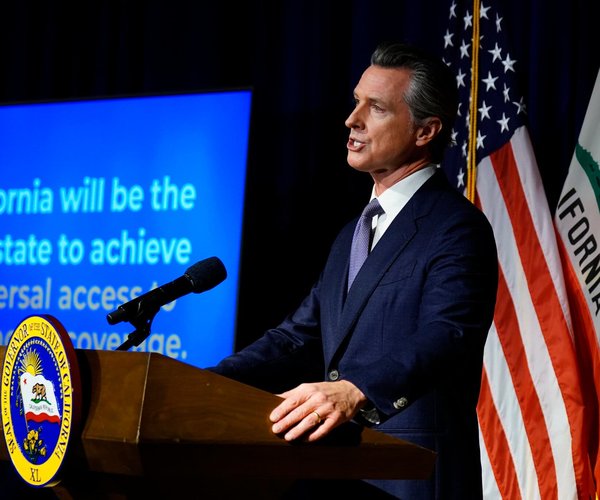
If you doubt that, in 2023 Gov. Gavin Newsom made California the first state to tighten the screws on sugar in meals served by school cafeterias.
Again, it is a trend Manteca Unified got out in front of Sacramento.
The reason Manteca Unified did so each time was simple.
Educators saw the impact of kids hyped up on sugar and not consuming nutritious food in terms of how it impacted their academic performance and health.
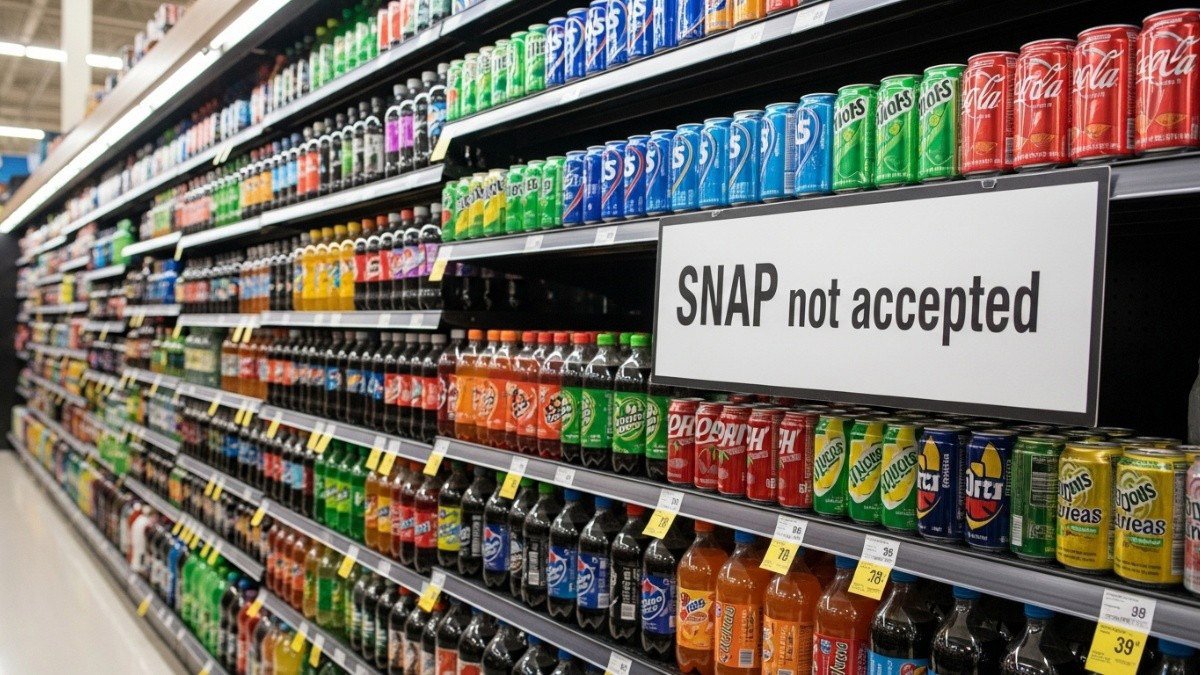
All of that has to make you wonder why California isn’t one of the 18 states so far to apply for and be granted a waiver from the federal government to allow the Golden State to bar the use of Supplemental Nutrition Assistance Program (SNAP) for buying soda, energy drinks, and candy.
More than a few people that are self-described progressives are aghast that Health Secretary Robert F. Kennedy Jr. and Agriculture Secretary Brooke Rollins are encouraging states to file for such exemptions.
The exemptions are allowed for “foods that are regraded as unhealthy.”
It begs the politically charged question du jour.
Why isn’t California making such a request of the federal government?
It couldn’t have anything to do with current politics, could it?
Taking Kennedy and Rollins at their word, the effort is aimed at reducing chronic diseases such as obesity and diabetes associated with sweetened drinks and other treats.
To be clear, the National Retail Federation, National Grocers Association, and other trade groups are against allowing states exemptions not to allow SNAP funds to buy soda, energy drinks, and candy.
Experts say there is possibly as much as $100 million in taxpayer funded soda purchases at stake.
But why are those who know better all of a sudden finding excuses to say allowing states to ban SNAP programs such as Cal Fresh in California is the wrong thing to do?
Consider the words offered by Anand Parekh, a medical doctor who is the chief health officer at the University of Michigan School of Public Health.
“This (the SNAP soda ban) doesn’t solve the two fundamental problems, which is healthy food in this country is not affordable and healthy food is cheap and ubiquitous,” is the quote he gave Associated Press.
OK, but how does spending SNAP money on soda – demonized for years as being empty calories and anything but nutritious — that could go instead to help cover the rising cost of healthier food options, not be a sound move?
It’s because experts believe SNAP recipients will still find a way to buy soda.
But if they can afford to do that, does it mean the government is being too generous with SNAP benefits?
Then there is the little detail of what’s in SNAP’s name — nutrition.
The day that Diet Pepsi or Dr. Pepper makes it on whatever food pyramid health professionals are cobbling together in a woke world is when Gavin Newsom signs on J.D. Vance’s 2028 ticket as his Vice President running mate.
SNAP advocates contend the new exemptions added to the list of of-limit items “does not provide enough specific information to prepare a SNAP participant to the grocery store.”
On the new exemption lists from some states includes “certain prepared foods.”
The same advocates contend the new exemptions means everyone, including non-SNAP recipients, will be paying more at the grocery store.
To recap, the federal government is encouraging states to apply for exemptions that won’t allow SNAP recipients to buy soda.
California for 20 plus years has been pushing to get sugar out of the hands of people, especially kids.
A third of the 5.5 million Californians receiving SNAP benefits are children.
So why isn’t California jumping on the band wagon so it can continue its decades long war on reducing soda consumption among kids?
Good question.
Perhaps Gov. Newsom, aka the Unmasked Marvel of five-star restaurant French Laundry fame, has an answer.
He has, after all, positioned himself as a crusader when it comes to food and health from what one consumes to how you are allowed to eat it in public during pandemics.
This column is the opinion of editor, Dennis Wyatt, and does not necessarily represent the opinions of The Bulletin or 209 Multimedia. He can be reached at dwyatt@mantecabulletin.com