By allowing ads to appear on this site, you support the local businesses who, in turn, support great journalism.
Manteca makes a lot of costly plans & then ignores them, parking is Exhibit A
PERSPECTIVE
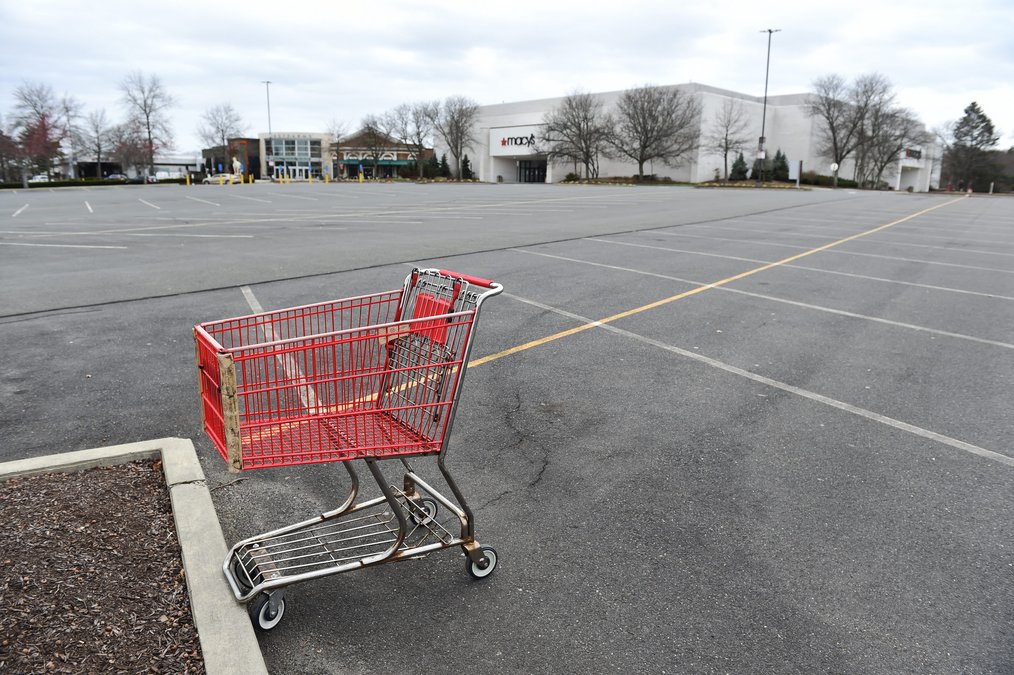
parking lot
Manteca makes a lot of costly plans & then ignores them, parking is Exhibit A

Manteca spends tens of thousands of dollars in the course of an average year on state mandated plans.

Climate change action plans.

General plans.

Traffic circulation plans.

Storm runoff plans.

Water master plans.

Housing plans.

And, again in the near future, another downtown plan.

You get the picture.

Manteca, of course, is not alone.

They are doing what is required.

It’s a game, for the most part.

Cities pay consultants to tell them the goals the state wants them to adopt.

Then they make a series of recommendations on how to implement those plans.

But rarely are the game changing goals reached because, quite frankly there is either no political will or the staff lacks the fortitude to connect the dots for elected leaders.

Worse yet, they take the easy way out to appease Sacramento and to prevent lawsuits or the withholding of municipal funds.

That usually entails completing the entitled report, putting together words to establish goals, and then writing lofty mumbo jumbo as proposed policies that end up not being adopted, and if they are, ignored instead of implemented.

In the worst case scenario, they go a step further, identify costs of obtaining a goal such as “greenhouse gas reduction,” “reducing storm runoff”, or “making the community more walkable ‘livable”, adopt a fee they slap on growth, accumulate money and do next to nothing.

Read enough official plans and watch what a city does and you will find a disconnect as wide as the Pacific Ocean.

And in the case of Manteca — and probably  more than a majority of the state’s 483 municipalities — the biggest disconnect is how parking requirements of vehicles are handled.

We are told parking needs to be less convenient to encourage people to ride share, use transit, or to use e-bikes, bicycles of their feet for shorter trips.

We are told massive asphalt parking lots create urban heat islands that jack up ground temperature that in turn imperils health.

We are told those same urban heat islands require more electricity to cool nearby buildings down.

We are told large expanses of asphalt that are the proverbial “poster boys” for impervious surfaces are increasing flooding risks with every acre that is paved over.

The city’s parking requirements for stores, dining options, and such reflect a sensibility rooted in Black Friday shopping days and an era when the only way people got on line to shop or  order food required placing a phone call using landlines dependent on wires strung from pole to pole.

Take a look at downtown where it’s a solid bet the plan yet to be commissioned while focus on the need for more parking.

Was parking a problem for last Saturday’s downtown trunk of treat?

Is it a problem for the Music in Maple events, Watermelon Festival, Pumpkin Fair, Christmas parade, or the Fourth of July Parade?

Before you answer, a prerequisite question needs to be answered first.

The question: Did current parking conditions prevent people from attending those events or stop them from being successful?

Most of the time the existing parking — including on-street spaces — is more than adequate for current needs and more commercial use.

The city for years had in place a false barrier that prevented investment in downtown.

That barrier was any change in the use of a property such as converting a hardware store into a restaurant would have to address “modern parking requirements” meaning they need more off-street stalls.

Go to places like downtown Livermore or downtown Pleasanton on weekends and a number of nights each week.

People will park and walk two to five blocks to get to someplace they want to go.

Downtown Manteca needs to create a parking problem. And in doing so, the city will discover people are willing to park and walk a ways if they are sold on a reason to do so just like with trunk or treat last week.

Now look at newer developments.

Back in 2002, the developer that brought Target to Manteca also had a popular national chain restaurant that wanted to locate on Spreckels Avenue across from the now homeless-proof — read that fenced off — Spreckels Historic Plaza complete with pseudo sugar silos consisting of massive sections of culvert pipe turned on end.

The restaurant, based on its square footage, required 45 spaces based on city requirements for a sit-down dining option.

The developer noted there were “excess” 30 parking spaces beyond the required stall count built for the Target portion of the project. They proposed utilizing the 30 excess parking spaces along with 15 of the under non-utilized parking stalls created for Target be shared with the restaurant to cover the city’s parking requirement.

The city said no. The restaurant said good-bye.

Things haven’t changed much. There are projects being processed where parking standards are a costly sticking point even though the applicant argues the requirement exceeds proven needs based on a track record of experience.

And this from a city that has adopted climate change plans and general plans — basically a blueprint to guide growth — that call for reducing the municipal parking requirements to make Manteca more livable/walkable and as a way to reduce greenhouse gas emissions.

Leonard Smith, who is a former Manteca planning commissioner and served on the citizens advisory committee for the city’s climate change action plan update, understands all too well that municipal policy plans are long on action and virtually non-existent on implementation strategies.

Even suggestions Smith made that offered non-mandated incentives for gas stations to become an agent of change in addressing greenhouse gas emissions was brushed aside by the consultant and city staff as essentially being superfluous in achieving the city’s stated goals.

The real goal, of course, is protecting an entrenched bureaucracy with a death grip on regulations as well as blind allegiance on the way they do things.

That is what produced a 555-space parking lot at the Big Dreams complex that in 18 years has only been filled to the brim for several hours every the Fourth of July for aerial fireworks.

It also put in place 1,572 parking spaces at The Promenade Shops at Orchard Valley beauty two decades ago.

The city needs to bring its parking requirements into alignment with the lofty “plans” they adopt and create an infill program with incentives for new structures on established parking lots.

But why do that? It might actually implement some of the goals the city spends extensive time and money to draft.


This column is the opinion of editor, Dennis Wyatt, and does not necessarily represent the opinions of The Bulletin or 209 Multimedia. He can be reached at dwyatt@mantecabulletin.com