FRENCH CAMP — San Joaquin County has been awarded $38,230,841 in Bond Behavioral Health Continuum Infrastructure Program (BHCIP) Round 2: Unmet Needs funding from the State of California.
The funding will enable major new expansion of Phase 2 of the County’s SJ BeWell Campus.
It will support construction of a new 52‑bed regional Social Rehabilitation Facility which will include an integrated Community Outpatient Center.
The facility can serve six Central Valley counties to strengthen the region’s continuum of behavioral health care and collaboration.
“This project is transformative for our region,” noted Board Chair and District Three Supervisor Sonny Dhaliwal. “Expanding treatment capacity and strengthening cross‑county partnerships ensures people can access coordinated, compassionate care for generations.”
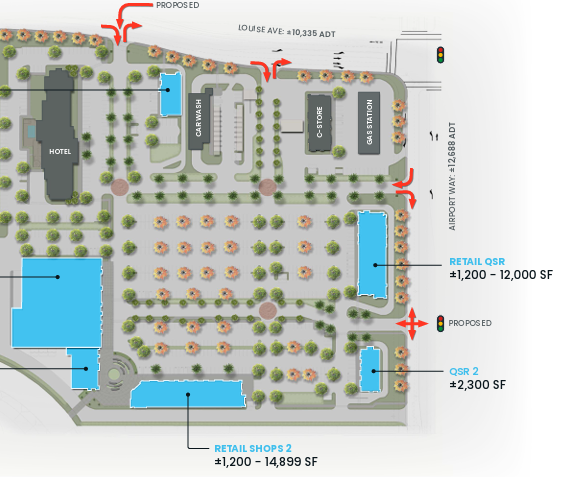
The SJ BeWell Campus being built in French Camp is San Joaquin County’s comprehensive, multi‑phase behavioral health treatment hub designed to offer a full continuum of services—from crisis care to long‑term recovery support—in one integrated location.
The SJ BeWell Campus brings together County Behavioral Health Services, Public Health, SJ Health (the County‑operated FQHC Look‑Alike), the San Joaquin County Office of Education, and neighboring counties to provide streamlined, collaborative care.
commented, “This (funding) award strengthens one of our region’s most transformative behavioral health initiatives,” noted Health Care Services Director Genevieve Valentine. “By expanding our continuum of care, we can provide coordinated, compassionate services that support recovery and improve lives across the Central Valley.”
The construction of Phase 1 of the campus — funded by a previous $137.5 million BHCIP Prop One Round One award, $11.6 million in BHCIP Round 5, opioid settlement funds, and local County investments — is already underway.
It will bring over 140 new beds and a broad array of acute and subacute behavioral health services online in 2027.
Phase 2 will expand that vision by adding longer‑term residential treatment, life‑skills development, vocational training, and employment opportunities.
“To fix homelessness, we have to address its roots. This funding expands real treatment options — more beds, more services, and more chances for people to get off the streets and rebuild,” said District Four Supervisor Steve Ding.
The six‑county Social Rehabilitation Facility with Community Outpatient Center will strengthen cross‑county partnerships, which will create a regional model that will ensure that Medi‑Cal members and underserved residents will receive needed services without delays or fragmented referrals.
Untreated mental illness and substance use disorders continue to contribute significantly to homelessness, emergency room utilization, and justice‑system involvement in the region. The expanded campus aims to break these cycles by ensuring individuals can access coordinated, person‑centered care through a single point of entry.
“This award meets a real, pressing need,” said District 5 Supervisor Robert Rickman. “It expands treatment capacity in a practical, sustainable way so we can respond effectively to behavioral health challenges now and long‑term.”