Manteca Councilwoman Regina Lackey has many skills including being able to handle herself around cows.
Lackey on Tuesday during a discussion about speed limits on Crom Street, shared that she and her family lived on what was then the western edge of that street for 10 years prior to moving to a neighborhood near Woodward Park.
Living on Crom helped her develop an appreciation of what people are up against on streets where renegade drivers are making unsafe by speeding.
It also helped her sharpen her cow corralling skills.
They lived directly across from the old Crom dairy where the 99-home Yosemite Greens neighborhood is now located.
The dairy, owned by Chris Crom, would periodically have cows get through the fencing and mosey over into the Lackeys’ front yard.
The Lackeys would walk the cows back to the dairy.
Crom shared with them where he kept ropes and such to lead the cows given they were apt at what they did and he wasn’t always at the dairy when a cow escaped.
Crumbing roads in older Manteca
neighborhoods? Teslas don’t help
Telsas, that can be 500 to 1,500 pounds heavier depending upon the model when compared to comparably sized sedans for passenger sedans, aren’t doing older neighborhood streets any favors.
The numerous trips typical households take during a typical day help accelerate the wear and tear of older neighborhood streets when it comes to cracks and potholes.
While that is true of most battery powered vehicles when compared to similar gas-powered models, the popularity of the Tesla that tends to be heavier than EV competitors clearly leave their marks — but then so do city garbage truck and the incessant uptick in the volume of trips tied to online retail delivery.
While newer neighborhood street construction standards reflect that can handle heavier vehicles successfully for longer periods of time before wear and tear starts showing, the fact a Honda Accord’s curb weight is 3,280 and most Tesla EV models are between 3,862 pounds and 4,800 pounds means a bigger impact on older streets constructed decades ago.
The city’s current solid waste rate structure takes into account the pounding that three solid waste trucks each week inflict on neighborhood streets.
The monthly rate includes 50 cents per household that is diverted to the streets division to pay for materials to fix potholes and address crack issues.
That reflects $180,000 more a year the city has to do routine street repairs. It is a source of revenue for street work that the city did not have up until two years ago.
Mark Oliver is a former mayor
Rita Simas noted after the Bulletin ran a story headlined “How good is your grasp of Manteca mayoral trivia?” with a question and answer as to who the directly elected living mayors that were still alive, that there is an indirectly mayor still alive — Mark Oliver.
Actually, there is two. The other is Rick Wentworth.
Manteca went to directly elected mayoral elections in 1980.
The four living mayors are Willie Weatherford, Steve DeBrum, Ben Cantu, and Gary Singh.
There have been five directly elected mayors that have passed away. They are Trena Kelley, Jack Snyder, Frank Warren, Bill Perry and Carlon Perry.
Before direct elections, council members that were elected selected mayors from within their ranks.
Oliver and Ted Simas (Rita’s husband) had a longtime Manteca insurance agency.
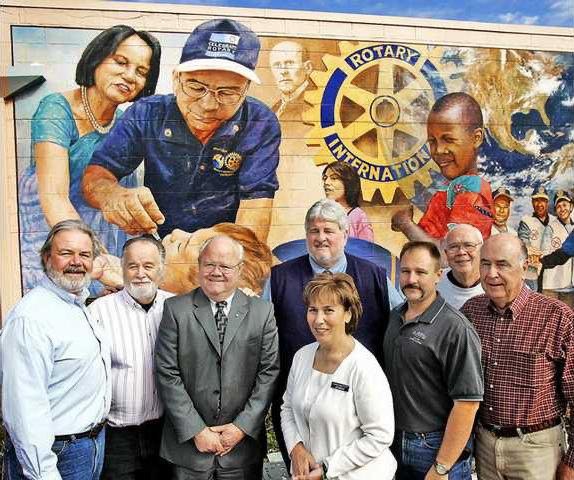
Oliver was extensive involved in Manteca Rotary as well as the Manteca Chamber of Commerce.
Simas was a long-time Delta College trustee representing the greater Manteca area.
Wentworth served 20 years as the elected San Joaquin County Superintendent of Schools after working in the Manteca Unified School District.
To contact Dennis Wyatt, email dwyatt@mantecabulletin.com