It’s amazing how quickly we become born again farmers.
All it takes is someone ripping out grape vineyards behind our tract home to build houses.
Or perhaps some farmer is selling an orchard across town to a developer that will dump more traffic on Airport Way.
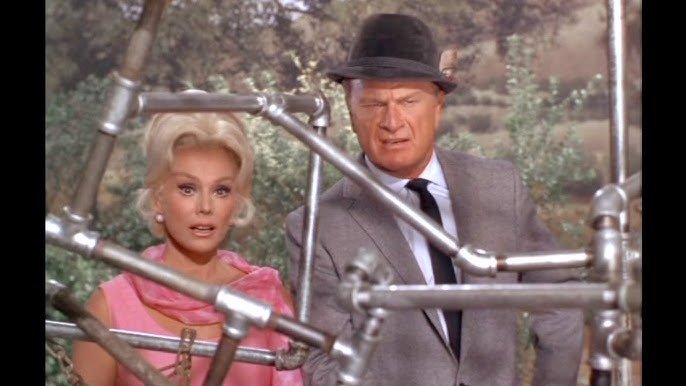
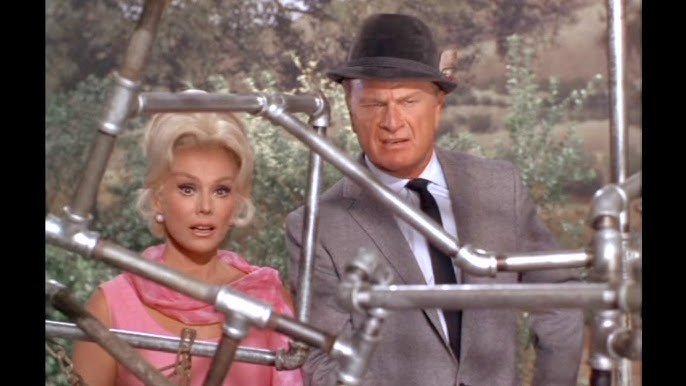
Just like that, we sound like Mr. Douglas on Green Acres, puffing out our chests and going into an impassioned monologue about how farmers are the bedrock of American society.
It’s too bad we don’t give farmers a second thought when we’re stuffing our mouths.
Costco and Ronald McDonald aren’t why we’re well fed.
And neither is a social influencer getting 10,000 clicks after posting photos of their next meal.
They — I should say we — are all parasites.
It is the farmer, rancher, and the hired people who arguably perform the most important, backbreaking, and thankless job of all and get basically squat for what they do — farmworkers.
They grow the food so we don’t have to.
And while farmers clearly get money, the only way farmers or farmworkers make more is by producing more.
The real profiteers on what you plunk down on food are those that touch it on the way to your mouth.
Back in 1920, there were 32 million people — or 30.2 percent of the 106,021,537 Americans at the time — that lived and labored on working farms.
Today, less than 2 percent of this country’s 342 million people — or roughly 6 million get their hands dirty, drenched in sweat, and their bodies thrown through the wringer farming.
Those 6 million feed us and help feed hundreds of millions of others around the globe.
In doing so, they help us cover a basic need— food — without growing it ourselves. It frees us up so we can work for a steady paycheck from someone else, speculate in cryptocurrency, or try our hands at selling items other people produce to create the next Amazon.
We squawk about the price of food as if it is an American birthright.
We do that, by the way, when half the world is happy just to have food on any given day.
But here’s a dirty little secret. Very little of the price we pay at the supermarket, restaurant, or especially when we Uber dine gets into the pockets of the farmer or the farmworker.
Data compiled by economists with the Economic Research Service attached to the US Department of Agriculture have been keeping track of what we spend on food relative to our household income since 1930.
Back in 1930, 24.2 percent of every dollar we earned went to filling our stomach — and those of whoever relied on our paychecks.
Today — based on 2024 statistics — it is 12.9 percent.
Those figures reflect all food — from the supermarket whether it is boxed, canned, bagged, frozen, or fresh and when we dine out.
So where does our money go?
Smartphones. Designer clothes. Disneyland. Vehicles that are light years away from Model T trucks that replaced real horsepower on farms.
No one expects anyone to think every time they have a latte or cappuccino at Starbucks that the steamed milk the Starbucks used came from a smelly dairy like the one you’ll pass on South Union Road as you head toward the heart of California agriculture.
But it would sure be nice if we fought for the future of agriculture in San Joaquin County besides just to use it as a card to play when we are ticked off about growth.
We can start educating ourselves about water and other critical needs to grow food.
Too often we are eager to throw agriculture under the proverbial bus in dry years instead of being more judicious irrigating water guzzling eye candy known as non-native grass.
It’s always a great line to say we can just import food and stop growing it here in California to save water.
See how long you’ll enjoy skyrocketing prices for vegetables and fruits that are anything but fresh.
A fun little fact. When we have a drought, other areas of the globe are having droughts too.
The same people who are singing the praises of agriculture in a bid to derail growth are often the same ones that wanted to derail farm production so they could have ample water to have lush lawns in the drought.
We need to stop treating agriculture as an afterthought in San Joaquin County when there are 3,840 farms — mostly family owned — that grew $3.2 billion in raw commodities in 2024 in our backyards.
That doesn’t mean an end to growth.
What it does mean is smart development going forward that doesn’t view the loss of agriculture as collateral damage.