The day is coming when Manteca households will be able to use an app to take proactive steps to reduce their water costs.
The city is moving toward a system that will provide households and businesses alike hourly readings of their water use via web-based meter reading.
While cost savings and data to shape required water conservation programs are the main objective of the smart water meters that have been mandated for new construction in Manteca since 2023, it will empower water customers to more effectively manage their water use and help keep their costs down.
The smart water meters allow customers:
*To opt for readings in gallons used instead of the current hundred cubic feet used. They can still use the cubic feet measurement, if they desire.
*To get a rough estimate of how much water they use for certain tasks. For example, if the only water they use between 6 and 7 p.m. on a specific day is for outside irrigating, they will get a clear reading on the amount used.
*To also detect if they have leaks if data shows they are using water during certain hours when they have not turned on faucets, flushed toilets, taken showers or baths, watered outside, or used washing machines or dishwashers.
*To set water usage alarms. It will send them an email and/or push notification to their connected smartphone if the alarm is triggered or water flows continuously for more than 24 hours.
The City Council tonight is being asked to authorize spending $586,600 out of the water maintenance and operation fund to have Concord Utility Services to replace another 1,000 water meters with the new technology.
In doing so, it will bring the number of older meters replaced with the new technology to 4,000.
The city — instead of doing all needed replacement in one fell swoop that could cost in excess of $10 million — is doing it in a phased approach to keep ratepayer costs down as much as possible.
As such, the cost of replacing meters is being covered by the existing water-rate structure.
Most existing pre-2023 meters are functioning properly and will be replaced as the city is able to do so with funds from the water account.
Manteca currently has more than 30,000 water connections.
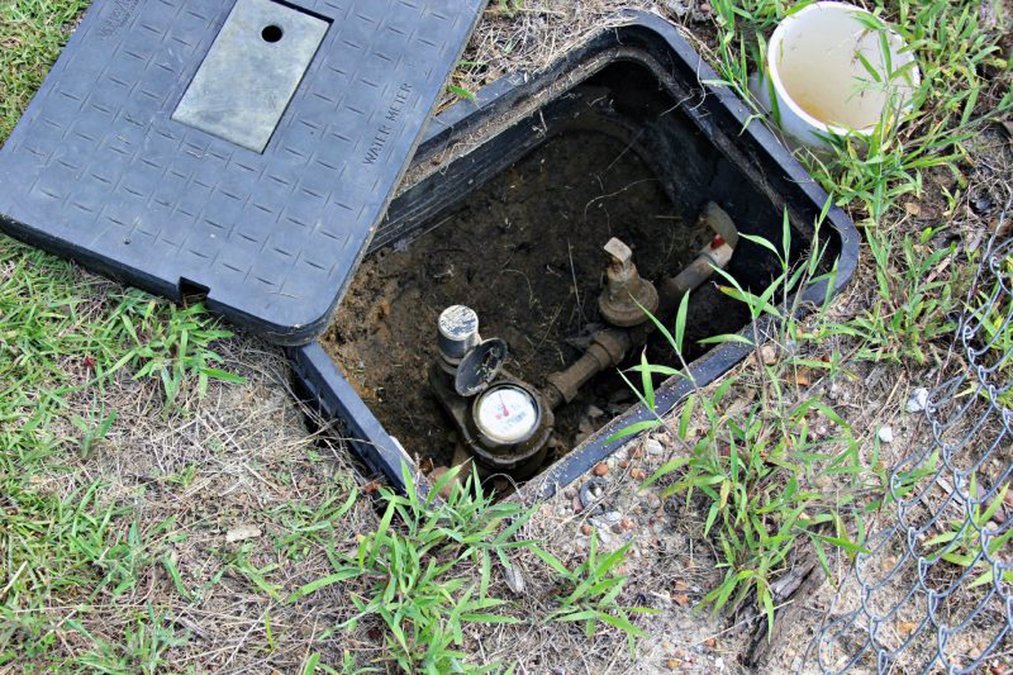
The physical meter is the actual device the water flows through.
The register and end point are what calculate and send out the readings.
The endpoints have a microchip in it with cellular capability that sends the readings to an Amazon Web Services hosted server. The readings can be broken down into hourly increments.
There is no guarantee that it will be successful in sending the read every hour, but when it does send the reads it will send all that have not yet been reported.
In theory, all meters in Manteca will be able to be read via the service.
In practice, not 100% will read perfectly.
They may be under water, a vehicle parked over the water box, intentional and unintentional tampering, or general malfunction.
The number on unsuccessful reads is anticipated to be very low each month based on other cities and water districts that are currently using the system/technology.
The smart app reading has led to a number of customers in other jurisdictions to discover water usage numbers were “inflated’ by non-stop leaking faucets or even pipes on their side of the meter that may have failed in some manner.
The city plans on having their water conservation team educate the public on how to use the technology when the meters are all in place.
On their end, the city will run reports multiple times per week for potential leaks then follow up with calls and field visits. It has been proven in other jurisdictions to be an effective proactive approach that leads to valuable water savings.
All new development will cover their cost of the meter, all components, and web service need for housing, commercial, and vbuis9oenss park projects they need.
When all the water meters are replaced, it will eliminate the need for two city water meters that represents an annual cost of $120,000 plus in salaries and benefits alone.
Besides saving money over time, the new meters allow for the city to comply with state mandates for data to confirm jurisdictions are aggressively working to reduce per capita water compensation.
To contact Dennis Wyatt, email dwyatt@mantecabulletin.com