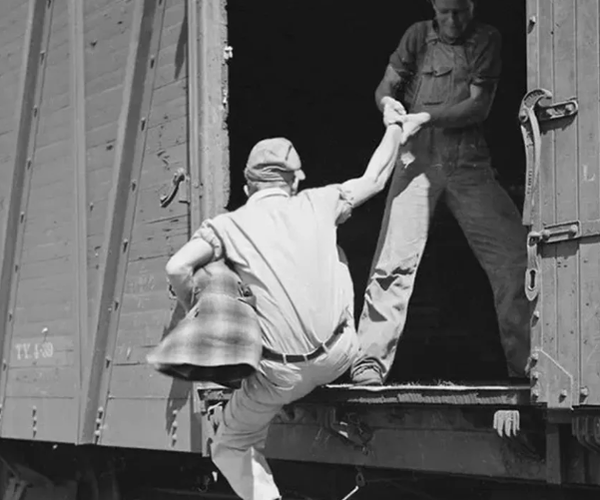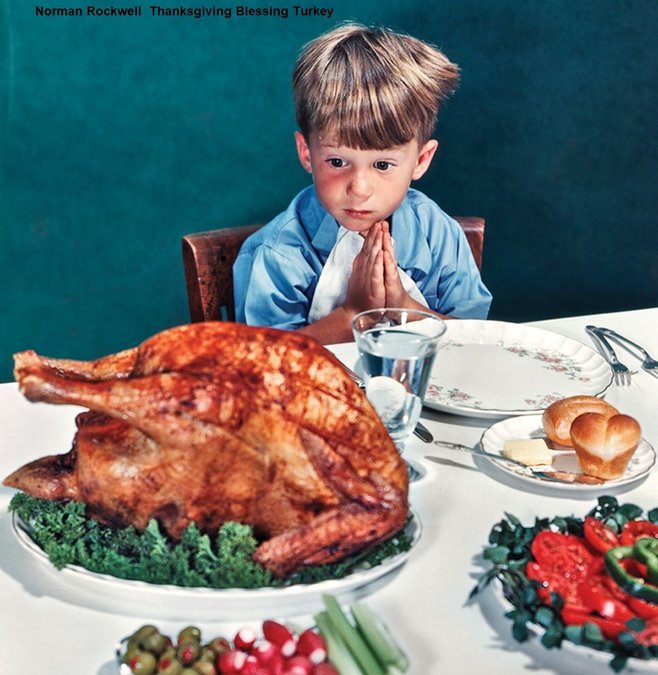
As you shop for a traditional Thanksgiving meal this weekend and are cursing high food prices remember to give thanks to American farmers.
No, that is not being sarcastic.
It’s crediting farmers for keeping their end of the bargain, if you will, as low as possible without going broke.
Yes, all the fixings for a Thanksgiving meal for 10 are coming in at 6 percent more this year than in 2025 according to the American Farm Bureau.
The cost is pegged at $58.63.
But what farmers get per unit for most major crops and milk — the exception today is beef — since 1976 is between 50 and 65% percent less.
USDA economists note since 1976 inflation has gone up almost sixfold while the farmers’ share of every retail dollar spent on food has dropped from roughly 35 percent in the mid-1970s to about 14.5 cents.
They need to basically grow/raise 2.5 times more food today than in 1976 just to stay even.
And they do that’s while dealing with rising costs for diesel, electricity, machinery, water, fertilizer, labor, and all of the other things that goes into the risky business of depending upon one to three paychecks a year that are at the mercy of Mother Nature to a large degree
Keep in mind the $58.63 cost for 10 this year reflects the ingredients and basic Thanksgiving fare. That includes making two pies from scratch, meaning prepared mix from a can and two pre-made pie crusts. The $7.72 price the Bureau quotes for two pumpkin pies skyrockets to $16 or more when you buy it at the grocery store’s bakery or even the frozen food section.
The menu includes a 16-pound turkey ($23.68), a dozen rolls ($3.81), a half pint of cream ($1.84), a pound of peas ($1.99), three pounds of russet potatoes ($4.20), a gallon of milk ($4.05), 12 ounces of cranberries ($2.48), 14 ounces of stuffing ($3.91), a pound of carrots and celery ($1.31), 30 ounces of pumpkin pie mix ($4.24), and two pie crusts ($3.28).
No one was moaning and groaning, by the way, during the past three years when the cost of a basic turkey day meal for 10 that wasn’t delivered by DoorDash, served in a restaurant, or including trendy foodie creations dropped.
The cost went from a record $64.05 in 2022 down to $55.18 in 2025.
The biggest increase this year is for the turkey that has jumped 10 percent.
The cost of food reflects not only production and processing but also the supply chain along the way including packaging, shipping, distribution, and retail store expenses.
But before you slam the supply chain, take a drive down Spreckels Avenue and turn onto DuPont Court.
There you will find Lineage’s 329,863 square foot Manteca refrigeration storage and distribution center.
If such facilities didn’t exist, Thanksgiving turkey prices would be sky high.
The ability to deep freeze birds has allowed turkey ranches to go from basically one flock of production a year to three flocks.
In doing so, it allows holiday demand to be met without prices going into orbit. And it takes a lot of PG&E juice to keep the birds frozen.
Californians that know their history understand the dynamics of supply and demand thanks to the Gold Rush.
Those eggs Food-4-Less was selling last week for $1.68 were going for $1 per egg in 1851. Beef was fetching $10 a pound compared to $7 today for ground beef. Oranges, if they were available, were 15 cents apiece.
Adjusted for inflation, that means folks back in 1851 in the California Gold Country including what is today Calaveras, Tuolumne, and Mariposa counties right here in the 209 were paying $43.83 per egg, more than $280 for a pound of beef and $58.63 per orange in today’s 2026 dollars.
In 2025, economic surveys showed households spent around 10 percent of disposable income on food compared to 24 percent in 1930.
That has freed up a lot of money to buy “necessities” such as iPhone 18s, Grand Theft Auto 6, and whatever fluff social media influencers are getting paid handsomely to hawk this week.
And while you’re lounging around stuffed after that holiday meal watching football or Netflix Christmas movies, keep in mind only 1.6 percent of this nation’s 349 million residents are employed in agricultural industries.
That’s down from 21.5 percent in 1930 and 64 percent in 1850.
It means you’re likely not getting up before the crack of dawn next Friday to milk the cows.
If you are rising early to hit the Black Friday sales, keep in mind you can spend a larger chunk of your disposable household income chasing down $99 TV sets thanks to the ingenuity, risk taking, and sweat of farmers and their workforces — citizens, legal immigrants, and illegal immigrants.
Yes, we have a lot to be thankful for this Thanksgiving.
We are living longer, pursue entertainment and buy gizmos our grandparents couldn’t dream of having, and have devices in our pockets with more computing power than was aboard Apollo 13.
And at — or near the top — of the thank-you list are American farmers and farm labor.