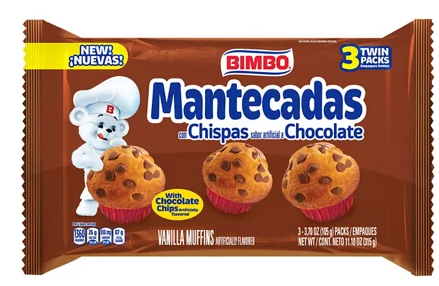
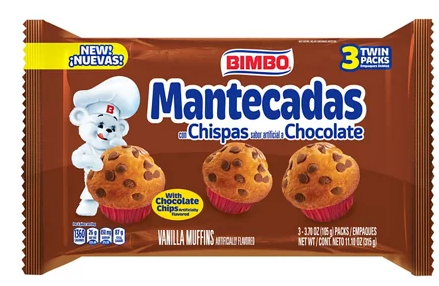
If you think it’s butter, but it’s not, then it might just be manteca.
No kidding.
Venezuelan cacao butter — known in Spanish as manteca de cacao — is prized in both chocolate making and skincare for its aromatic profile, natural fats, and smooth melting point.
If that sounds more uptown than a tub of manteca marketed by Armour Star at Food 4 Less, you’re right.
It’s what is so wonderful about the noun “manteca” as it apparently is as versatile as the word “aloha” and seems to represent more than just one thing.
Lard is so passe.
And just like there is more than one butter, there is
more than one Manteca.
While Manteca in California is by far the largest being on the cusp of 100,000 residents, there are much smaller settlements — villages or wide spots on the proverbial road in Latin America.
They include Manteca in the State of Apure in Venezuela, Manteca in the State of Oaxaca, an area in Cuba’s fourth largest city of Holguin in Cuba, and a place named Manteca in Panama.
The name Manteca is also connected to food, music, geography, and pop culture.
It should come as no surprise that manteca in Spanish and Mexican cuisine can refer to rendered pork fat used for frying and baking. Hence, Manteca de Cerdo, for pork lard.
It is used to make tamales, flaky pastries, and refried beans.
Of course, manteca also means butter and fat based in different regions and dialects.
Manteca is the standard word for dairy butter in locales such as Argentina and Uruguay.
There is also manteca vegetal for vegetable shortening plus manteca de cacao that means cocoa butter.
Mantika, a version of manteca, is Filipino cooking oil. It is a cross between Spanish and Tagalog.
Manteca is also a common surname, particularly in the northern region of Spain.
Some famous Mantecas include Albert Manteca (a soccer player from Spain), Jon Manteca (a Spanish activist that lived from 1967 to 1996), and a former Uruguayan soccer player who was known by the nickname “Manteca” — Sergio Martinez — and was born in 1969.
The Manteca name story
Speaking of names, that brings up the never ending question: How did the community that now encompasses the 95336 and 95337 ZIP codes come to be known as Manteca?
If you check shelves in grocery stores that have Armour Star containers of lard, the label’s flip side that’s in Spanish says “manteca”.
A page in the history book “Cities & Towns of San Joaquin County” penned by Raymond H. Hillman and Leonard A. Covello pokes holes in the railroad typo theory.
That is the theory that has been handed down generation to generation that says the Southern Pacific Railroad in October of 1897 gave the community the name that has stuck for 129 years and counting because the name locals at the time wanted was “mantequilla”.
Mantequilla is one of several Spanish names for butter or “manteiga” which is the Portuguese name for butter. The theory assumes the railroad shortened, butchered, or misspelled the name.
The authors doubt there was any local input to the name given the extensive number of dairies in the area that warranted a milk stop were devoid of Portuguese or Spanish dairymen at the time.
The authors contend the name Manteca came about because of Southern Pacific’s marketing strategy at the time to lure settlers westward to farm or move to growing cities was to apply idyllic sounding Spanish words when they could — not just to stops along the railroad tracks — but also for tract developments carved from the railroad’s massive land holdings.
That makes sense because manteca is used in Spanish to describe butter or lard. Mantequilla has only one meaning — butter — while manteca is listed as the word for “butter” or “fat” hence it being used to describe lard.
The need to rename the SP milk stop was because it was named Cowell Station after Manteca founder Joshua Cowell who introduced dairy farming to the area. There was a second Cowell Station farther south on the SP line named after Cowell’s brother Henry.
The story — or local legend — that said the name on railroad tickets for the stop was supposed to be “Monteca” but was misspelled by the railroad as “Manteca” has little credence if you research Spanish dictionaries as you cannot find the word “monteca.”
Although Mantequilla has a more pleasing and almost romantic sound to the ear the odds are SP employees who may have been playing off the reason the station existed in the first place to ship dairy products weren’t likely to go for the longer of the two words given not only would it have to appear on tickets but also signs and railroad maps.
That said manteca is more universally accepted as the word for lard in Spanish than it is for butter.
While it is likely that locals weren’t thrilled about the name and protested, it makes sense that the railroad didn’t change it.
To contact Dennis Wyatt, email dwyatt@mantecabulletin.com