Manteca has rhythm.
Just ask any serious student of jazz.
Manteca is considered the foundational song that pioneered Afro-Cuban Jazz.
It was selected in 2004 by the Library of Congress for preservation in the National Recording Registry for being “culturally, historically, or aesthetically significant.”
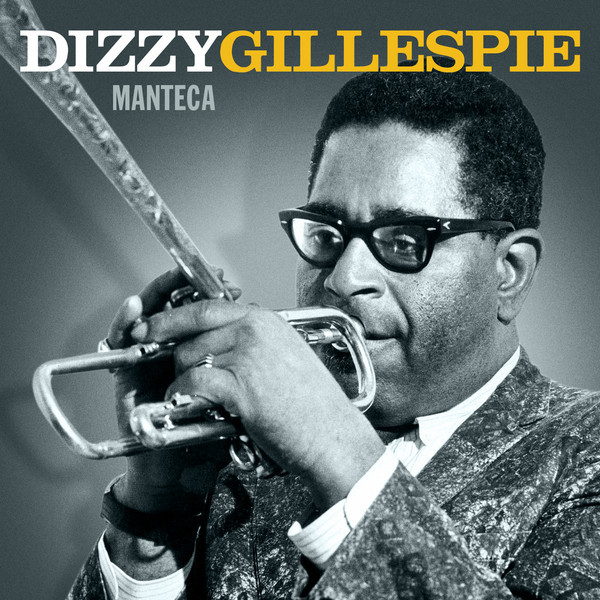
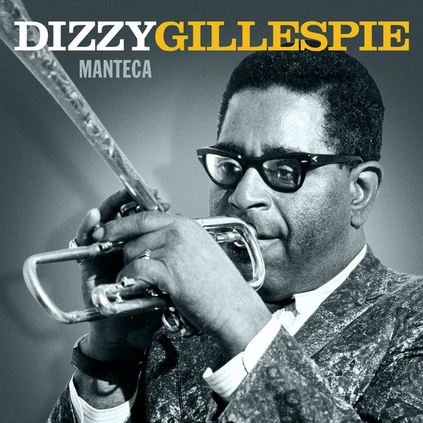
The musical masterpiece was created by none other than Dizzy Gillespie.
The American jazz trumpeter, band leader, composer, educator, and singer lived from 1917 to 1993.
Gillespie was touring California in 1947 when Chano Pozo, a rough living percussionist famous in Cuba, joined his band.
Pozo pitched the idea to Gillespie for the tune.
It includes a bedsheet of two eight-bar trumpet statements by Gillespie, Ponzo’s percussion patterns, and horn lines from Gillespie’s big band arranger Walter, ”Gil” Fuller.
The experiments with Afro-Cuban rhythms was referred to by Gillespie as Cuban be-hop.
The fact Manteca is a foundational song for Afro-Cuban Jazz means it erroneously has been considered by some to be the first authentic Latin jazz tune.
The distinction belongs to “Tanga” recorded several years prior.
That said, Manteca — that sounds like a high-voltage collision of Afro-Cuban dance rhythms and bebop jazz — struck a positive vibe.
Critics have described its signature sound as coming from “an insistent, driving groove anchored by a conga drums and a repeating bass ostinato over a 2-3 clave rhythm.
Manteca was first performed by Gillespie’s big band at New York’s Carnegie Hall on Sept. 29, 1947. The tune, that was well received, was recorded two months later.
The New Yorker and Life magazine praised Gillespie and Manteca for ushering in a new jazz genre.
The music magazine “DownBeat” described Manteca for making a primitive statement and referring to it as “almost a tribal rite.”
Manteca employed congas, bongos, drum kits, double bass, piano five trumpets, trombone, and five saxophones — two altos, two tenors, and a baritone.
Why name the song Manteca?
It likely had nothing to do with the fact it translates into English as lard - or in some places in Latin America — as butter.
Back into the 1940s, Manteca was used as an informal slang or illegal substances such as heroin and marijuana. It also was slang for money.
Manteca is considered one of Gillespie’s top seven songs.
Others include “A Night in Tunisia”, “Salt Peanuts”, “Groovin’ High”, “Tin Tin Deo”, “Woody ‘n; You”, “Oop Bop Sh’Bam”, and “Swing Low, Sweet Cadillac”.
Gillespie’s trademark bent trumpet with a bell bent at a 45 degree angle, was the result of a dancer falling into his instrument while performing on stage at Snookie’s in Manhattan on Jan, 6, 1953.
He had the trumpet straightened out a few day later but couldn’t forget the tone. Gillespie has a musical instrument firm produce him a 45-degree bent trumpet that would be his signature trademark.
In 1968, Gillespie converted to the Baha i Faith.
Three well-known jazz
bands went by Manteca
Among the bands that go or went by the name Manteca are three that became fairly high profile jazz bands is Manteca-based in Toronto.
Founded in 1979 is a large-jazz fusion and “pan-fusion” ensemble blending jazz improvisation with Latin, African, funk, and salsa rhythms.
They won the 1988 Juno Award for Instrumental Artist of the Year and performed at the Concord Jazz Festival.
Another is The Mantecans, an eight-piece ensemble based in London.
Then there is Manteca based in Perth, Australia as well as Manteca, a Cuban band leader ensemble.
Lodi might celebrate its footnote in the musical world for being the inspiration for the song on the flip side of the Credence Clearwater Revival’s as the flip side to “Bad Moon Rising,” the lead single from the album “Green River.”
Manteca, though, is credited with giving birth to an entire genre of jazz.
And, if the City of Manteca is ever in search for an official city song, Manteca just might fit the bill.
To contact Dennis Wyatt, email dwyatt@mantecabulletin.com