Manteca Police have been using automatic license plate readers for more than 20 years.
The technology — especially the deployment of cameras manufactured by Flock — has triggered controversy in various communities across the United States in the past year.
To address that, Manteca Police has prepared a presentation regarding how the system operates, what it is used for, as well as safeguards that are in place that will take place at Tuesday’s 6 p.m. City Council meeting at the council chambers, 1001 W. Center St.
It will also be streamed live over the city’s website via the video page, those watching on Zoom or Comcast Channel 97.
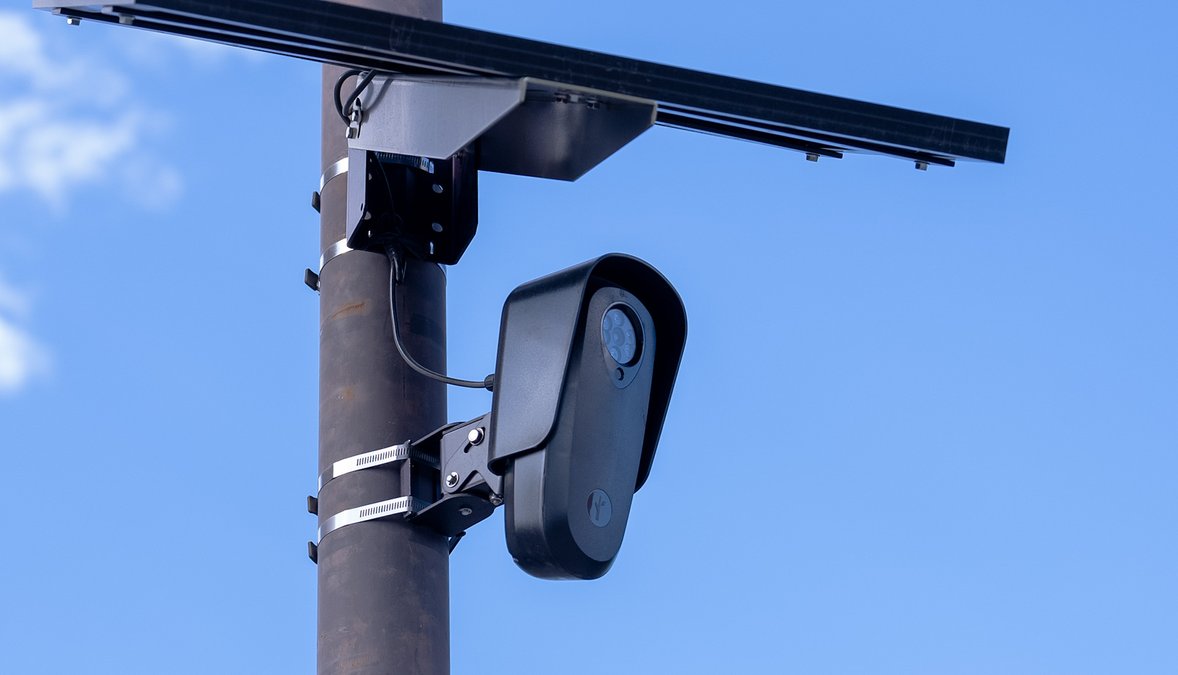
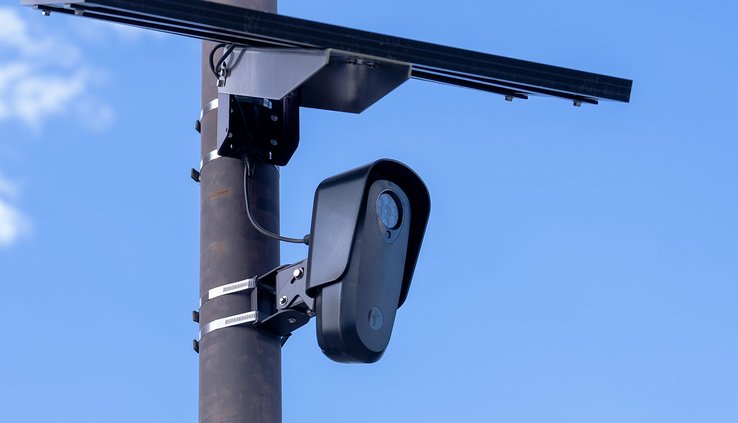
Flock Safety cameras capture information associated with vehicles traveling within the camera's field of view. This includes the vehicle's license plate and certain vehicle characteristics, such as make and model.
The system allows authorized law enforcement personnel to search captured vehicle information when there is a legitimate law enforcement purpose.
This may include investigations involving stolen vehicles, wanted persons, missing or endangered persons, vehicles associated with crimes, or other criminal investigations.
Information obtained from the system is considered an investigative lead.
An ALPR alert or search result does not, by itself, establish that a crime has occurred or that the driver or occupants of a vehicle have committed a crime. Officers must evaluate and corroborate the information as part of their investigation before taking enforcement action.
The Department has established policy governing the use of ALPR technology and access to the system.
Use of the system must be for a legitimate law enforcement purpose. Employees are prohibited from accessing or searching the system for personal reasons or for any purpose unrelated to their official duties.
ALPR system usage is audited monthly to ensure searches are being conducted appropriately and in compliance with Department policy.
Users are required to identify a law enforcement purpose associated with their searches, creating an auditable record of system activity.
Rumor versus reality
As the use of ALPR technology has expanded nationally, there have also been misconceptions regarding what the technology can and cannot do.
The following are amount the points being made in Tuesday’s presentation:
Rumor: Flock cameras use facial recognition.
Reality: Flock ALPR cameras are not being used by the Manteca Police Department for facial recognition. The system is designed to capture and identify vehicle-related information, including license plates and vehicle characteristics.
Rumor: Flock cameras track people's cell phones.
Reality: Flock ALPR cameras do not track cell phones. The system captures vehicle and license plate information from vehicles passing within the camera's field of view.
Rumor: Flock continuously tracks a person's movements.
Reality: The cameras capture vehicle information when a vehicle passes a camera location. Investigators may search available ALPR data when there is a legitimate law enforcement purpose. The technology does not provide the Department with continuous GPS tracking of a vehicle.
Rumor: An ALPR alert automatically means someone has committed a crime.
Reality: ALPR information is an investigative lead. Officers are responsible for verifying the information and establishing the appropriate legal basis before taking enforcement action.
Law enforcement capabilities
When used appropriately, ALPR technology can significantly reduce the amount of time required to identify vehicles associated with criminal activity.
Rather than relying exclusively on an officer or witness seeing and remembering a vehicle, investigators may use vehicle descriptions, license plate information, and other known investigative information to identify potential vehicles of interest.
The technology may assist with investigations involving:
*Stolen and wanted vehicles;
*Missing or endangered persons;
*Amber Alerts and similar critical incidents;
*Vehicles associated with violent crimes;
*Burglary, robbery, theft, and property crimes;
*Hit-and-run investigations;
*Locating vehicles associated with wanted persons; and
*Developing investigative leads when only limited vehicle information is initially available.
The technology does not replace traditional police work.
Instead, it provides investigators with another tool that can help identify leads, narrow investigative possibilities, and allow officers to more efficiently direct their resources.
Conclusion
The Manteca Police Department has utilized ALPR technology in various forms since approximately 2005.
Flock Safety represents the current generation of that technology and provides investigators with an efficient method of identifying vehicles that may be associated with criminal activity.
At the same time, the Department recognizes the responsibility that accompanies the use of this technology.
Department policy requires a legitimate law enforcement purpose for its use, system activity is audited monthly, and misuse is subject to discipline up to and including termination.
Flock is not facial recognition technology, it does not track cell phones, and an ALPR result is not evidence by itself that an individual has committed a crime.
It is an investigative tool that, when used appropriately and with proper safeguards, can assist officers and investigators in solving crimes, locating wanted or endangered individuals, and enhancing public safety.