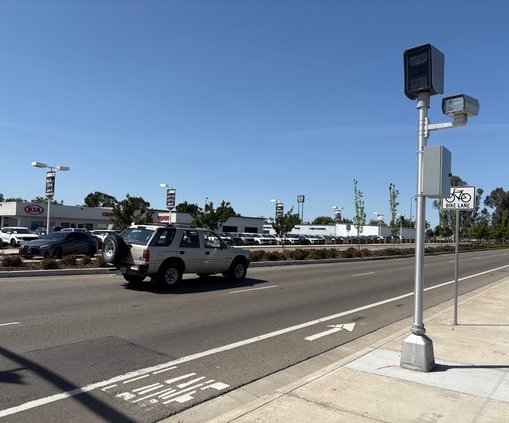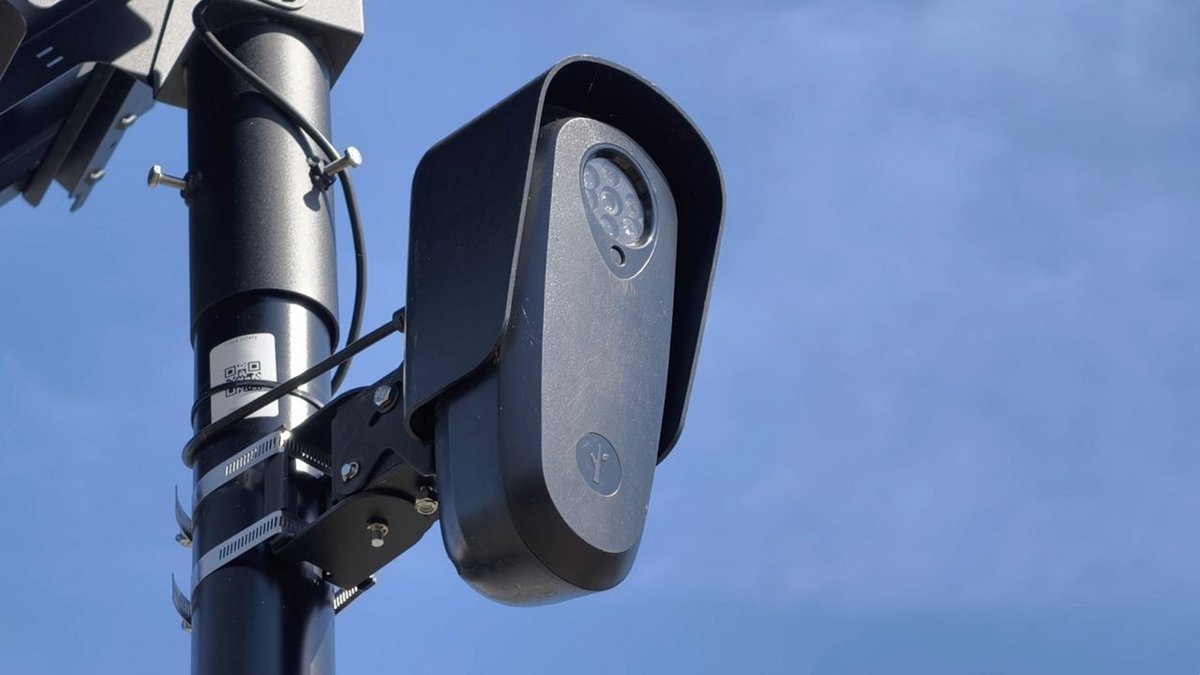
Manteca is adding six more Flock cameras at six city parks to go after vandals and criminals.
They will be placed at:
*Woodward Park near the $3.1 million splash pad project.
*Northgate Park near the restrooms and picnic shelter
*Library Park in downtown Manteca.
*Marion Elliott Park near the Lincoln Pool, picnic shelter, and restrooms.
*Morenzone Park on Center Street near the restrooms.
*the skate park along the Tidewater Bikeway near the PG&D substation northwest of Center Avenue and Elm Street.
Just like the other 82 cameras already in place at key intersections and high crime areas, the new Flock cameras do not have facial recognition or “spying” capability as some claim to access cellphone location data.
The Manteca Police Department has been using surveillance cameras and stationary license plate readers since 2005 as well as vehicle mounted license plate readers that back then were only on a handful of patrol units.
Councilwoman Regina Lackey did not vote for the expenditure of $55,000 over the course of the next three years adding six more Flock cameras onto an existing contract.
It is not that she doesn’t support the type of cameras and how they are being used by Manteca Police.
She had concerns about wording in the council’s authorizing motion that allowed the city manager and police chief to add cameras as they deem necessary as long as it was within budget.
Lackey felt strongly that the council should not delegate final approval for new camera uses to staff as she was concerned the council — as elected officials — would not be addressing concerns constituents may have about them.
Lackey believes the council, and not staff, needs to have the final say to assure a balance is struck between public safety and security and surveillance in general.
Police Lt. Ian Osborn, when asked by Lackey if there ever had been misuse of the cameras, noted nothing has surfaced during periodical audits plus there had never been any complaints made about the cameras.
Osborn said the park cameras that will be mounted on poles 20 to 30 feet above ground provide footage that police reviewing can identify clothing suspects are wearing and general descriptions as well as vehicles and other pertinent information
“We do it old school,” Osborn said noting police tend to known their “clientele” and can often recognize them in video footage.
It is how the city nabbed a person responsible for damage at Marion Park and an individual connected to a crime in downtown near Library Park when the city was using various companies’ surveillance cameras on a trial basis before deciding to go with the Flock cameras.
Pollice Chief Stephen Schluer, at the request of the council, will make a presentation at a future meeting on how Flock cameras work, how effective they are, the protocols the department follows, and address various myths as well.
There are 82 license plate readers (LPR) dispersed across Manteca.
They enable police to read license plates as well as search for specific models, colors, and identifying features of vehicles involved in the commission of crimes.
Of the 82 cameras, 69 of them are contracted with Flock and the remaining 13 are tied to the red light cameras.
The cameras do not replace police officers or reduce the need for more officers. They don’t per se prevent crime but instead help solve them.
That said, by helping solve crimes they can lead to the arrest of suspects and help reduce the potential for future crime is the subject is found guilty and sentenced through the justice system.
The LPR cameras provide evidence in cases the police have little or no leads for, establishes timelines, shortens the time needed to solve cases in general, assists with stolen vehicle recovery, aids in investigating hit and run accidents, improves response time, and bolsters investigations.
To contact Dennis Wyatt, email dwyatt@mantecabulletin.com