Jacob Naven is calling for a temporary moratorium on data centers in Manteca.
Naven, who is running for mayor in the Nov. 3 election, does not want to create a repeat of the gas station snafu where residents may be saddled with possibly accepting data centers that would be regulated based on city rules in place at the time applications are accepted.
"Data centers have a lot of pros and cons,” Naven said.
Naven noted there is no indication there is an application for a data center in Manteca— the mega versions are 1 million square feet plus or the size of the Wayfair distribution center along the 120 Bypass in Lathrop. But by not having rules in place, Naven said it could put the city at a disadvantage in making sure citizen concerns could be fully addressed.
In the case of the gas stations, several of the nine pending can’t be subject to any zoning or development rules the city is now implementing are located in neighborhood commercial zones.
Elected leaders, responding to community input, are now moving to not allow gas stations in neighborhood commercial zones going forward.
Data centers would be less of a neighborhood issue as similar uses are only allowed in industrial and business zones, but they would pose significant community wide policy implications.
Naven noted the county —- in the absence of any potential mega-data center applications — has put a temporary moratorium in place while working on zoning and regulations that assure community interests are taken into account.
He also pointed out State Sen. Jerry McNerney is taking legislative steps to ensure installation of infrastructure needed to deliver electricity to future data centers does not increase power bills for Californians.
“We need to take into account impacts just not on energy, but water,” Naven said.
Naven noted Manteca had roughly 20 percent of its allotted surface water treatment plant capacity remaining that is available through the South San Joaquin Irrigation District before a second phase of the treatment plant would be needed.
As such, Manteca — which doesn’t rely 100 percent of groundwater — would have a key data center need available.
In practical terms and depending on the exact water demand, a data center could slow down residential growth by consuming treatment capacity faster than projected.
Singh agrees with moratorium
pitch but offers a caveat . . .
Singh said he agrees with Naven that Manteca would be wise to consider a temporary moratorium on data centers to assess any zoning issues and such that can’t be addressed once an application is made.
“Water is very precious,” Singh said. “It’s like gold.”
That said, Singh said his research on the subject reveals there are more than just one type of data centers.
“Some use little or no water,” Singh said when compared to mega data centers the county is addressing.
There are currently 296 data centers in California, which has the third largest number among the states after Virginia and Texas.
The first mega-data center in California is being pursued near the Salton Sea in Imperial County.
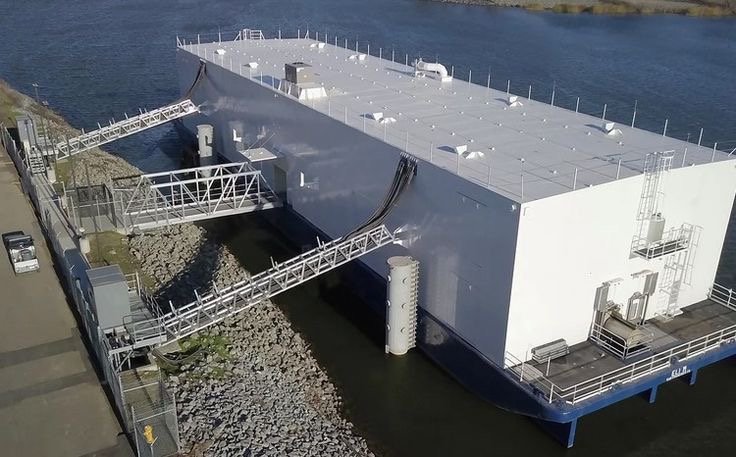
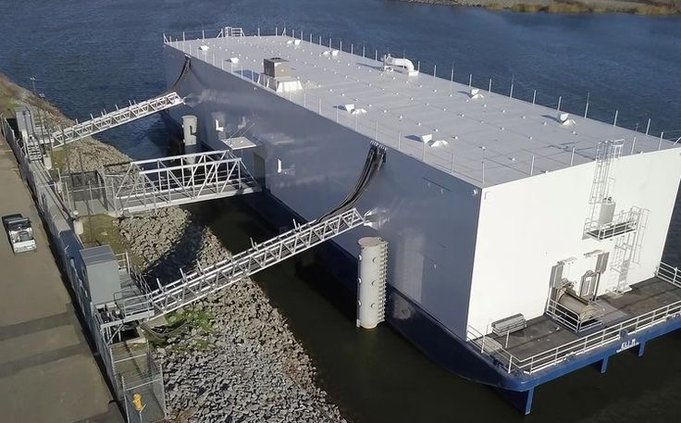
The closest data centers to Manteca are two in Modesto, one in Stockton on a floating barge, and one in Jackson.
The demand for more data centers is not only being driven by the artificial intelligence tech surge that directly employs a number of Manteca and other South County residents, but also day-to-day business use, and cloud storage accessed in endless ways including people uploading personal photos from their smartphones.
To contact Dennis Wyatt, email dwyatt@mantecabulletin.com