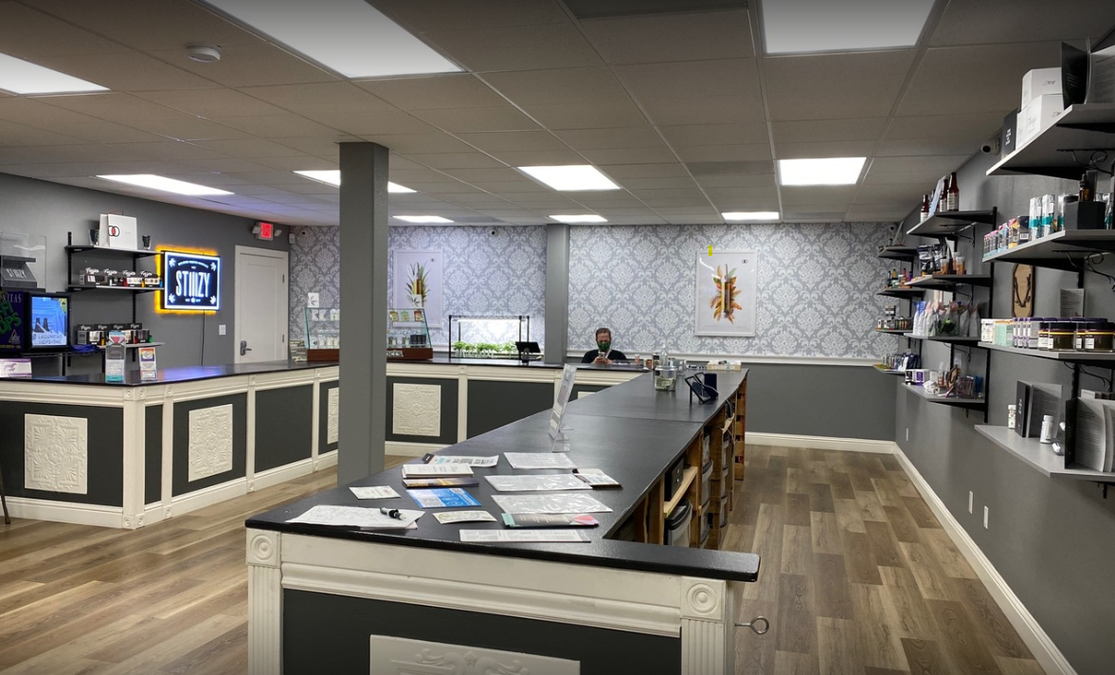
The question no longer appears to be whether Manteca’s elected leaders will bless storefront marijuana sales but how they will regulate them and where they will be allowed.
That’s because the majority of the City Council members have all but cast official votes favoring the concept.
They point to data that shows over 7,000 people residing in the 95336 and 95337 zip codes that compromise Manteca and surrounding rural areas have had their drivers’ licenses scanned to make initial purchases at marijuana dispensaries in the area.
Also noted was the fact the majority of Manteca voters backed Proposition 64 (52.4 percent) and Measure X (55.9 percent), state and county measures respectively that were designed to allow storefront marijuana dispensaries.
That’s why tonight’s council workshop on the city’s proposed cannabis retail sales ordinance is no longer a debate about “if” but “how” elected leaders will minimize any negative impacts and maximize benefits.
The workshop goes from 6:45 to 8:15 p.m. tonight at the Civic Center council chambers, 1001 W. Center St. It is also being live-streamed via the city’s website as well as being carried on Comcast Channel 97.
After a brief presentation, the meeting will seek input from council members and the public.
The biggest issues are likely to be:
*The number of marijuana dispensaries allowed
*Zones where they can locate
*Any local taxes in addition to fees that would be imposed
*How permits will be
*Security and background measures
Number of dispensaries
The council sub-committee of council members Jose Nuño and Gary Singh have recommenced the council allow no more than three dispensaries for the first two years.
Mayor Ben Cantu has advocated six to seven citing lines that develop outside of Modesto locations.
The rationale of more than one location is not to create a monopoly that could push prices higher and defeat and reduce the potential ability to reduce black market sales.
The capping at three for two years is also designed to make sure the city can effectively monitor dispensaries.
Cantu’s position appears driven by demand. And while that may seem like a non-issue, it reflects a basic theory that more competition helps keep prices down. Why that might be a concern of the city is two-fold.
If prices are low enough it could reduce the appeal of the black market which was one of the foundational arguments for legalizing storefront sales in the first place.
At the same time the perception of more competition may encourage more people to purchase cannibals products in Manteca and not spend their taxable dollars elsewhere. It is the same premise in the early 2000s that Kmart said spiked their local store sales after Target joined them and Walmart in Manteca.
Modesto has eight dispensaries for a population of just under 220,000 or one per 27,000 plus residents. Three in Manteca would translate into roughly one per every 30,000 residents.
Where dispensaries
should be allowed
Issues involve how close in proximity dispensaries may be to schools, childcare facilities, youth facilities, parks, residential zoned property, religious institutions, other cannabis businesses and such.
The state has a default distance requirement of 600 feet from K-12 schools, day care centers, and youth centers. The City Council may increase of decrease the allowed distance.
Singh has argued multiple zones would possibly allow dispensaries from becoming bunched up in commercial areas. Allowing them in multiple zones doesn’t mean they won’t end up being all located in commercial zones or even bunched up in the same area of town.
Clarification may be needed to determine whether prohibition against certain smoking-related businesses in the downtown district would automatically and legally apply to marijuana.
Given how several proponents have argued that dispensaries they have visited in the region are cleaner than surrounding business and how areas around them have seen a drop in crime due to stepped up onsite security measures dispensaries are required to have, there would not seem to be a drawback to restricting the number of dispensaries in zones that have high traffic uses.
The issue of local ‘taxes’
This is critical from a crime perspective as much as it is from a revenue perspective.
Councilman Charlie Halford argued early on that taxing storefront sales too high would do little if nothing to discourage black market sales that have a direct impact on crime beyond the illegal selling of marijuana. That’s because taxes could make the cost of legal pot high enough to not do discourage black market purchases.
Cantu’s philosophy that marijuana dispensaries are no different than other legal businesses would be an argument for not piling on a lot of additional taxes beyond the general 1 percent per $1 current in place plus the half cent public safety sales tax.
By having dispensaries in Manteca it would into the same rationale of the city working to lure Costco to locate here 13 years ago.
In that case, it brought back to Manteca taxable sales dollars that local residents were spending at Costco stores in Tracy and Modesto. The Manteca Costco, once it opened, lured taxable sales dollars from Lathrop and Ripon as well. Neither community has a Costco nor do they intend to allow marijuana dispensaries at this time.
All of that said Manteca is taking an approach that would bypass the need to secure voter approval for pot taxes by requiring Community Benefit Agreements (see accompanying story) for all marijuana businesses that are permitted.
In order to have a permit to operate the dispensaries would not to turn over part of their profits to the city.
How permits are issued
There is little stomach for a lottery system.
That’s because it would give the city the least amount of control as it who they allow to set up shop in Manteca.
While there are extensive background vetting of owners, the process of rating applicants for permits by their business plan and such and then going forward provides the city with more control than a lottery.
To contact Dennis Wyatt, email dwyatt@mantecabulletin.com