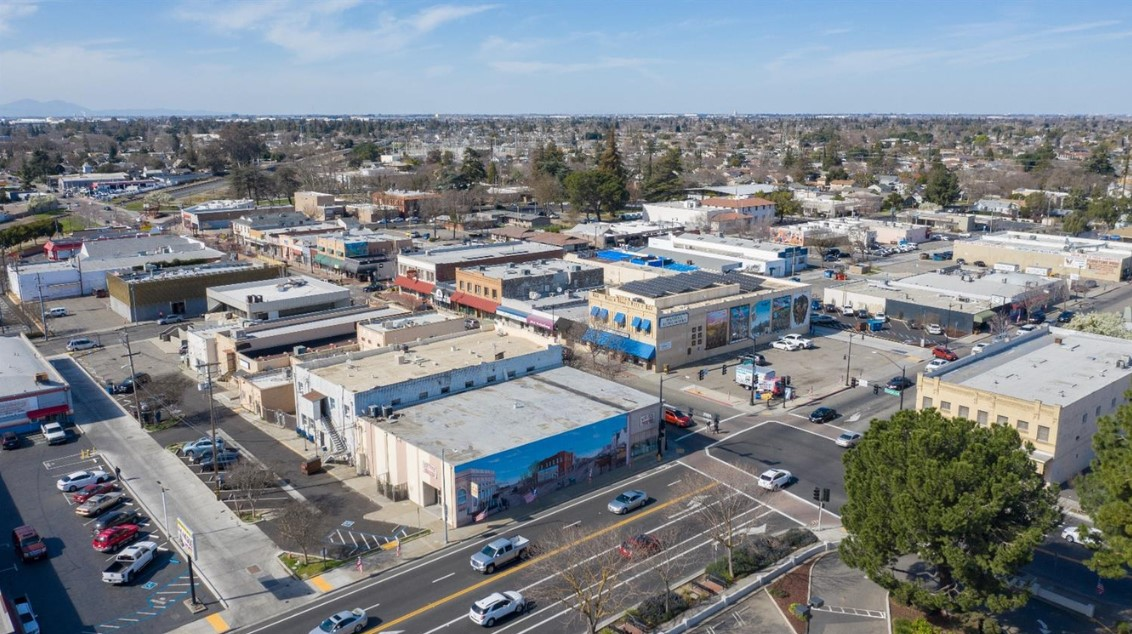
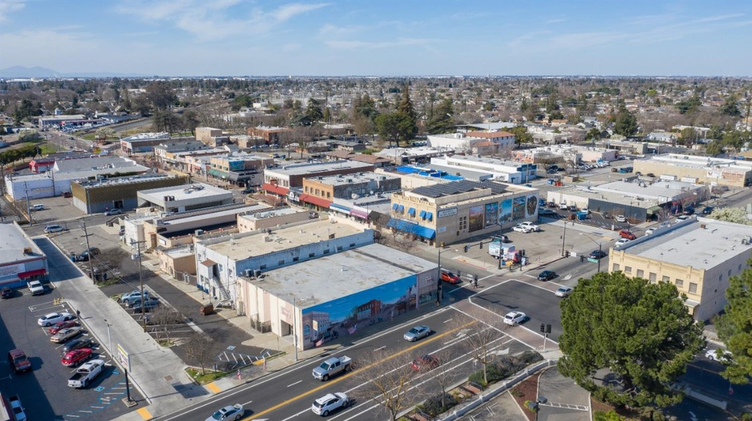
Sometime in the next two to three years Manteca will have 100,000 residents.
In another age, that would be a source of universal community pride.
But this is no longer California circa 1960 with 15.7 million residents, nor is it post-World War II, or even the heady times following the Gold Rush.
Today, growth — even if it is solid and well-planned — is considered a necessary evil at best and toxic at worst.
Those thoughts tend to be foremost on the mind of those who are basically the last to “arrive” over the past 30 years or so.
What now stands on what were once called the sandy plains of South San Joaquin County thanks to the sandy loam soil that turned into fertile farmland when irrigation water was added to the mix, is arguably beyond the wildest imagination of those who voted to incorporate Manteca as a city on May 18, 1918.
It’s is the direct result of non-stop community building.
Most areas in California are escaping state dictates that render residential growth controls meaningless through at least 2030 as well as state “poison pills” that trigger lawsuits from Sacramento when local jurisdictions’ creativity design work arounds to roadblocks that prevent them from undermining efforts to build more homes.
That’s because their locations — think Redding in Northern California, Ridgecrest in the Mojave Desert, or Firebaugh in the mid-San Joaquin Valley — put them far away from Coastal California where the biggest engines of economic growth exist and housing scarcity sends workers that keep those engines spinning to 60 miles or so inland to seek housing.
Manteca for decades has been working to avoid the community from being overwhelmed by growth by essentially preparing for it.
Councils — better remembered by those the community over the years by directly elected to serve as mayor — have been led by people like Trena Kelley, Jack Snyder, Frank Warren, Bill Perry, Carlon Perry, Willie Weatherford, Steve DeBrum, Ben Cantu, and Gary Singh have worked to put pieces of the puzzles in place.
The efforts of those councils put in place long-range solutions such as securing ground water and putting in place an expandable wastewater treatment plant.
Whether it is Spreckels Park, Big League Dreams, Bass Pro Shops, Great Wolf or snagging a coveted Dell Webb community they were all made possible by what previous councils did by councils that continued to build on previous foundations.
That brings us to the 2023-2026 City Council with Gary Singh as mayor, as well as council members Mike Morowit, Dave Breitenbucher, Charlie Halford Regina Lackey and Jose Nuno (who served through 2024 when he opted not to seek re-election).
A case can be made they will be remembered as the transitional council.
Do not misunderstand.
That in no way diminishes what other councils put in place or the actions they took that put in motion what was to follow after they left office.
Manteca for years has been heading toward a deadline, if you will.
That deadline was to put things in place that would serve Manteca as a small vibrant city and not the needs of a large town in a bid to keep a strong sense of community before it was too late to make a difference.
And nothing is making that possible as much as the three-quarter cent sales tax known as Measure Q.
There is a reason why an adequate and secure police station, a sixth fire station, back-logged roadwork wasn’t done and why unreliable fire engines and police patrol units were kept in front-line service.
It was inadequate funding.
Growth, under state law, can only legally pay for the share of amenities and infrastructure that each individual housing unit creates a need for the city to have.
But state law doesn’t prevent cities from leveraging developers that want to access bond funds to finance infrastructure within their proposed subdivisions so they don’t have to borrow the money to build it or to assure sewer allocations.
It is how the 2023-2026 council gained developer buy-in for an overlay community facilities districts requiring owners of each new home built — and those who are owners after future resales — to pay an annual fee in perpetuity to hire additional frontline police personnel and firefighters.
Already, the money flow from that effort is funding three new public safety employees with a lot more coming down the road.
Clearly, the transition is a work in progress.
The next council needs to address cultural and social needs of a growing city now that much of the public safety needs are in the process of being addressed.
High on that list is wedding Measure Q with growth fees to secure amenities such as a community center, swimming pool, and to develop a new community park to further address recreation, social, and cultural needs.
The next four years are crucial to making sure the last 108 years of progress can provide a Manteca for current and future residents that remains a prosperous and desirable place to live.
It will require building on the foundation of the current council just like the current council built on what previous councils have accomplished.
When Manteca reaches the 100,000 population mark, it needs to be positioned to be the best 100,000 resident plus city that it can be.