Whoopee! The California High Speed Rail Authority is bragging it has recently saved the public more than $137 million.
How can a project that was supposed to be completed between San Francisco and Los Angeles six years ago at a cost of $35 billion possibly be saving Californians money?
It can in the fantasy world of the state’s high speed rail administration that offers essentially lifetime employment for a staff of 400 bureaucrats.
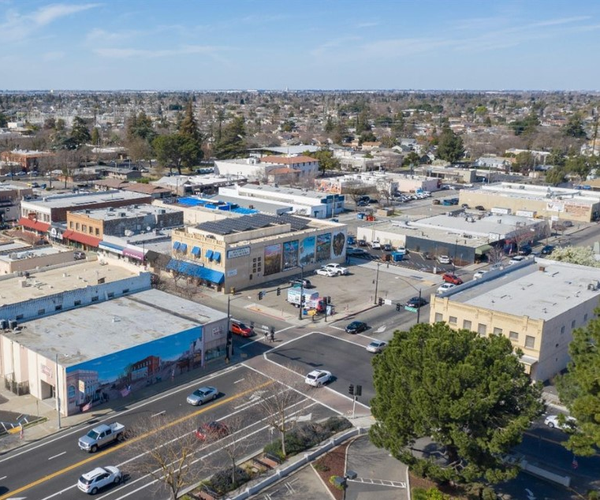
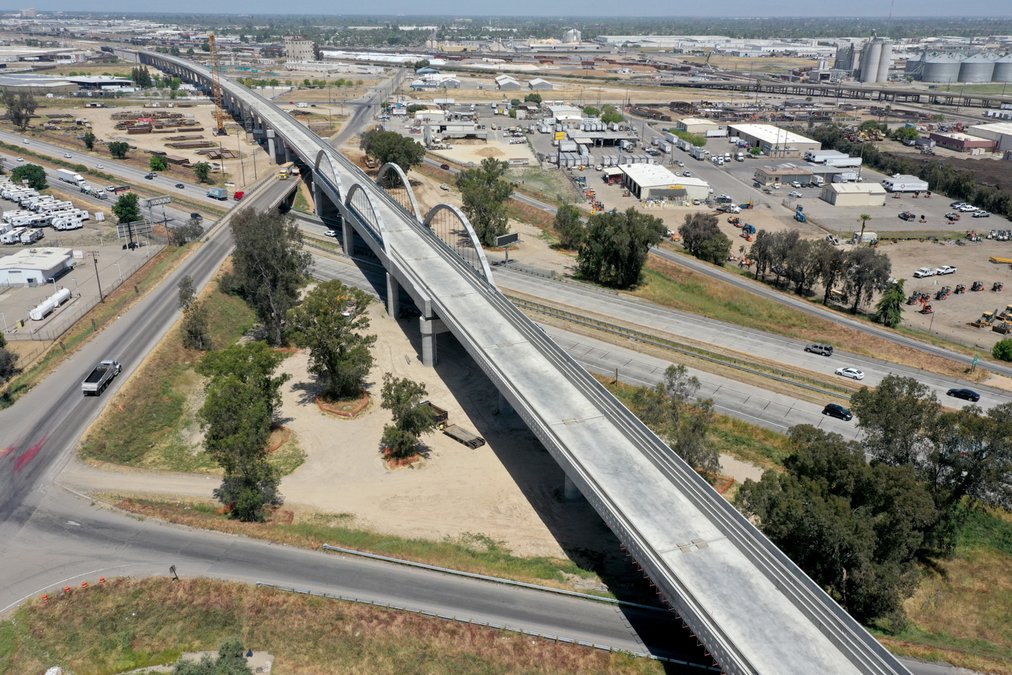
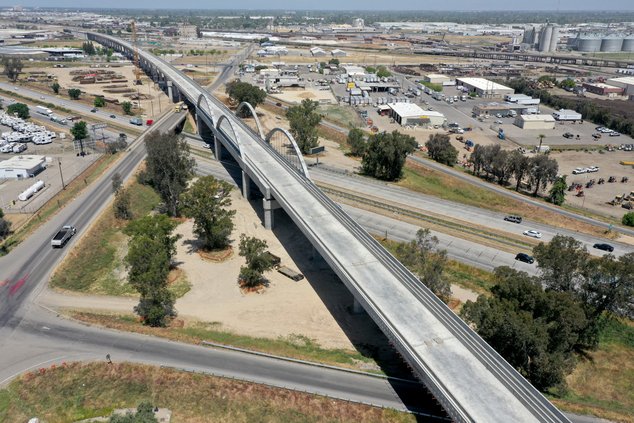
The $137 million savings gem was culled from the rail authority’s Aug. 11, 2026 press release celebrating the completion of the Corcoran Highway grade separation in Kings County.
It was the 62nd structure completed along the first 119-mile segments where the first track might be put in place seven years after trains were supposed to be swooshing along at 220 mph between LA to San Francisco.
Those 62 structures, according to the rail authority’s breathless patting itself on the back proclamation, will prevent 670 crashes over the first 30 years high speed rail is running though the mid-San Joaquin Valley.
That includes fatal, injury, and property damage collisions.
Thank goodness. High speed rail is saving countless lives and reducing financial pain for victims that never would have been threatened or created if high speed rail had never been conceived.
High speed rail — at-least California-style as overseen by the Three Stooges in Sacramento known as the Governor’s Office, State Legislature, and State Assembly — has morphed into the longest running joke and most expensive black hole in California history.
It is the biggest bust in the annals of public works projects.
And if you don’t think that is the case, check the scoreboard.
California Attorney General Ron Bonta has filed 100 lawsuits against the Trump Administration since he returned for round two in Washington, D.C., on Jan. 20, 2025.
One of those lawsuits stands out like a sore thumb.
And it’s not because the state lost it in court, but because Sacramento quietly dropped it without putting out a press release of how they were saving federal taxpayers $4 billion.
The federal government clawed back the money after the rail authority blew a number of deadlines required to secure the money and had no viable path forward to get the system up and running by 2033.
And this wasn’t ignoring the guy who rode into history via a down escalator in 2016.
All of the conditions were applied by Democratic administrations with the last “readjustment” to help California meet “stretched deadlines” being the Biden Administration requirement that the state at least enter into contracts by Dec. 31, 2024 to order train sets.
The rail authority didn’t do that until August of this year. They ordered three instead of the six in the original plan. And, to top it off, they have no way to actually pay for the train sets. The authority has indicated they are likely to lease the equipment instead of owning it.
Of course, that will add to the cost.
But what is a billion or six in additional cost overruns for a project that was supposed to be delivered for $35 billion between LA and San Francisco that is now pegged at $121.3 billion in an optimized draft business plan for the route issued in August?
It should be noted the rail authority’s own “non-optimized” tally for the SF to LA work is $231.3 billion.
Given the history of not just the rail authority but Sacramento as well, only a fool would bet against the $231.3 billion tab being on the low end and the $121.3 billion being a complete fantasy as was trains running at 220 mph between SF and LA in 2020.
Now the cost to get trains running in the first 119 mile segment is $33 billion.
Speaking of fantasy, if you think Sacramento is going to pull the plug on a massive infrastructure project rooted not in realism and practicality, you might want to take a drug test.
These are the same folks who are moving California toward 2035 when Sacramento’s decree ends sale of new vehicles that aren’t zero emission.
That action, that over the course of two decades once the prohibition goes into effect on Jan. 1, 2035, will bring gas powered vehicles on California roads to the brink of extinction.
The No. 1 driving force behind the project was reducing greenhouse gas emissions.
Governor-elect Xavier Becerra can save California from the money pit and free up much of the future money needed to connect the state with a functional and desirable rail system and use it for safety-net endeavors.
It does not involve pulling the plug per se.
But it requires a rethink.
A hybrid system going forward that uses existing tracks with modifications to improve safety and speed on both ends as the tracks approach the Bay Area and the LA Basin and switching to battery powered train sets is one viable option.
What isn’t viable is Sacramento channeling lemmings and continuing the insanity of California riding a high speed train to the poor house in terms of the massive opportunity cost of limited funds can be spent on other more pressing needs.