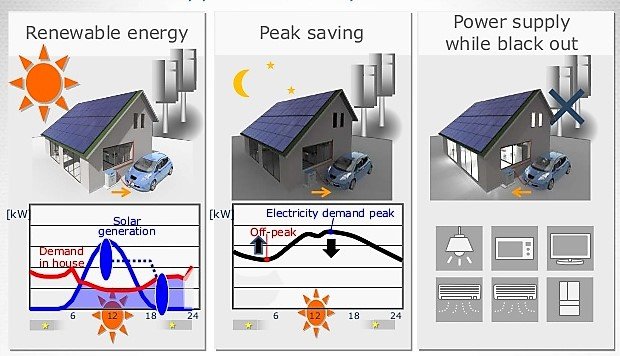
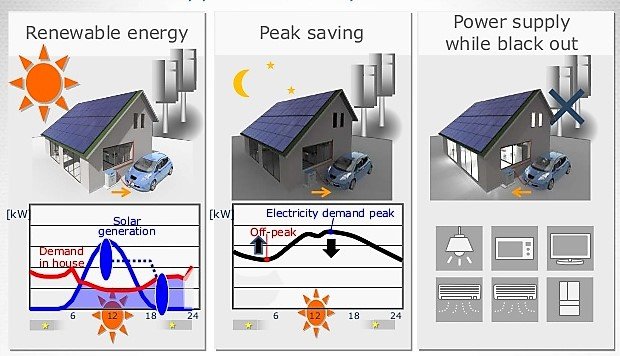
PG&E is working with General Motors on a pilot program to use electric vehicles to supply customers’ homes with electricity when the next round of “public-safety power shutoffs” return later this year.
The shutoffs are designed to prevent PG&E equipment from burning more Northern California communities to the ground during wildfire season.
This deserves a bravo on one level. But at the same time, it should give everyone pause about the foolish tendency we have as a society to put all of our eggs into one basket and to put too much faith in one course of action.
The foolishness of both strategies is underscored on how the world has been dealing with two diverging subjects — Russia and oil supplies — that three weeks ago became intertwined in such a manner the shockwaves are being felt in every corner of the planet.
There is no doubt climate change is real. It’s been going on for 4.5 billion years and counting. Man moves the dial but to what extent is open to debate.
Air quality on its own is a concern as is depleting finite resources.
That said the all or nothing approach we are taking to electric vehicles is as short-sighted and reckless as our continued appeasement of totalitarian regimes on the belief they will somehow see the light.
Being able to supply electricity to run a home when PG&E cuts the power is a good idea. But what happens in 2045 when the vast majority of Californians will be driving EVs due to attrition when the state under Newsom’s decree outlaws the selling of new vehicles in 13 years that aren’t zero emission.
Yes, the mandate doesn’t dictate they be electric but every state tax credit, tax break, research, and policy wonk have made EVs the chosen technology.
How shallow and short-sighted such a strategy will end up being can be found in the folly of having EVs power homes when the plug is pulled on electric service.
Such technology will only get you so far. Even if you are able to power a house that way for a few days it means the EV can’t be used to get from Point A to Point B.
And if PG&E cuts the power, people switch to their EV powering their homes and a wildfire starts several hours later you have created a situation where a vehicle essential for people to flee has had its batteries seriously depleted powering what eventually will be state mandated electric water heaters, air conditioning systems, refrigerators and such.
Then there is the reliability of electricity generated by moving water, wind, and sun. Drought reduces hydro power. Calm days still windmills. Cloudy days hamper solar while fog, night, and rain zap it.
Other issues glossed over nicely by the utopian 2035 mandate is how EVs would work for people in snow country or living in remote areas.
Perhaps someone living on 100 acres can put in a small solar farm to charge their vehicle but the combo of an EV and requiring your own fuel source is going to be extremely interesting to pencil out when it comes to comparing it with gas powered vehicles.
EVs come with their own environmental issues. It runs the gamut from recycling spent batteries to the how will California generate enough electricity to power 20.9 million cars and trucks, homes, facilities, schools, and businesses plus high-speed rail from hydro, solar, and wind.
Coal plants are clearly on the outs but in the world being envisioned so are natural gas fired power plants and nuclear power plants.
It is questionable whether current technology or that in the next 10 years or so will be able to get around the fact that producing massive battery farms to store electricity will require raw materials that aren’t exactly in abundance in the West or we lack the will to mine them due to environmental concerns.
None of those this is to argue we shouldn’t be moving toward EVs.
It does, however, underscore the foolishness of pursuing electricity as the only renewable fuel source worthy of a full-court press by the government.
Why not go after another reliable fuel source at the same time that can drastically reduce pollution. Compressed natural gas created from wastewater treatment plant methane gas and food waste
There are hundreds of potential “oil refineries” in California in the form of municipal wastewater treatment plants.
Manteca’s wastewater treatment plant is functioning as one.
Having vehicles that can run on manmade CNG or even hybrid EVs with engines that run in CNG can address limitations on an EV only approach.
And in terms of zero emissions a solid argument can be made they are more so than EVs given they greatly reduce the release of methane gas into the atmosphere by harnessing it to power vehicles plus address the issue of burying garbage.
Versatile vehicles such as hybrid EVs than can be powered also by CNG fuel available at filling stations can address the varied needs to regions in California where people are highly unlikely e to be able to access a robust network of charging stations or get enough mileage per charge to make things work.
There is also the problem of big enough batteries to power fully-loaded long-haul semi-trucks
The compressed gas made from methane created by the wastewater treatment plant process combined with food water powers Manteca’s heavy solid waste trucks. The technology for faster filling of such trucks to make them practical for long hauling needs to be pursued.
There are also other potential solutions such as finding ways to harness hydrogen to power vehicles that are in their infancy that should be purse in a much more robust manner.
Again, we need EVs.
But what we don’t need is painting ourselves into the corner with solutions that leave us vulnerable while passing on ways to generate history that reduce not man’s movement of the climate change needle but also address other pollution issues as well.
This column is the opinion of editor, Dennis Wyatt, and does not necessarily represent the opinions of The Bulletin or 209 Multimedia. He can be reached at dwyatt@mantecabulletin.com