It’s only three minutes long,
Its graphics are rather basic.
And its likely audience as YouTube videos go is extremely low.
But the video dubbed “Manteca Budget 101” could end up being the most critical component of a bid undertaken on the watch of Interim City Manager Toni Lundgren to take government transparency and communication to the next level.
Its theme is the basic nuts and bolts of a city budget’s purpose and how it is funded.
The message is laser focused.
Fifty percent of the revenue supporting day-to-day services such as police, fire, and parks comes from property taxes.
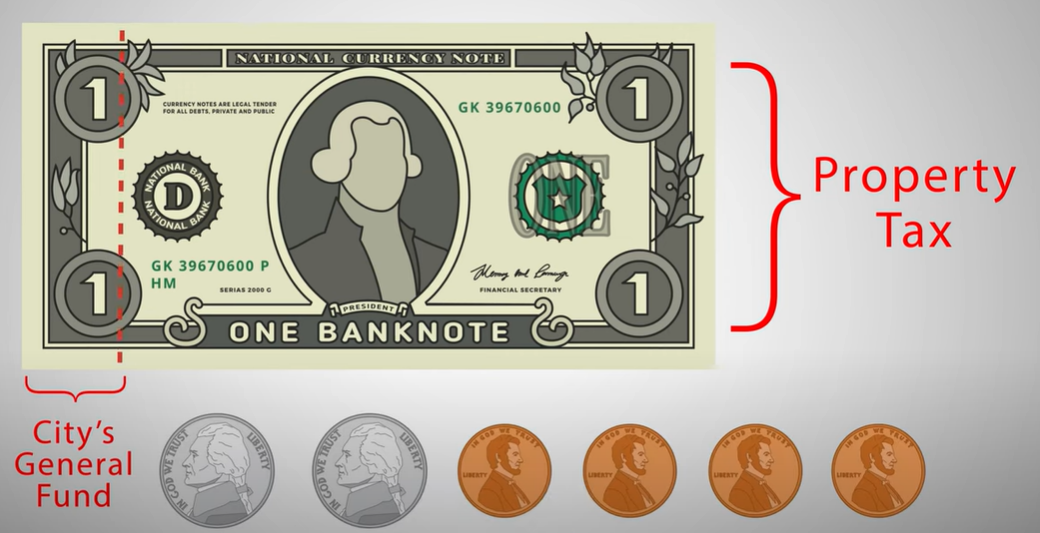
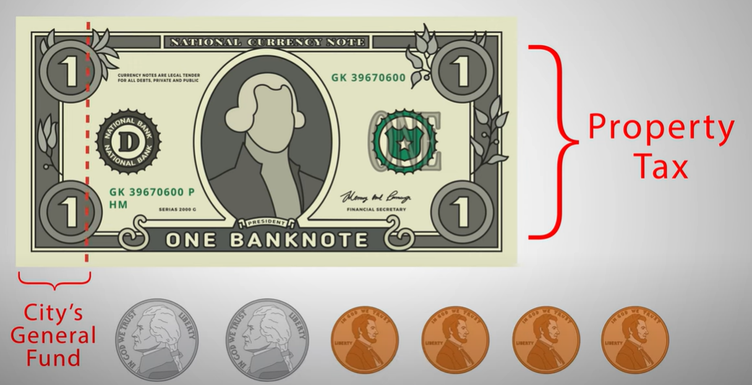
Manteca, however, only receives 14 cents of every general property tax dollar collected in the city. Roughly half goes to schools, 20 percent to San Joaquin County, and the rest to other agencies such as Delta College.
That means if your house is assessed at $300,000 your general property taxes paid in a year is $3,000. Of that, the city receives only $420.
The general fund receives one cent of every 8.25 cents you pay in sales tax at a Manteca store or restaurant. That accounts for 33 percent of the general fund.
The majority of the remaining sales tax — 6.25 cents — is taken by the state. There are two voter approved half-cent sales taxes. One is Measure K for road and transportation projects throughout the county and its seven cities. The other is Measure M that is currently funding 18 Manteca police officers and 18 Manteca firefighters or roughly 20 percent of the city’s frontline public safety manpower.
The third largest general fund revenue source are receipts from the 12 percent hotel room tax paid almost exclusively by non-Manteca residents.
In broad terms, there are two types of municipal funds — general and unrestricted
The general fund — projected at $67.2 million for the fiscal year starting July 1 — covers police, fire, parks, recreation, and street upkeep costs as well as general government. They are services everyone can use.
The overall budget is $205.8 million. The additional $138.6 million are restricted funds such as sewer, water, solid waste, road projects and more. The restricted funds under state regulations must be spent on the purpose they were collected for.
The video describes the budget in basic terms.
*It’s about people.
*The budget must be balanced, meaning revenues must equal or exceed expenses.
*Each fund controls personnel, operations, and infrastructure costs.
*The general fund is for services everyone can access.
*Restricted revenues can only be used for specific purposes.
Lundgren, who repeatedly stresses what makes the city work is its employees working together and not the city manager’s office per se, said the video will be soon posted on the city’s website and Facebook pages. It also will be used during community outreach meetings regarding the budget.
Mayor Ben Cantu praised the video noting a “lot of people have misconceptions” about how the city can legally use money.
An example is fees collected from growth for new parks or water bill payments can’t be used to repair streets.
The video is an effort to explain the byzantine maze of regulations and laws — mostly imposed by the state — that governs how the city can collect and spend funds.
And while it is an educational effort, it also is being used to frame the big ask the city is ramping up to request — an increase in sales tax. That ask may come as early as this November election. The next legal date under California law that cities can seek tax increases is during the November 2024 election.
Lundgren noted during Wednesday’s budget workshop conducted by the City Council if voters had approved Measure Z some 18 months ago on the November 2020 for a one cent unrestricted local sales tax it would have generated $20 million in the upcoming 2022-2023 fiscal year.
That is just over 30 percent of the general fund revenue the city is currently projecting to provide Manteca services.
And that is for a budget that is leaving unfunded over $37 million in pressing projects and roughly three dozen position needed to maintain current service levels stretched by growth.
To contact Dennis Wyatt, email dwyatt@mantecabulletin.com