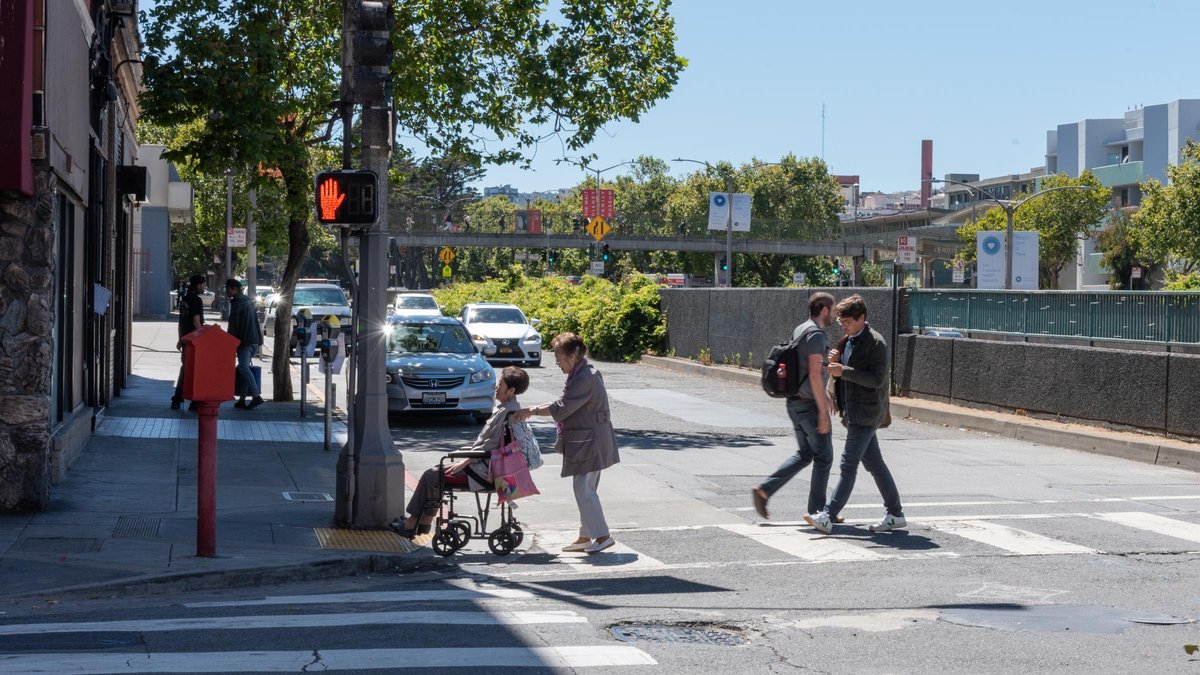
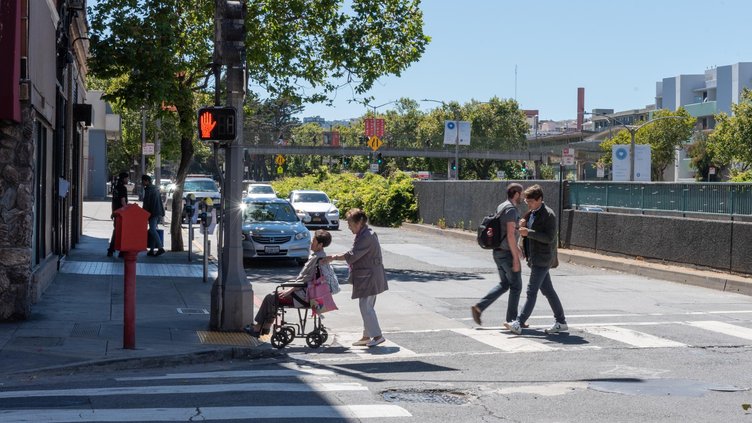
Excessive speeding is down 84 percent in San Francisco at 33 intersections.
The reason?
Technology in the form of speed cameras.
San Francisco is one of nine jurisdictions statewide allowed to use speed camera technology as part of a pilot program authorized by the California Legislature.
On Oct. 16, the San Francisco Municipal Transportation Authority announced excessive speeding — as defined by 10 mph or more above the posted speed limit — was down 84.9 percent over 18 months at the 33 intersections.
The city was issuing 500 speed camera citations on a daily basis after the 30-day warning period lapsed.
More than 50 percent of those tickets were for traveling 15 mph or more above the speed limit.
Those against the technology that has to pass a high litmus test for accuracy for the state to allow it to be deployed on California roadways, argue it is unfair, it is invasive, and it is unconstitutional.
Those against speed cameras — and their kissing cousins red light cameras — often express a general sense of outrage that technology is catching them in the act and not a police officer in person.
Besides the fact police are woefully outnumbered when it comes to combatting a wholesale disregard for traffic laws designed to create safe conditions and prevent chaos on streets, what about the technology advantage drivers have other pedestrians?
Pedestrians accounted for 24 percent of the road kill among California’s 4,061 traffic fatalities in 2023 based on state Office of Traffic Safety Data.
Technology has made it possible for non-pedestrians to pilot 4,000 pounds or so down city streets giving them a huge “unfair” advantage over pedestrians.
And that technology is used in an illegal manner under state law when red light running, speeding, tailgating, unsafe lane changes, or distracted driving causes a collision with other vehicles.
The “invasive” argument is built on the contention the freedoms of those not following the rules of the road as outlined in the California Vehicle Code are being eroded.
Is the state requiring all drivers to drive on the right side of the road and not have the option to drive on the left undermining personal freedom?
As for it being somehow unconstitutional for whatever reason, the Constitution is not a license for an individual to do what they want.
It never was and never will be.
There are 349 million people in the United States.
Most of them on any given day interact on a street whether it is as a driver, passenger, bicyclist, pedestrian, motorcyclist, or on some other transit device whether it is an E-scooter, skateboard, or Hoverboards.
The would be no order, just chaos, if 349 million people drove or crossed streets guided by their own set of rules.
The Constitution is a document used as the framework basis for civilization. It isn’t a wholesale declaration that people can do whatever they want to do when interacting with others.
Yet, it is referenced repeatedly by some of those earning speeding or red light camera tickets.
If you don’t want technology ticketing you for using the 4,000-pounds of technology you are driving there are fool-proof ways to make sure that doesn’t happen.
Don’t speed, don’t run red lights, don’t drive distracted, don’t turn on a red light unless you actually stop first, and don’t tailgate.
There are, according to state data, around 1,350 traffic accidents in California on any given day, The CHP believes that daily figure is closer to 1,500 once minor collisions between moving vehicles that go unreported are taken into account.
The inconvenient truth behind red light cameras and speed cameras is found in Centers for Disease Control and National Highway Traffic Safety Administration data.
In an average year in California:
uThere are 3,125 deaths by gun with another 5,068 wounded.
uTake out suicide deaths from the stats, and there are 1,515 deaths by homicide and 4,908 who are wounded. Suicides account for more than half of California’s annual gun deaths.
uThere were 4,061 traffic deaths on California’s roadways in 2023 out of 163,848 fatal and injury crashes.
uIn 2023, the were 226,965 people injured in California traffic crashes include 16,700 with serious injuries.
uThere were 11.1 traffic deaths per day on average in California in 2023 as opposed to 4.2 by gun homicide.
uSpeeding, red light running, distracted driving and driving under the influence were the main contributing factors in the bulk of traffic deaths.
The bottom line is clear.
Lawless driving kills, maims, and injures more people than guns at almost a 2.5 to 1 ratio when you take suicides out of the equation.
More needs to be done to stop gun violence but so much oxygen is being taking up in that debate that California has been allowing a worst killer to have almost free rein.
Red light and speed cameras are two tools being deployed to reduce the No. 1 cause of violent death and injuries in California — traffic collisions.
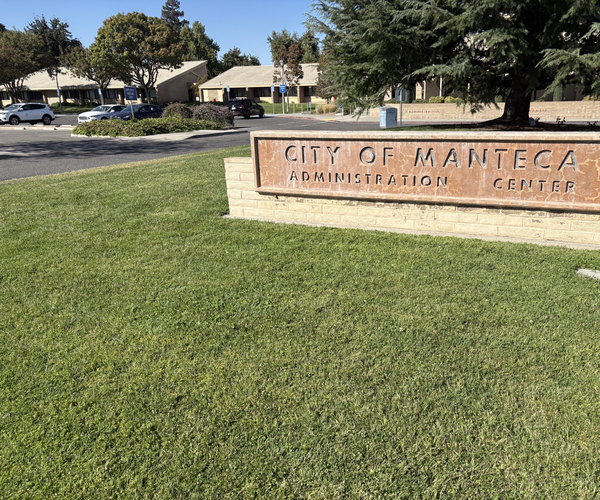
When the opportunity arises, Manteca needs to consider pursuing speed cameras as well.