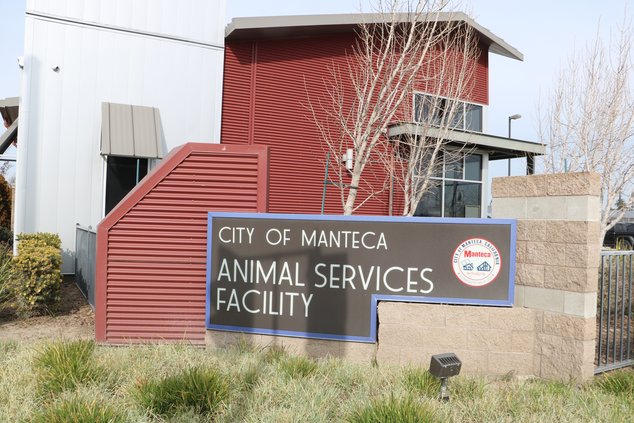
Some cities call it a “Vet in the Can.”
The City of Alameda simply calls it a relatively inexpensive way to establish a clinic at the animal shelter to allow for participating veterinarians to provide low cost spay and neutering clinics.
It’s a shipping container that’s converted into a clinic.
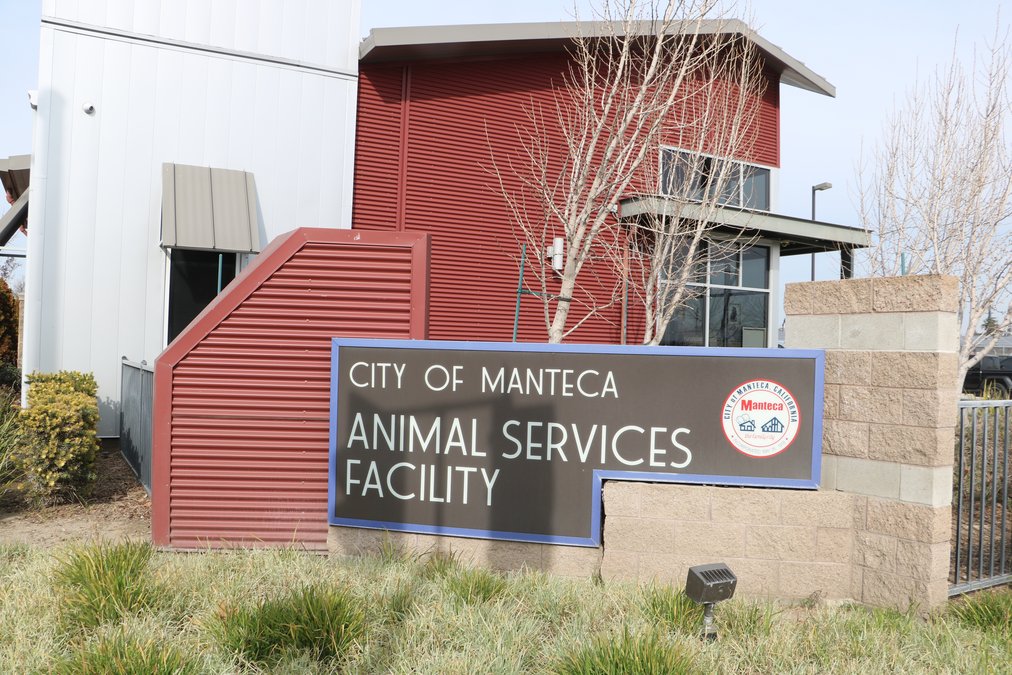
Mayor Gary Singh said it is an option the city is exploring as it starts moving toward expanding the city’s animal shelter at Wetmore Street and South Main Street.
“We’re looking at ways to get the most out of the money we have,” Singh said.
The city needs to expand animal space for kennels.
But at the same time, they are trying to tackle the perplexing problem of cat and dog births.
One idented solution advocated by organizations working to reduce the number of healthy dogs and cats being killed nationally is for communities to establish low cost or even free spay and neutering clinics.
A key is to have a facility where that can take place.
The Alameda clinic using containers was put in place for substantially less than a brick and mortar building.
The city has already secured an $850,000 federal grant to expand the animal shelter thanks to Congressman Josh Harder.
Measure Q sales tax receipts could also be tapped.
The city is continuing to meet standards to be recognized nationally as a no-kill shelter.
That means 90 percent of the animals that end up at the animal shelter have a “live outcome.” It includes pets being reunited with their owners, pets being adopted, or pets being transferred to rescue organizations.
The current shelter has:
*Two separate dog rooms. Each has 13 individual kennels designed with a door that slides up in the middle of each run. That allows doubling the available space for up to 52 dogs if needed. The kennels have a system where urine and smaller fecal matter can be hosed into using the wand system after larger droppings are collected.
*There is a separate room where animals — when needed — can be put to sleep.
*There is an examine room for treating animals.
*There are two cat rooms of which one is for the isolation of sick cats.
*There is an outside holding pen for larger animals.
*There is an extensive exercise area outside for dogs.
The design employed all of the latest standards adopted by the Society for the Prevention of Cruelty to Animals when the animal shelter opened in 2011 at a cost of $2.1 million.
To contact Dennis Wyatt, email dwyatt@mantecabulletin.com