By allowing ads to appear on this site, you support the local businesses who, in turn, support great journalism.
Measure Q plan calls for doubling street spending
measure q road
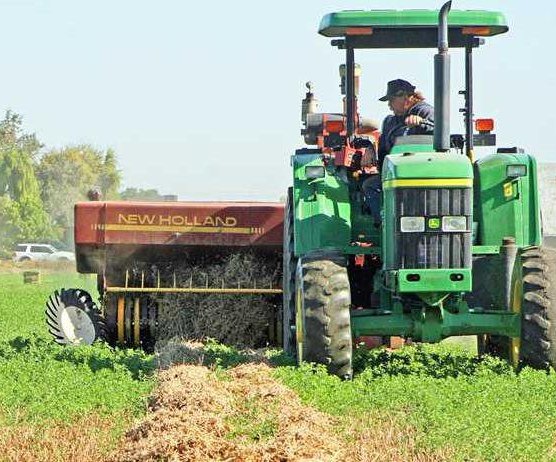
More Measure Q sales tax receipts will help augment street work in the fiscal year starting July 1.

Measure Q sales tax expenditures on Manteca street repairs and associated infrastructure is expected to more than double in the fiscal year starting July 1.

That is part of the proposed expenditure plan the citizens oversight committee for the 20-year three-quarter cent sales tax will review when they meet Wednesday, May 27, at 4 p.m.

Street-related Measure Q work in the current fiscal year was budgeted at $4.9 million. Of that, $1.4 million has been committed to projects starting in the coming months and has yet to be spent.

The plan calls for 77.59 percent, or $12.2 million of all projected Measure Q receipts in the upcoming fiscal year, to be spent on streets and infrastructure.

Ongoing road maintenance in Manteca historically has been funded by the city’s share of the state’s gas tax as well as Measure K — the half-cent countywide roads and transit tax — that is set aside to assist with the road maintenance budget of the county’s eight cities.

The state several years ago started scaling back gas tax revenue distributed to cities. In Manteca’s case, it has fallen by more $2.5 million a year.

The reasons for the state reduction to cities is two-fold.

The advent of more and more fuel efficient vehicles as well as a shift to electric cars — almost one out of every five new vehicles sold in California in 2025 were EVs.

The result is less gas tax revenues.

Rising gas prices do not change the amount of gas tax paid per gallon in California that is currently at 70.9 cents.

It does, however, increase state sales tax collections.

Every dollar increase in prices includes a dime more in sales tax paid.

Cities also benefit.

All cities receive a penny on each additional dollar paid per gallon.

Manteca also received half a cent for Measure M public safety personnel expenses and three-quarter of a cent in Measure Q collections.

The increased amount in sales tax will not allow local jurisdictions to backfill gas tax losses.

The other reason for the state reducing gas tax is Sacramento diverting more of it to state road projects.

In the Measure Q campaign, city leaders stressed the three-quarter cent sales tax would backfill gas tax losses as well as fund additional street repair projects beyond what has been done in an annual basis.

The decision to spend some of the remaining federal pandemic relief funds on new and additional road work equipment has allowed the city to do significantly more street repairs in house beyond small fixes.

Other projected Measure Q expenditures for next fiscal year are $1.75 million for fire, $1 million for police, and $753,100 for parks and quality of life endeavors.

The 2027-2028 fiscal year could see the first payment using Measure Q funds to build the new $92 million police station targeted to break ground in September.

City Manager Toni Lungren said, based on a 17 to 18 year payoff so the bond obligation can be paid in full before Measure Q expires in 2045, is projected to carry an $8 million annual debt payment.

Specific programming broad categories of Measure Q spending such as for specific street projects will be included in the proposed city budget being released next month.

To contact Dennis Wyatt, email dwyatt@mantecabulletin.com