Rent-to-own — a housing acquisition concept that typically gains popularity when there are times of high interest rates — is being mulled by the largest developer of new homes in the South County.
River Islands at Lathrop is weighing the concept as it explores ways to accelerate the build out of the 15,001-home planned community.
Current home sales are averaging 10 a week, a pace that if sustained, would mean the final foundation would be poured at River Islands in 16 or so years.
Cambay Group in exploring a plan to speed up home building by opting not to sell upwards of 4,000 lots to builders but instead build the homes instead.
They would be rental units that they would control. They do not want to sell any of the homes they build to investors per se in order to assure the community standards are sustained.
It is why they nixed earlier plans to have outside investors build apartment complexes opting instead for a path that would keep them in the Cambay portfolio once they are built.
Ideally, they would like to build all of the envisioned rentals in as little as four years.
There have been 4,200 homes sold so far in the overall development.
River Islands President Susan Dell’Osso confirmed the rent-to-own strategy is being explored but stressed they have not determined a way yet to make it “pencil out” financially.
If they do, however, it could have a major impact on the South County housing markets when it comes to builders chasing those in the market to buy a new home.
When developers elsewhere used the rent-to-own strategy for moving new homes they build, the process typically allowed for the buying of the home after one to four years with part of the monthly payment going to the purchase.
In previous times of high interest rates, such rent-to-own leases of one- to two-years allowed people a path they could take to become homeowners.
It’s biggest plus is that it essentially helps renters put aside money for a downpayment.
There are a sizeable number of households than can afford monthly housing payments but lack a downpayment.
River Islands brings somewhat different dynamics to the table than a home builder in Manteca, Tracy, or elsewhere in Manteca.
While new homes in all three cities have annual tax rates higher than the one percent, or $1 per $100 assessed valuation, due to various community facilities district add on, they are not nearly as robust as River Islands that is near the state cap of 2 percent.
The higher taxes-CFD fees finance a higher level of amenities that attract River Islands buyers where some new homes are selling for $1.1 million.
The other key dynamic is River Islands is clearly benefitting from the higher income of Bay Area households where families want to secure more home for the money or else take advantage of equity and buy a new home — and a new lifestyle — east of the Altamont Pass.
The overall regional market of homes closing escrow last month based on Redfin data shows the median price of homes of $600,000 in Manteca, $665,000 in Tracy, $724,000 in Lathrop, $735,000 in Mountain House, $1.1 million in Livermore, $1.4 million in Pleasonton, and $1.5 million in San Jose.
Rent-to-own programs, once run mainly by small operators, were popular with cash-strapped consumers during the 1990s. They faded a decade later when easy lending made it possible for almost anyone to buy a home with no money down, but with lenders setting a higher bar, they made a comeback in 2016.
River Islands envision a different
style of homes in rental neighborhoods
Cambay Group is exploring the idea of creating two highly walk-able neighborhoods targeting not buyers but renters.
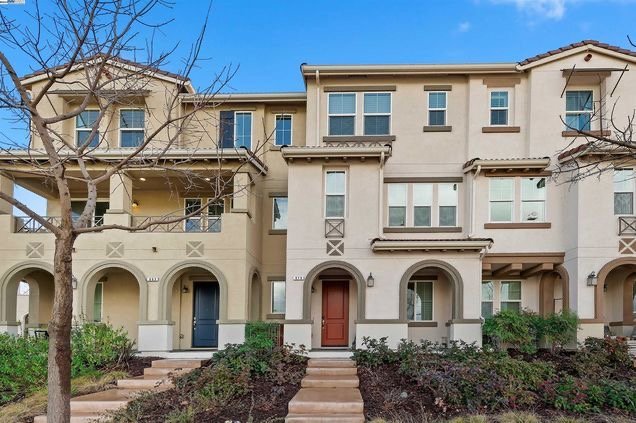
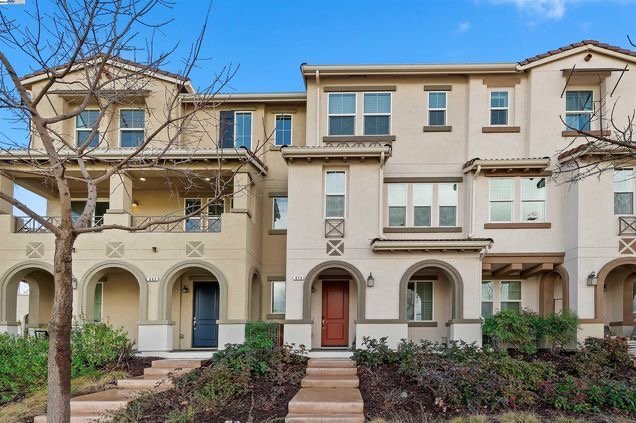
It would involve higher density housing much in the vein of the popular three-story townhouses surrounding downtown Livermore. There would be other high density housing types as well.
Livermore is the closest example to what they may create.
It has neighborhoods where it is very walkable to go to a restaurant, to get hair styled, do light shopping, or head to the gym among other possibilities.
As such, River Islands could end up targeting a multi-faceted niche market that exists that no home builder — whether it involves single family homes or apartments — is addressing in the Northern San Joaquin Valley.
That entails:
*Young couples and families just starting out that prefer to rent but want a lifestyle that is more urban and less suburban.
*Those that have no desire to put down roots with a mortgage but would prefer something more than an apartment and something less than a house that comes with a big yard to maintain.
*People who would like to be able to walk to access dining, shops, and amenities instead of being “forced” to drive everywhere.
The strategy could even involve appealing to those seeking a second home so part of the year they can be near families that have moved to River Islands or elsewhere in the valley as did a number of people who bought homes at Del Webb at Woodbridge in Manteca.
There are two areas being considered for such communities in the 15,001-home planned community.
One is in the southeast portion of the island east of Paradise Road.
The other is the transit village planned on the eastern flank of the island by the business park area along tracks that eventually will be part of Valley Link.
The first phase of Valley Link using electric-powered train sets to connect the Dublin/Pleasanton BART station to Mountain House is moving forward toward construction.
The second phase would connect with the Lathrop Altamont Corridor Express transfer station at Sharpe Depot with a stop at River Islands.
Each rental community would have roughly 2,000 homes each.
In such developer build-to rent-models, the developer handles the bulk of the property maintenance and upkeep.
That helps assure that the community aesthetics are kept up.
It also leads to situations where neighborhoods don’t end up showing wear and tear.
To contact Dennis Wyatt, email dwyatt@mantecabulletin.com