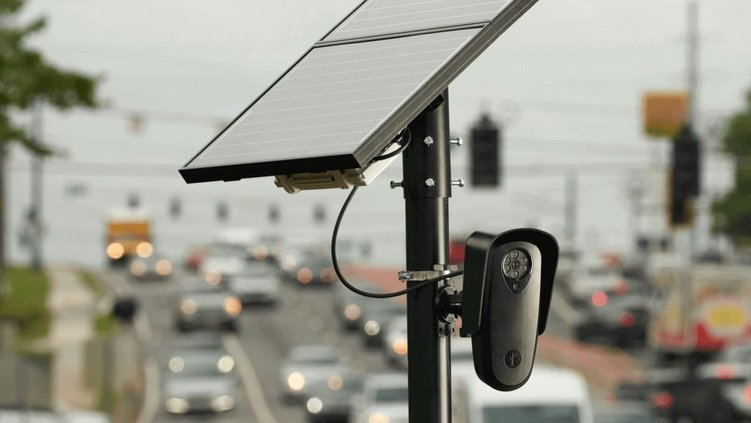
What would life be like in Manteca without automatic license plate readers?
There would be a 6.6 times higher chance that you’d be a victim of auto theft. Manteca would also be a criminal’s paradise.
Manteca nearly a quarter of a century ago had a big problem.
Auto theft was rampant.
In 2002 when the crisis peaked, there were 798 auto thefts with a population of 52,000.
Every 10.9 hours someone was having their vehicle stolen. There was a 1 in 65 chance your car could be stolen.
Last year, Manteca had 225 auto thefts with a population of 97,000.
Every 38.9 hours someone had their vehicle stolen. There was a 1 in 43l chance your car could be stolen.
The first LPR devices were mounted on several patrol vehicles on Charlie Halford’s watch as police chief.
The technology scans a statewide data vase of stolen vehicles and/or license plates. The officer is alerted within seconds if a license plate is on the list.
Before that, officers had no clue if a stolen vehicle was passing them or in front of them.
If a vehicle was being driven in a suspicious manner or there was a traffic violation or other legal justification for possibly instituting a stop, the officer would have to radio dispatch that in turn had to check the data base. That added significant time to the process.
But this is more than just a technology dealing with stolen cars per se.
It shouldn’t surprise you but most crimes are committed by people not driving their own vehicle or one with plates registered in their name.
They steal vehicles or just the license plates.
Manteca at the same time was being plagued by residential burglaries in excess of 400 annually. Today, the annual count rarely breaks into three figures.
Organized gangs would steal cars in one city such as Stockton, and then drive to another city like Manteca — and vice versa — to use them to commit crimes.
Most of the crimes they committed were residential and commercial burglaries with occasional armed robberies of stores.
Those crimes are down as well.
And license plate readers are a big reason.
It is part of technology that law enforcement uses to even the scales, so to speak, in a world where police are outmanned.
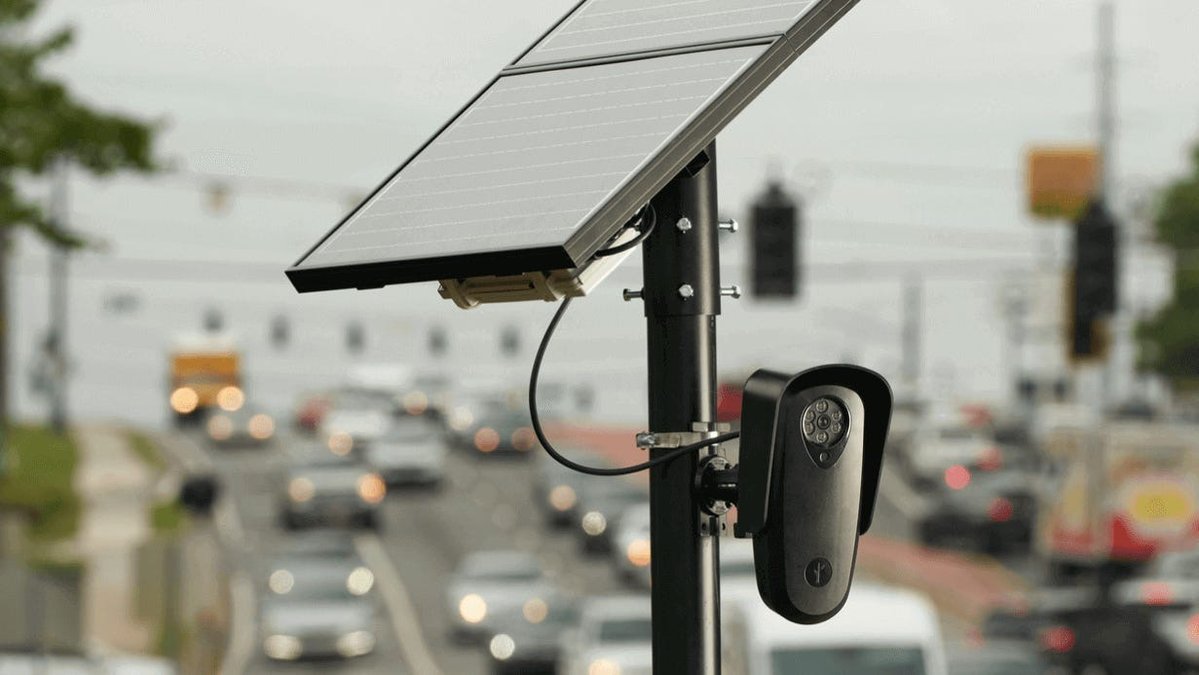
Manteca’s LPRs and related camera tech does not stray from the mission it is used for — reading license plates and catching footage of vehicles passing specific points and is in the field of view.
They are almost all stationary. The newer ones going in city parks can have the angle they cover remotely adjusted.
If you are worried about your smartphone being illegally “swept” as you drive past an LPR as you engage in the illegal act of texting and driving, your fears are misplaced.
They do not sweep smartphone data.
Not only do LPR’s lack such technology, but if you have a smartphone and are worried about your data being swept you might want to forgo smartphones, using apps, and browsing websites while taking Alexa permanently offline.
It’s been well-established the abilities tech has given such devices to collect and mine your personal data.
Police need a warrant to do that.
Tech firms don’t even have to flip a switch anymore as two recent reports of artificial intelligence acting on its own to attain a programmed objective without any human oversight or directive.
Buckle up, buttercup.
What you should fear are not LPRs but smartphones that are giving you the bad posture your grandmother warned you about.
Grandmother also wasn’t too far off the mark when it comes to being too close to a (TV) screen but instead of going blind it can lead to vision issues courtesy of the stockholders of Apple, Samsung, Google, and et al.
The incessant whining basically driven by the premise law enforcement should operate as 100 percent Luddites while those undermining their roles can enjoy carte blanche use of technology is the classic definition of situational ethnics.
Rest assured when someone has ransacked their house, stabbed a loved one, or shot up their neighborhood many of those same people would be screaming at the top of their lungs for justice.
They not only would expect police to scan LPR footage of vehicle movements that may be connected with the crimes, but would be slamming elected leaders for not equipping police with enough LPRs and such.
People also need to keep in mind this is California and not Texas.
And while those with extreme concerns about their privacy in public places beyond what is essentially perceived as ‘their person” tend to be bent hard left or hard right, California clearly has a much more aggressive stance when it comes to privacy laws and what police can and cannot do.
Throw out LPR readers and basic surveillance cameras you might as well erect billboards at city entrances proclaiming “Manteca is open for crime.”