Cameras are pointed at people non-stop in public places.
They range from smartphones and Ring Door Bells to security cameras.
Barely a peep is mentioned about privacy issues.
The reason is simple.
You have no expectation of privacy in a public space when it comes to being photographed.
Through the years, Supreme Court judges appointed by presidents across the political spectrum — and in various shades of red and blue within the Republican and Democratic parties — have re-enforced that legal principle.
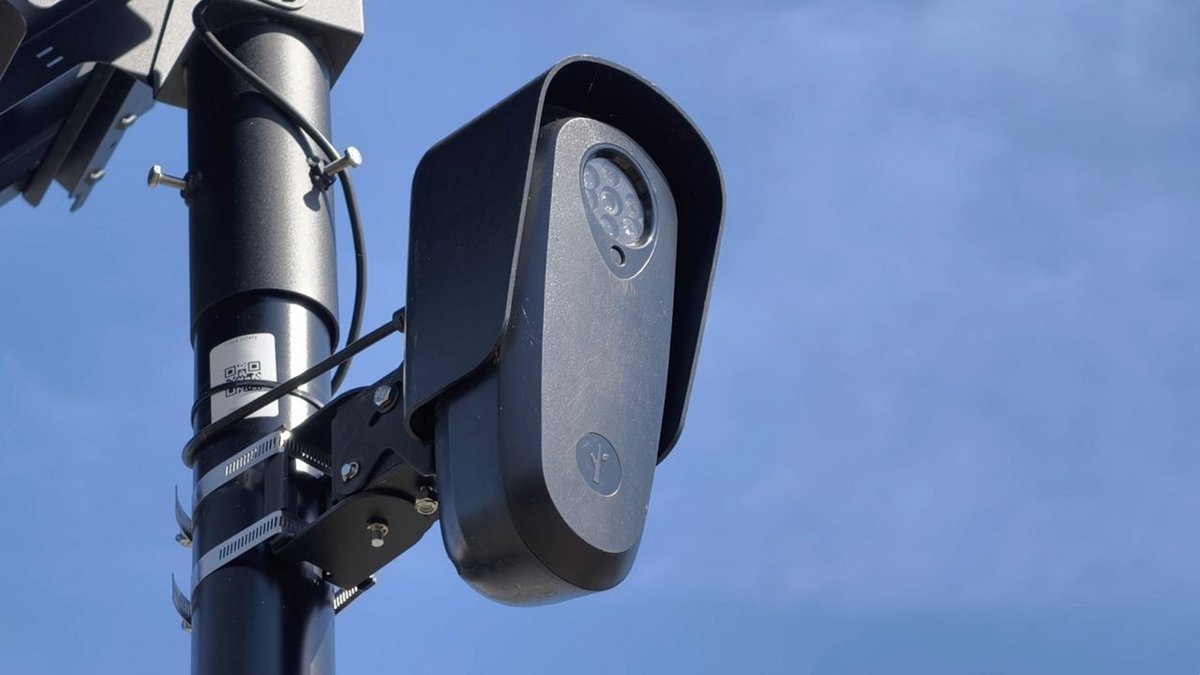
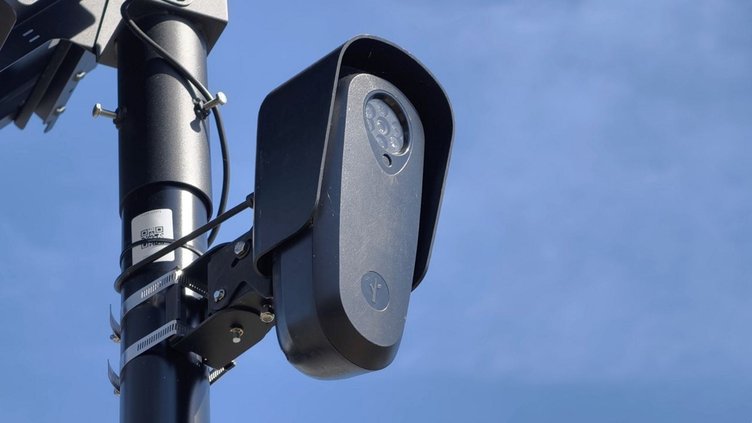
Yet, when police use their own cameras in the form of license plate readers placed primarily at intersections but also at locales such as the entrance to parking lots considered high profile targets for criminal activities some people scream foul.
And they scream foul loud enough that at least 50 of the 6,000 cities that allowed their police departments to use the Flock camera technology to solve and/or prevent crime have pulled the plug on their contracts.
While some of the backlash was the result of some law enforcement agencies that allowed the Border Patrol carte blanche access, the driving force is the assumption the Flock cameras are creating a police state in the vein of the world envisioned by George Orwell in the dystopian speculative fictional novel “1984.”
The Flock camera does not employ facial recognition.
Yes, they record more than license plates such as the name, model and color of vehicles as well as identifying bumper stickers and even things such as serious dents.
It is such recordings tied with other evidence police gather that were part of cases that have been built that have led to the arrest of more than a million arrests last year of crime suspects
And they do prevent crime.
Manteca Police — after a community service officer reviewed various footage from Flock cameras throughout the city — where able to identify a bank juggling suspect as he was searching for another victim in the parking lot of the Wells Fargo Bank at Center Street and Main Street last month.
Bank juggling is where a criminal looks for a mark leaving a bank with a large envelope and such in open view, a clear indication they may have withdrawn a large sum of cash.
After the target gets in their vehicle, they follow them. They then wait for an opportunity to present itself when the vehicle is parked and the victim leaves it to break into it and steal the money.
In some cases, the victim has been attacked and the money forcibly taken from them.
Officers made an arrest in the bank parking lot based on recorded evidence pieced together by Flock footage from other bank juggling incidents in Manteca that had a combined loss of $78,000.
The 25 year-old suspect from Antioch didn’t add to his take that day and he didn’t claim another Manteca victim.
The Flock cameras also alert police when they come across a license plate and/or car entered into the system as being stolen.
That has allowed Manteca Police to make a number of arrests of individuals driving stolen cars or cars with stolen plates.
A funny thing about stolen cars and/or plates. They are more often than not used to commit other crimes such as armed robberies, burglaries, and drive-by shootings. So, yes, the license plate readers do help prevent crime.
The reality is they primarily solve crime. But in doing so, the justice system then has the ability once an arrest is made to put that person on ice with a successful prosecution which means they won’t be committing crimes outside of prison for a set period of time.
Manteca has 82 such cameras — 13 tied into red light and 69 Flock cameras in an annual contact of $223,780.
Those cameras do not replace police officers, but they have made them much more effective at solving crimes and in turn — once an arrest and conviction is obtained — reducing future crime.
And, as Austin in Texas found out the hard way, they can get extremely dangerous criminals off the street quicker.
Austin in May was plagued with a series of 12 shootings and four vehicle thefts that left four people seriously injured. Austin was one of those 50 cities that cancelled their Flock contract.
Now the elected city leaders that canceled them want to bring them back.
Why?
The nearby town of Buda used its Flock cameras to collect identifying evidence after a shooting there that quickly led to an arrest with suspects involved in the shootings in both cities.
Manteca uses its Flock cameras responsibly.
Footage not pulled for a case is destroyed within 30 days.
Only authorized personnel can view footage.
Sharing with local agencies is on a case by case basis such as going after organized retail theft rings.
The Border Patrol, or any outside agency for that matter, is blocked from accessing Manteca footage.