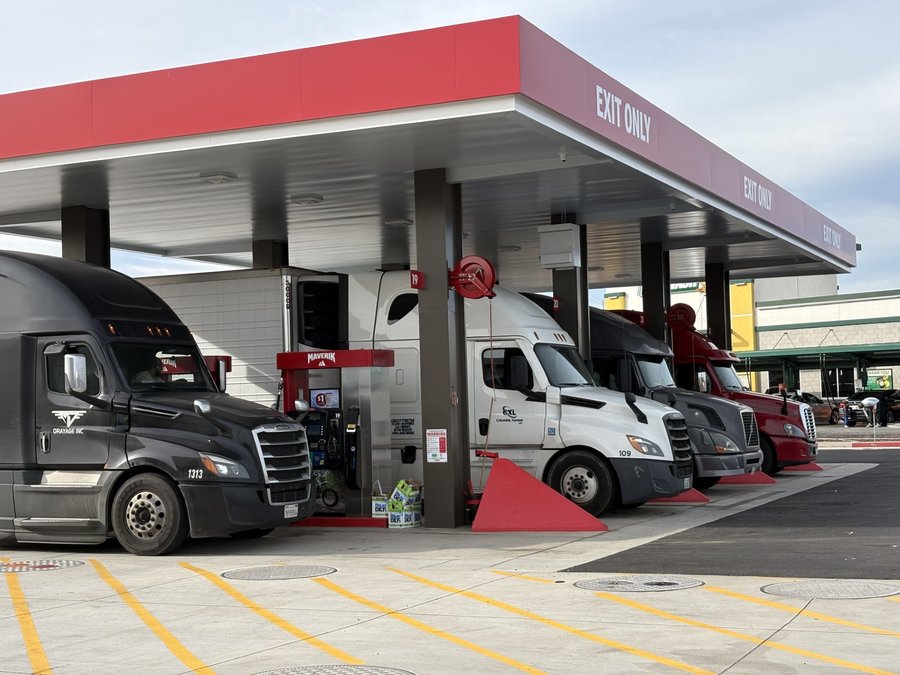
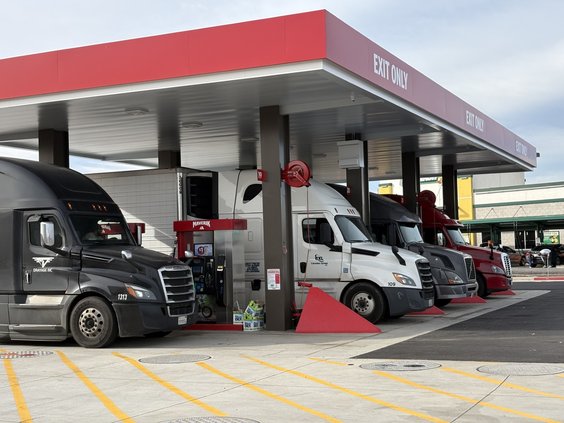
Manteca is planning for a temporary gas station moratorium.
But unlike the handful of California cities that have put in place outright bans on new fueling stations due to overriding environmental concerns, Manteca is doing so to establish more specific rules where future proposed stations can’t go and possibly requiring them to have EV chargers as well.
The earliest the emergency moratorium can come before the council is at the next regularly scheduled meeting which happens to be Aug. 18 given they’ve cancelled the next three regular meetings.
That means if some developer submits a complete application for yet another gas station between now and Aug. 18, they would escape being subject to new rules the council may ultimately adopt.
The odds of that happening are highly unlikely. There are already 33 gas stations in place, five with entitlements needed to build and four others in the planning process.
The gas station project at Pillsbury Road and Woodward Avenue that prompted Mayor Gary Singh in December to originally call for the council to consider a gas station moratorium of some sort, has been officially withdrawn.
The temporary moratorium, based on council comments Tuesday, has 100 percent council support.
It would go into effect for 45 days. The council would have the ability to extend it once for a maximum of 10 months and 15 days.
Staff, however, is not waiting for the temporary moratorium to officially be adopted to start working on new gas station development rules for the council to consider.
It was clear that the council believes the numbers of EVs will continue to grow but the transition to a fossil free California when it comes to vehicles will likely take decades longer than Sacramento’s preferred timeline.
Councilman Charlie Halford noted technology is still evolving as he shared a story of a friend planning and EV trip to Seattle was told by the manufacturer’s app he’ll need to stop to charge it eight times on the way.
Councilwoman Regina Lackey pointed out Manteca, anxious to build a destination city economy around the Great Wolf resort and Big League Dreams sports complex with the 120-acre family entertainment zone project, could ill afford to discourage visitors that drive gas powered vehicles.
Councilman Dave Breitenbucher was weary of imposing a ban that would impact a lot of small businesses that employ a number of people whether they are an independent or a franchise owner.
Councilman Mike Morowit — who owns both an EV and what he called a “gas guzzler” — said there are pluses and minuses with both technologies.
Various council members pointed out EVs don’t have emissions but their battery manufacture and disposal have created a new set of environmental concerns. They also noted EVs don’t pay for gas taxes that are the primary source of road construction and maintenance funds plus they are heavier than comparable gas vehicles meaning they wear down pavement more.
There was also concern an artificial cap on gas stations would place an upward pressure on prices as the city would be eliminating additional competition for existing stations.
Mayor Gary Singh noted the vast majority of Manteca residents — including many buying new homes in the rapidly growing southwest portion of the city — drive vehicles fueled by gasoline.
At the same time, very few lower income families can afford EVs.
Why is Manteca suddenly the
place for gas stations to be?
Manteca, in the past three years, has seen five new gas stations open plus a major expansion of the fueling pumps at Costco.
That brought the number of gas stations to 33.
It translates into 3.5 gas stations per 10,000 residents versus 3.62 per 10,000 in Modesto.
The area average is 2.6 per 10,000 residents while the state average is 2.65 per 10,000.
And if the five entitled stations and the four that are in the planning process, the ratio will jump to 4.3 per 10,000.
Manteca had 67,000 residents in 2010.
By 2020, it had 83,000 residents.
Today, Manteca’s population is pushing 97,000.
There were three new gas stations that opened between 2019 and 2022
But that is only part of the story.
Data shows between 2020 and 2024 the amount of gas pumped in Manteca jumped almost 15 percent going from 36 million gallons to 41 million gallons.
That occurred even though EVs sales in 3 of those 5 years hovered around 20 percent of annual new car sales with fuel efficiency steadily increasing.
Manteca’s continued growth in population that commutes long distances to the Bay Area is one reason why gas sales are increasing.
It also helps Manteca is benefitting as well as growth as regional commuter hub with easy-to-access stations on the 120 Bypass and Highway 99 peeling off gas sales from communities to the east and south.
The expansion of dining options at Yosemite and Highway 99 where Highway 120 goes from freeway to highway for Bay Area-to-Sierra staycation traffic and similar growth at Airport Way and the 120 Bypass also prompts some drivers to fuel their vehicles as well before getting back on the road.
Manteca’s reputation as a city of supercomputers also helps.
The other big change in the last 5 years has been steady occupancy seven days a week at Great Wolf that also fuel in Manteca to avoid somewhat higher prices in the Bay Area.
It is those numbers and draws that apparently is shaping the direction Manteca’s leaders are headed.
They want to encourage gas stations on the freeway corridors that bring more sales tax revenue to the city but make sure that gas stations don’t end up clashing with the quality of life in residential neighborhoods.
To contact Dennis Wyatt email dwyatt@mantecabulletin.com