Manteca is employing a lot of carrots to get people to conserve water before having to resort to sticks.
The list of incentives includes rebates for the purchase of water efficient washing machines and low flow toilets to reimbursement for the removal of existing front yard grass for more water miserly landscaping.
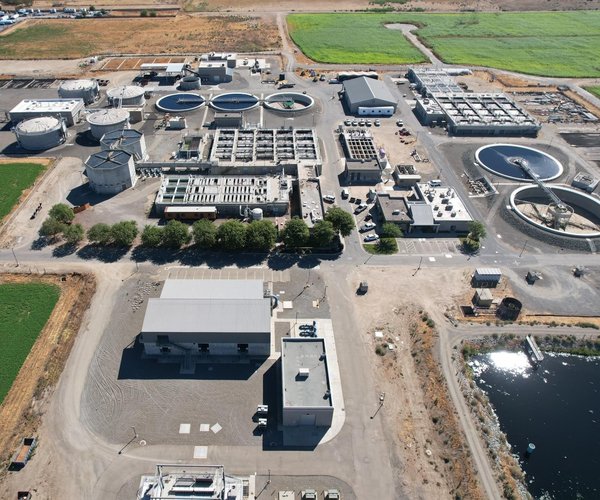
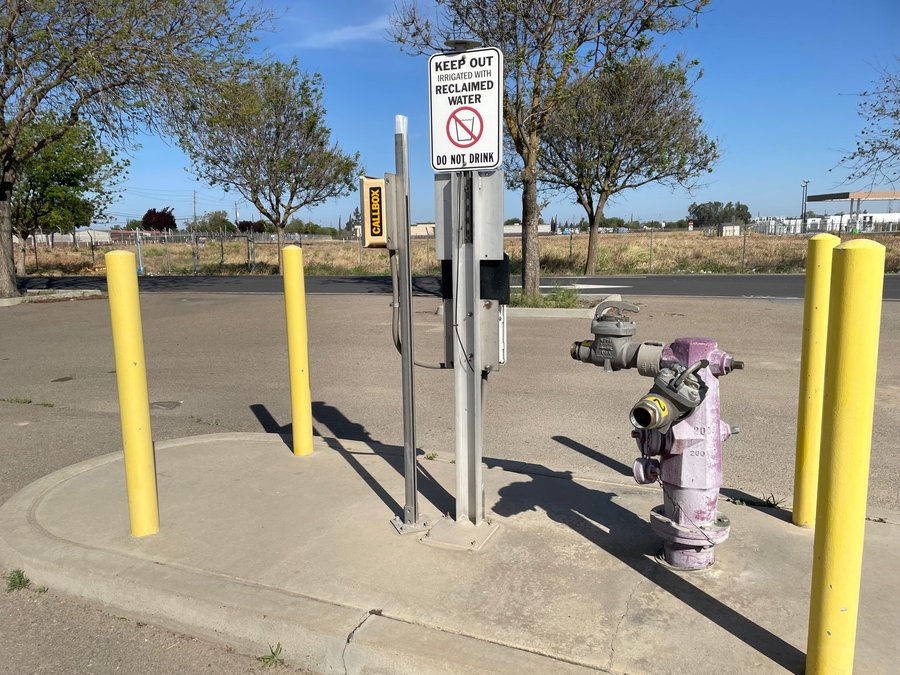
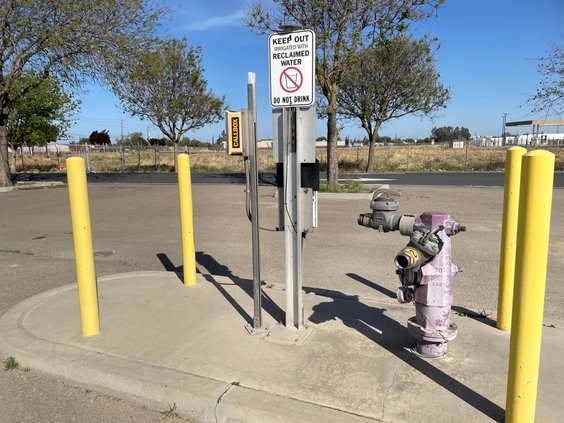
Other efforts include a mandate for development projects within a mile of the wastewater treatment plant or those 20 acres or larger regardless of where they are in the city to use recycled wastewater for dust control.
The cost of additional travel time and fuel to load water trucks with recycled water at the treatment plant is offset by the fact developers do not have to pay for the recycled water. Usually, the developers tap into fire hydrants to fill water trucks and pay based on metered use.
Not only does the use of fire hydrant water consume expensive drinking water but it also accelerates the drain on the city’s ground water supplies. At the same time avoiding using potable water for dust control, it helps conserve the city’s surface water treatment supplies that are expected to be tight this year as well due to the drought extending into its third year.
The city has also switched several wells that no longer met standards for drinking such as one at Lincoln Park to be used exclusively to irrigate parks. In a previous drought the city also sunk “higher” wells that tap into water not suitable for drinking that is closer to the surface at several city parks. In doing so it not only reduced the use of drinking water to irrigate several parks but helped to improve overall water pressure in Manteca.
Grass replacement
incentives, rebates
for washing machines
Some 197,479 square feet of grass — almost five acres — as of July 1, 2021 have been converted to more water efficient and lower maintenance landscaping through the City of Manteca’s turf replacement incentive program.
It started in the middle of the last drought with 150,772 square feet of grass replaced in the first two years it was offered — 2015 and 2016 — as stricter water conversation measures went into effect. There have been 272 homeowners and commercial properties that have participated in the program as of July 1, 2021.
With Manteca and the rest of the San Joaquin County as well as the Sacramento Valley now in severe drought along with 93 percent of California, city officials are hoping more people will take advantage of the program.
The city’s lawn-to-garden rebate program is designed to remove high water consuming turf and replacing it with water-efficient landscaping suited to the semi-arid climate of the Northern San Joaquin Valley. It pays an incentive of $1 per square foot up to 650 feet for residential and 5,000 square feet for commercial to help offset conversion costs.
Irrigating lawns is by far the No. 1 single use of water in Manteca. It is also believed to be the most inefficient and biggest waste of water as well due to run-off into gutters as well as people watering when they are not supposed to between noon and 6 p.m. when evaporation is at its highest and grass is less likely to absorb water due to the heat.
Part of the waste is also attributed to people watering grass during the cold of winter when lawn types such as Bermuda grass go dormant and turn yellow on the assumption the grass needs water to stay alive. Another factor in waste are automatic sprinkler systems that residents don’t override when there has been adequate rain that day or several days prior to meet the water needs of grass.
Information and applications on the turf replacement program can be found on the city’s website (www.ci.manteca.ca.us) by going to Public Works, clicking on Water Division, and scrolling down to Water Conservation.
A city requirement that sets a mandatory cap on the turf areas allowed in the front yard of new homes built — a mandate that is not connected with the turf replacement program for existing homes and businesses — was launched in mid-2015 has seen a surge in the number of homebuyers opting for no grass in front yards at all.
A windshield survey of 30 newer homes built in the past year in south Manteca showed that almost 3 out of every 5 buyers are eschewing all grass in front yards.
The city mandate dictates no more than 25 percent of the required landscape area for front yards can be in grass. The same goes for side yards on corner lots.
The 25 percent cap for grass in front yard landscaping doesn’t mean that it has to be planted in any turf. The ordnance simply states that the 35 percent area of the front yard that is required to be landscaped must use living plant material.
Manteca’s rules stop short of Las Vegas. That city bans any lawn front being planted the front yard of new homes. Las Vegas also restricts grass in side and rear yards to either 50 percent of the area or 100 square feet — whichever is greater — with the max being 5,000 square feet. Grass is not allowed in nonresidential areas unless by special permit. The lone exceptions to that restriction are parks, schools, and cemeteries.
The city’s $100 rebate for buying water efficient washing machines applies to those purchased at Manteca-based businesses that meet the city’s criteria. Appliance sellers have details.
The $75 rebate for toilets ate for high efficiency dual flush toilets.
Details on both rebates can be found on the city’s website.
To contact Dennis Wyatt, email dwyatt@mantecabulletin.com