It’s a rumor that isn’t far-fetched.
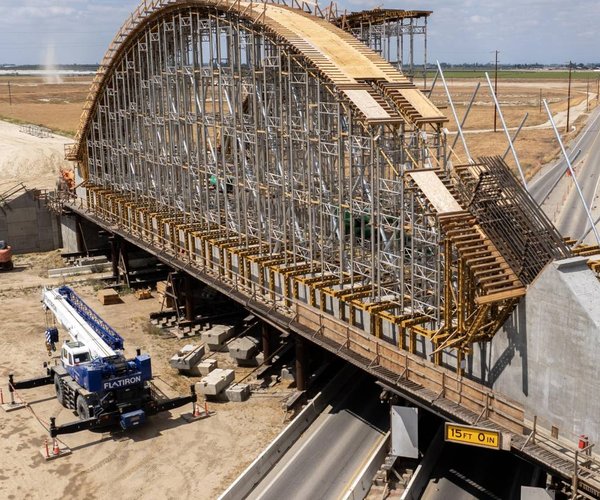
The California High Speed Rail Commission could literally sink the San Joaquin Valley and divert water from the region’s most essential sector — and by far its biggest employer — agriculture.
The governing body of the financial black hole that high speed rail has become, is finally getting a healthy dose of reality.
Not only does the state lack the funding to complete the first segment from Merced to Bakersfield, but they have no idea where the money will come from to get from San Francisco to Los Angeles that was supposed to be up and running by 2028.
The LA to SF connection was supposed to cost $33 billion. Now it’s pegged at a bare minimum of $103 billion with the overriding expectation it will climb even higher.
But that isn’t the subject of the commission’s latest concern.
There was a promise high speed rail — once it was operating —would pay its own way.
They now admit even a $150 one-way ticket from SF to LA is not going to generate nearly enough revenue to cover operating and maintenance costs.
As such, the commission is exploring new “revenue streams.”
And what better way to generate more money to run high speed rail — once proclaimed by Gov. Gavin Newsom as essentially the magic elixir to lift California’s poorest region out of poverty — than to undermine its No. 1 source of prosperity, agriculture.
The trial balloon being launched is to line the high speed rail route through the San Joaquin Valley region with data centers.
The assumption, of course, is that the rail project will have excess clean electricity as well as the fiber optic capabilities that will lure data centers that are essential to keep the tech sector humming in the much wealthier California coastal cities.
There’s just one little detail.
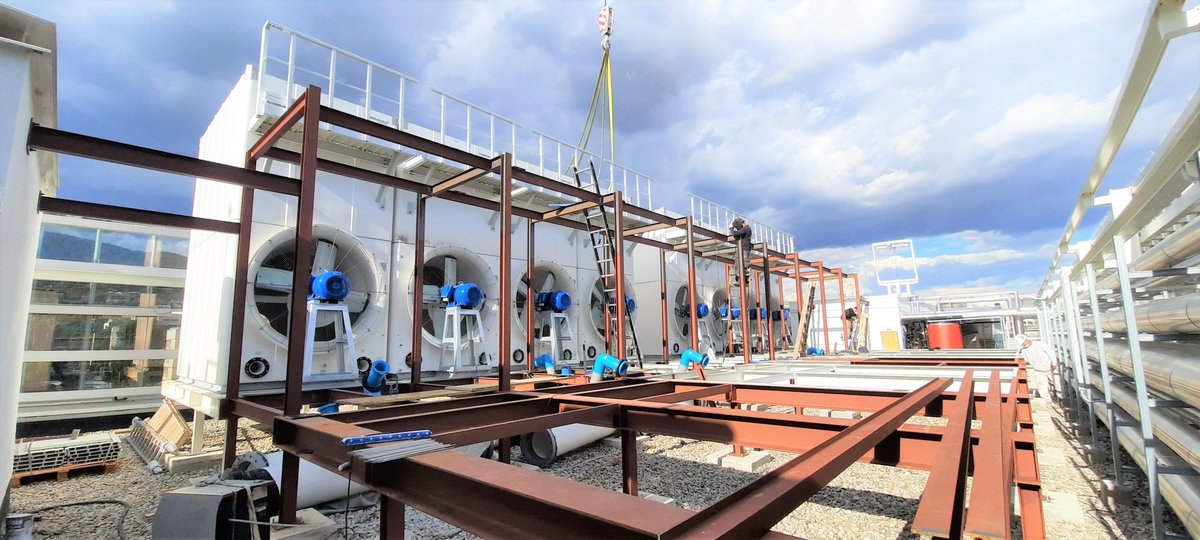
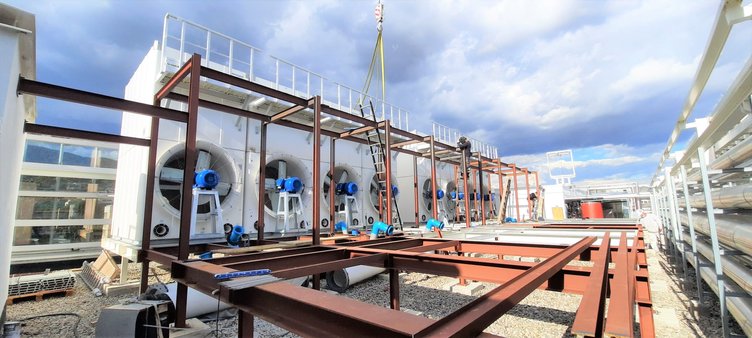
Data centers need an inordinate amount of water for cooling.
A medium-sized data center needs up to 110 million gallons of water per year for cooling purposes. That is equal to the annual water consumption of 1,000 households.
Larger data centers use up to 5 million gallons of water daily for cooing purposes. Over the course of a year, that’s the equivalent water use for a city of between 10,000 and 50,000 people.
The growing thirst of artificial intelligence enterprise is staggering.
A study by the University of California, Riverside pegs the cooling demand for water generated by a simple 100-word AI prompt will fill at least a 16-ounce bottle.
This is not a water demand that would play out well in the San Joaquin Valley.
Roughly half of the San Joaquin Valley, some 5,200 square feet, had experienced at least a foot of subsidence.
The land has dropped up to 25 feet in the worst impacted areas of the valley.
Drop the mega straws of data centers up and down the rail corridor into local water supplies and what could possibly go wrong?
As usual, the bureaucrats and embedded political power structures that are running California have no inkling — nor do they care — what others in Sacramento are doing.
It explains why no one at the rail commission is making sure the data center idea is a non-starter.
The idea of data center water hogs being a perfect fit for a business plan conveniently ignores the state edict that all California water basins by 2045 cannot have more water pumped from them than is replaced in a given year.
And nowhere is the 2045 edict expected to be as difficult to attain as in the San Joaquin Valley.
Then there is another state edict to deal with climate change.
Weather patterns are changing.
That, in turn, impacts surface water supplies.
The San Joaquin Valley already relies on importing immense amounts of water from out of its natural basin in order to support farming, cities, and addressing environmental needs.
So why not drop the equivalent of a nuclear bomb into California water politics?
What could possibly happen?
There clearly is no set course in place for how high speed rail operations will be funded once it is completed.
That said, the overriding importance of water to California and how it has been used, stored, replenished, and drastically overcommitted is such a monumental issue and overriding concern the rail commission needs to declare data centers as an idea that they won’t allow to see the light of day sooner rather than later.
But that won’t happen.
High speed rail has been elevated to sacred cow status among some quarters in the green movement and the techie world.
It must be built and operated as envisioned come hell or high water to “save” the San Joaquin Valley even if it means destroying it in order to do so.